

 English
  中文简体
中文简体 
ANGSHEN
ANGSHEN
ANGSHEN
ANGSHEN
ANGSHEN
ANGSHEN
ANGSHEN
ANGSHEN
ANGSHEN
ANGSHEN
ANGSHEN
ANGSHEN
ANGSHEN
ANGSHEN
ANGSHEN
ANGSHEN

Which Aluminum Alloying Additives Tablets Are Right for Your Melt Shop
Content
- 1 What Aluminum Alloying Additives Tablets Are and How They Work
- 2 Why Buyers Choose a China Aluminum Alloying Additives Tablets Manufacturer
- 3 How to Choose the Right Aluminum Alloying Tablets for a Melt Shop
- 4 Aluminum Alloying Additives Tablets Product Series
- 5 Which Tablet Fits Best: Manganese vs Titanium Tablets for Aluminum Alloying
- 6 Scenario Guide for Aluminum Alloying Additives Tablets
- 7 Custom and Wholesale Aluminum Alloying Additives Tablets
- 8 Partnering with a Trusted China Aluminum Alloying Additives Tablets Manufacturer
The direct answer for most melt shops is this: pick the single element tablet that matches the target alloy correction, keep the melt within 720 to 760 degrees Celsius, and use the standard 500 gram block unless the feeder line calls for a Custom Aluminum Alloying Additives Tablets weight. Aluminum Alloying Tablets exist to solve one recurring plant floor problem, getting a precise dose of manganese, iron, chromium, titanium, silicon, copper or zirconium into molten aluminum without the dust loss, slow melt and inconsistent recovery that come with raw powder or lump metal. The sections below explain what these tablets are, why buyers keep reordering from a China Aluminum Alloying Additives Tablets Manufacturer, how to pick the right grade, and which element tablet fits which job.
500gStandard tablet weight, custom weights available
720-760CRecommended melt temperature window
90-95%Element recovery rate, standard to premium grade
7Element families: Mn, Fe, Cr, Ti, Si, Cu, Zr
What Aluminum Alloying Additives Tablets Are and How They Work
Aluminum Alloying Additives Tablets are compacted, tablet shaped composition adjustment materials made by uniformly mixing pure metal powder with flux or aluminum powder in a fixed ratio, then pressing the mixture into a dense block. Instead of dropping loose powder or a raw metal chunk into the furnace, an operator drops in a solid, weighed Alloying Additive Tablets unit that dissolves at a known rate. This tablet format is what lets a China Aluminum Master Alloys and tablets supplier guarantee a consistent chemical result batch after batch, because the dose, the melt point and the recovery behavior are all fixed at the pressing stage rather than left to guesswork on the shop floor.
Each tablet is built around one primary element. Manganese Tablets adjust Mn content for 3000 series strength and corrosion resistance. Iron Tablets, offered in Fe75 and Fe80 grades, correct iron deficiency in cast and wrought alloys. Chromium Tablets in Cr75 and Cr80 grades raise corrosion and wear resistance. Titanium Tablets in Ti75 and Ti80 grades support grain refinement and fatigue performance. Fusible Silicon Tablets adjust silicon content for Al-Si casting alloys. Copper Tablets in Cu75 and Cu80 grades control copper for 2000, 6000 and 7000 series alloys. Zirconium Tablets in Zr75 and Zr80 grades deliver grain refinement and high temperature strength for aerospace grade alloys.
Why Buyers Choose a China Aluminum Alloying Additives Tablets Manufacturer
One Aluminum Alloying Additives Tablets Factory Covers the Full Element Set
Sourcing manganese, iron, chromium, titanium, silicon, copper and zirconium tablets from a single China Aluminum Alloying Additives Tablets Factory removes the coordination cost of managing separate vendors for each element. It also means one set of certificates of analysis, one shipping schedule and one technical contact for troubleshooting recovery rate questions.
Recovery Rate and Melt Compatibility
Across the tablet range, element recovery rate is consistently 90 percent or higher, reaching 95 percent under optimized conditions, and every tablet is formulated to dissolve cleanly within the common 720 to 760 degree Celsius aluminum melt window used across cast house, extrusion billet and rolling mill operations. This means a Wholesale Aluminum Alloying Additives Tablets Manufacturer order can be dropped into an existing furnace program without retraining operators or adjusting standard operating temperature.
Operational note: Because tablets are solid, moisture resistant and dust free, they reduce workshop contamination compared with loose powder additions, which also improves weighing accuracy when a plant places a Wholesale Aluminum Alloying Additives Tablets Factory order in bulk.
How to Choose the Right Aluminum Alloying Tablets for a Melt Shop
Selection comes down to three checks: which element the target alloy specification is short on, how much correction is needed per heat, and whether the feeder setup calls for the standard 500 gram block or a Custom Aluminum Alloying Additives Tablets weight. The table below maps common alloy correction goals to the matching tablet grade.
| Correction Goal | Tablet Type | Grade Options | Typical Alloy Family |
| Strength and corrosion resistance | Manganese Tablets for Aluminum Alloying | Standard Mn grade | 3000 series sheet and profile |
| Iron content correction | Iron Tablets for Aluminum Alloying | Fe75, Fe80 | Cast, wrought and recycled alloys |
| Wear and corrosion resistance | Chromium Tablets for Aluminum Alloying | Cr75, Cr80 | Automotive wheels, rail profiles |
| Grain refinement and fatigue life | Titanium Tablets for Aluminum Alloying | Ti75, Ti80 | Aerospace, automotive wheel alloys |
| Casting fluidity and Si balance | Fusible Silicon Tablets for Aluminum Alloying | Standard Si grade | A356, ZL102, ADC12 casting alloys |
| Copper content for strength alloys | Copper Tablets for Aluminum Alloying | Cu75, Cu80 | 2000, 6000, 7000 series |
| High temperature strength | Zirconium Tablets for Aluminum Alloying | Zr75, Zr80 | Aerospace, rail, marine alloys |
Aluminum Alloying Additives Tablets Product Series
The full Aluminum Alloying Tablets range is shown below. Each card links to complete grade information, recovery rate data and recommended use cases for that element tablet.
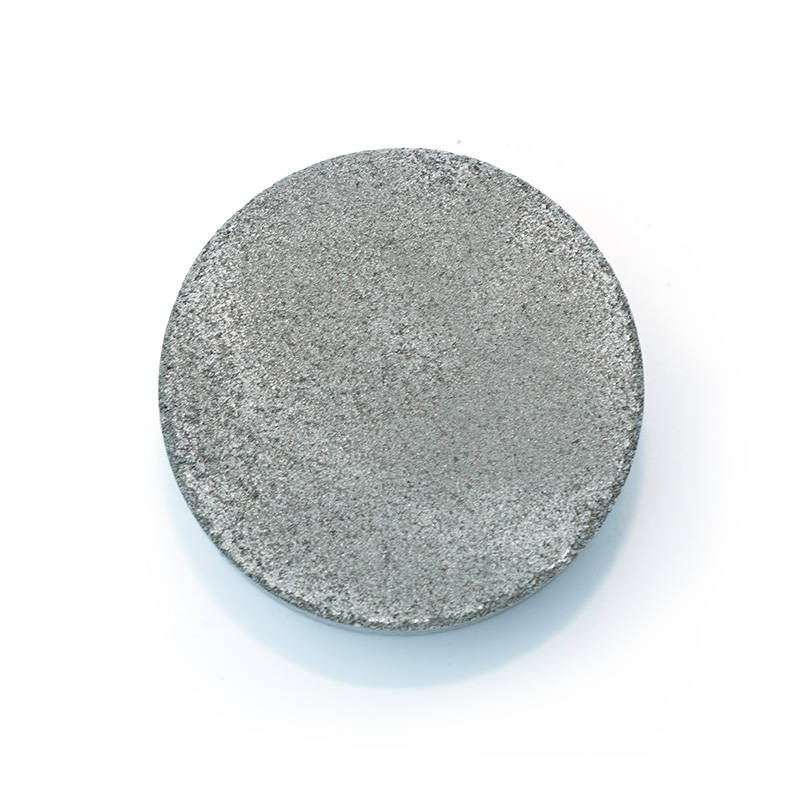
Manganese Tablets for Aluminum Alloying Strength and Corrosion Resistance
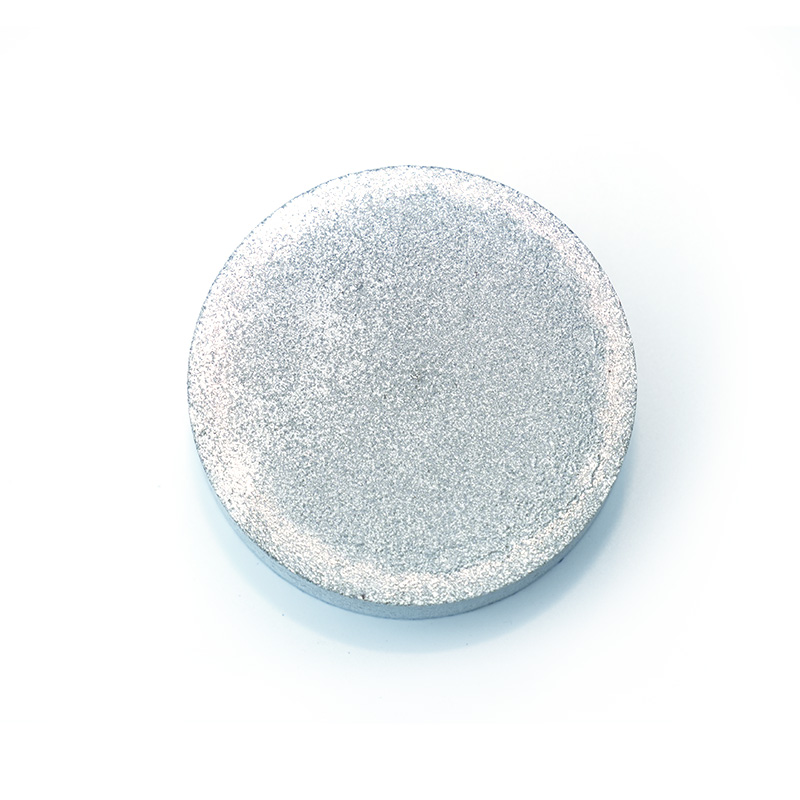
Iron Tablets for Aluminum Alloying Composition Correction
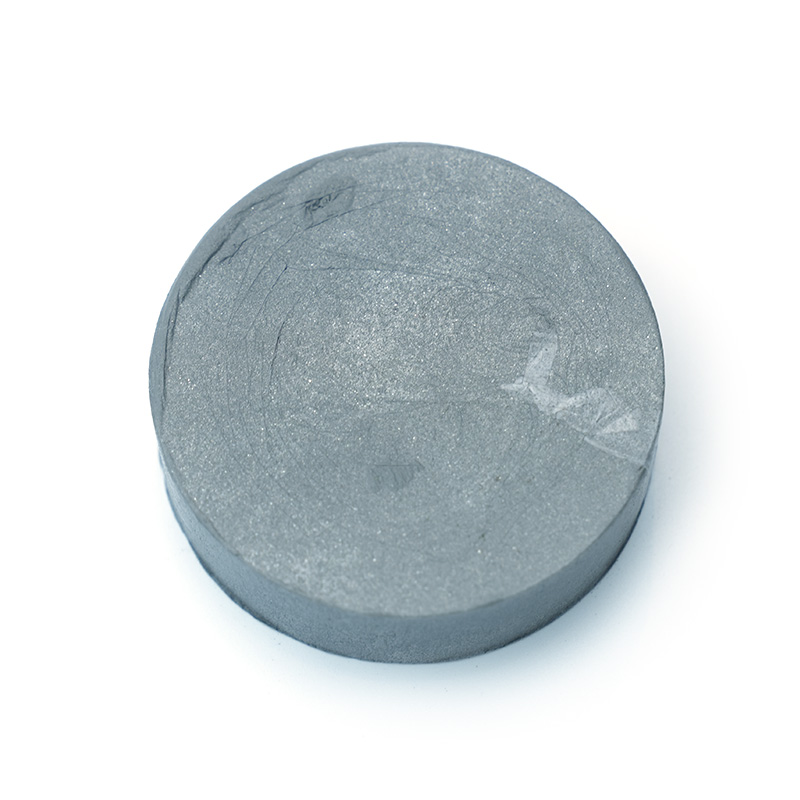
Chromium Tablets for Aluminum Alloying Wear Resistance
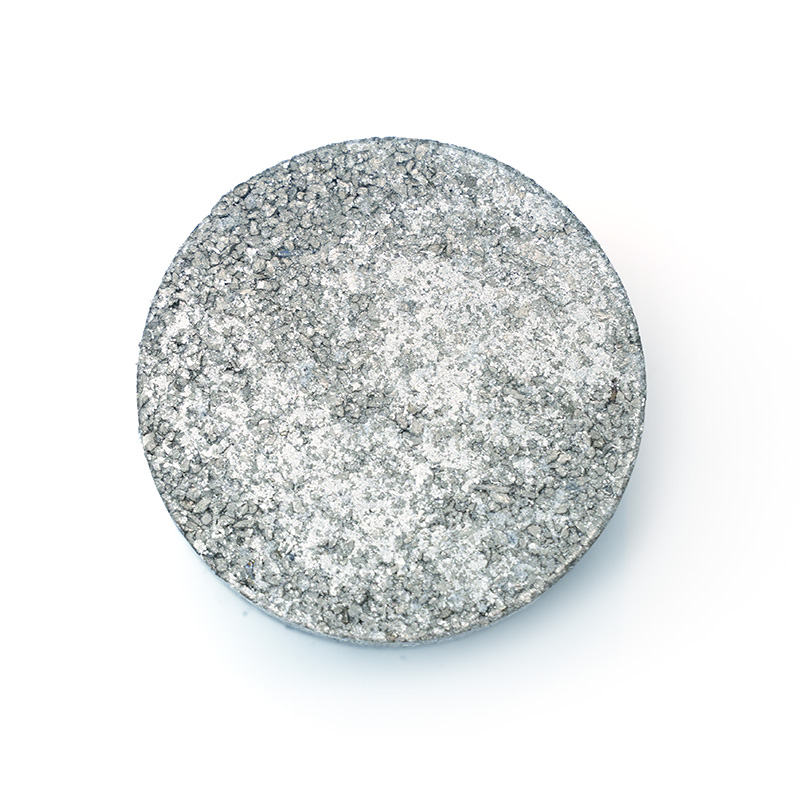
Titanium Tablets for Aluminum Alloying Grain Refinement
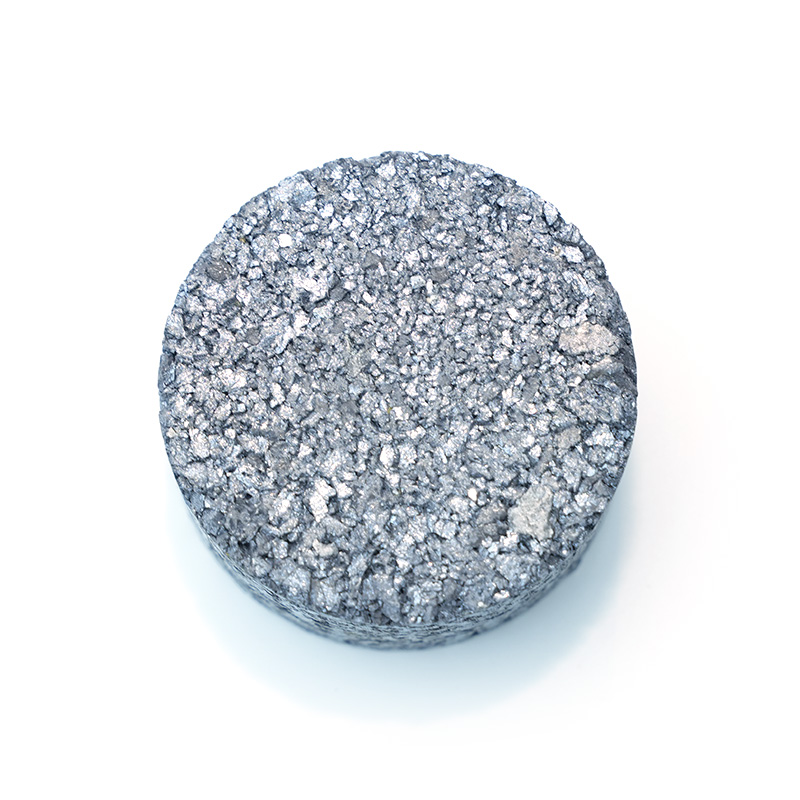
Fusible Silicon Tablets for Aluminum Alloying Casting Performance
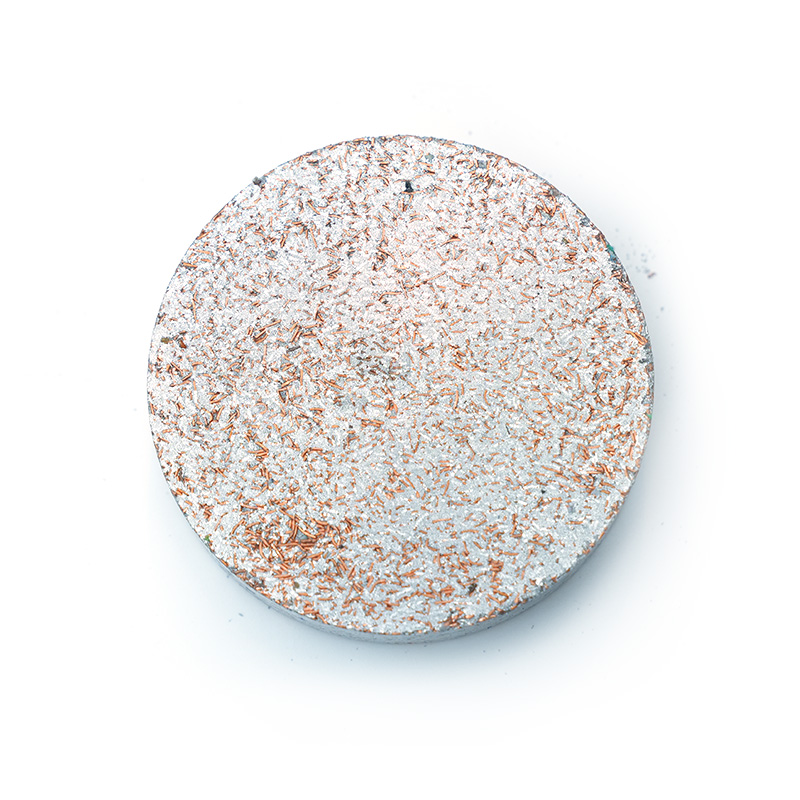
Copper Tablets for Aluminum Alloying Strength Alloys
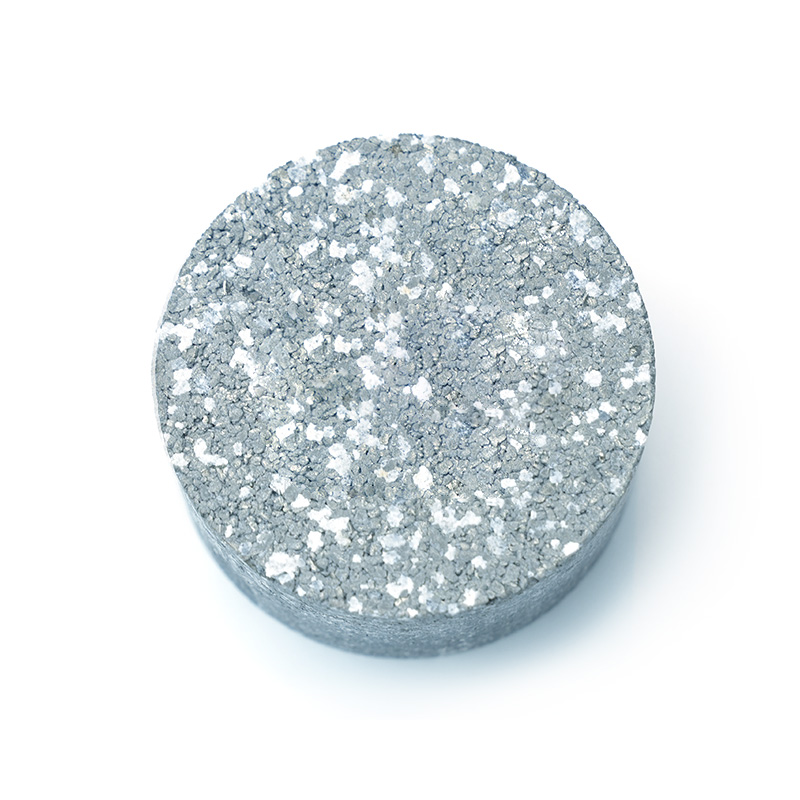
Zirconium Tablets for Aluminum Alloying High Temperature Strength
Which Tablet Fits Best: Manganese vs Titanium Tablets for Aluminum Alloying
These two are frequently requested together because they solve different goals. A China Manganese Tablets for Aluminum Alloying Supplier positions manganese tablets around strength and corrosion resistance in 3000 series alloys, while titanium tablets are chosen for grain refinement and fatigue performance in wrought and cast alloys used across aerospace and automotive programs.
| Comparison Point | Manganese Tablets for Aluminum Alloying | Titanium Tablets for Aluminum Alloying |
| Primary role | Strength and corrosion resistance | Grain refinement, fatigue resistance |
| Standard weight | 500 grams, custom weights available | 500 grams, custom weights available |
| Melt temperature | 720 to 760 degrees Celsius | 720 to 760 degrees Celsius |
| Recovery rate | 90 percent minimum, up to 95 percent | 90 percent minimum, up to 95 percent |
| Typical alloy family | 3000 series sheet, foil, extruded profile | Aerospace alloys, automotive wheels, rail profiles |
Scenario Guide for Aluminum Alloying Additives Tablets
Cast House Composition Correction
Iron and copper tablets are commonly used at mid to late smelting stages to correct compositional drift before a heat is poured, since both dissolve quickly enough within the 720 to 760 degree window to be added late without extending furnace hold time.
Automotive Wheel and Structural Alloys
Chromium and titanium tablets support the corrosion resistance, surface hardness and fatigue performance targets common to automotive wheel and engine component specifications, often used together within one heat.
Aerospace and Rail Alloys
Zirconium tablets are favored where high temperature strength and recrystallization resistance are required, complementing titanium tablets in alloy systems with strict grain size tolerance.
Recycled Aluminum Correction
Manganese, silicon and copper tablets are used to restore target composition in scrap based melts where repeated remelting has diluted key elements, improving batch to batch consistency for recycled aluminum producers.
Custom and Wholesale Aluminum Alloying Additives Tablets
Beyond the standard 500 gram block, a capable Aluminum Alloying Additives Tablets Factory can press Custom Aluminum Alloying Additives Tablets in non standard weights to match automated feeder line requirements, or supply mixed element ratios for a specific in house alloy recipe. Wholesale Aluminum Alloying Additives Tablets orders typically include a certificate of analysis confirming element content and recovery rate for each production batch.
Buying tip: When comparing a Wholesale Aluminum Alloying Additives Tablets Manufacturer against a Wholesale Aluminum Alloying Additives Tablets Factory offer, confirm the minimum recovery rate in writing and request a sample batch before committing to a full container order, since recovery rate variance directly affects how much material a plant needs per heat.
Partnering with a Trusted China Aluminum Alloying Additives Tablets Manufacturer
Nantong Angshen Metal Materials Co., Ltd. is a high tech enterprise manufacturing Aluminum Master Alloys, Metal Tablets and Fluxes from its production base in Nantong, Jiangsu, China, supplying automotive lightweighting, high speed rail, aerospace, shipbuilding, power electronics and industrial machinery customers. For technical data sheets, custom tablet weights or wholesale order support, buyers can reach the team directly through the product pages linked above.
PREV:How to Choose Alloying Additive Tablets for Aluminum Melting: A Practical GuideNEXT:Flux for Aluminum, Copper & Zinc: How to Match the Right Flux to Every Melting Stage
Interested in cooperation or have questions?

- Quick Link
- HOME
- PRODUCTS
- NEWS
- SOLUTION
- CONTACT US
- Contact information
-
-
wmfan0222@163.com

-
+86-13167461999

+86-18252891222(WhatsApp) -
+86-0513-88275999

-
No.19 HeshunHaian Economic Development Zone, Nantong, Jiangsu, China

-

