Company Profile
  • 0

    Plant Area

  • 0

    Established In

  • 0+

    Exporting Regions

View About Angshen >>

Nantong Angshen Metal Materials Co., Ltd.

is a high-tech enterprise specializing in the R&D, manufacturing, and sales of Aluminum Master Alloys, Metal Tablets and Fluxes. Having evolved from applications in traditional non-ferrous metal smelting, our products serve as key materials for advanced manufacturing, from automotive lightweighting, high-speed rail, aerospace and shipbuilding, to power electronics, pharmaceutical packaging and industrial machinery.
Nantong Angshen Metal Materials Co., Ltd.
Our Product Matrix

Specialized in auxiliary materials for the smelting of non-ferrous metals (aluminum, zinc, copper)

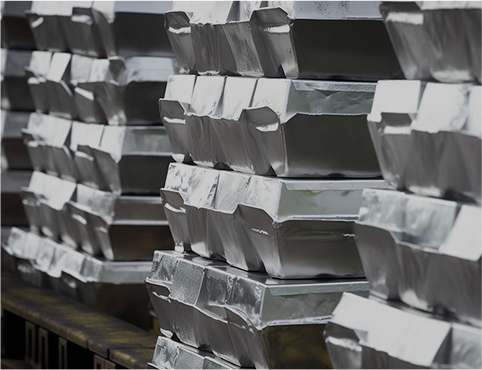
  • Aluminum Master Alloys
    Aluminum Master Alloys
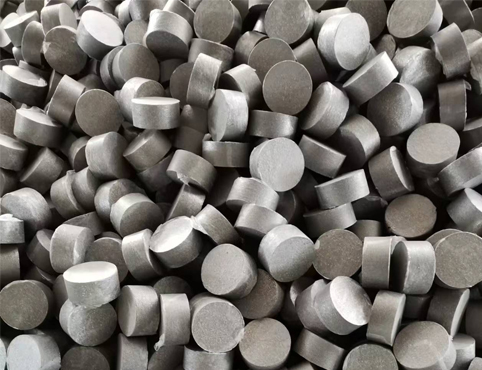
  • Aluminum Alloying Additives Tablets
    Aluminum Alloying Additives Tablets
  • Flux for Aluminum/Copper/Zinc
    Flux for Aluminum/Copper/Zinc
Why Choose Angshen Metal
Based on Strength, Focus on Service, Build a Global Cooperation Benchmark
  • / 01
    R&D Strength

    12 invention patents and industry-university-research cooperation, continuous innovation meets high-end manufacturing material upgrading needs.

  • / 02
    Customization

    Full-dimensional customization of composition, specification and shape for special industry process requirements.

  • / 03
    Quality Assurance

    Certified by dual quality systems, full-process inspection and traceability ensure stable product quality.

  • / 04
    Industry Experience

    Nearly 30 years of experience in non-ferrous metals, accurately grasping industry product needs and process pain points.

Application Fields
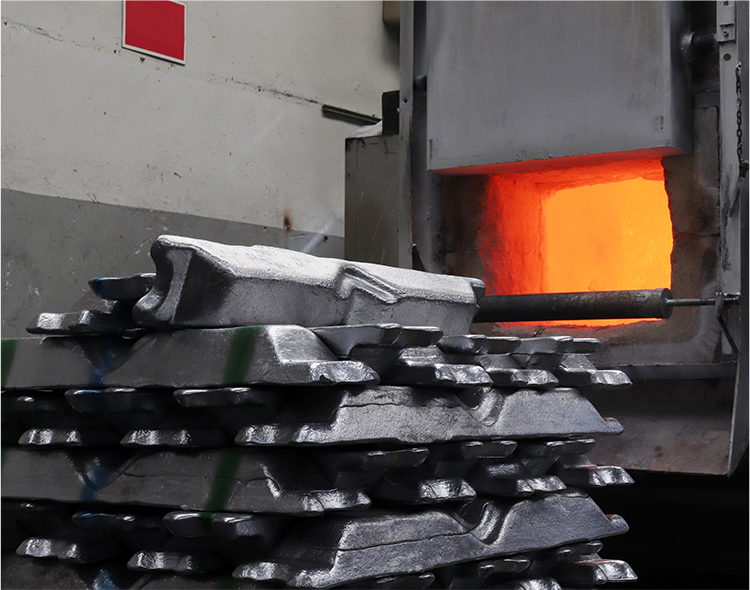
  • Aluminum Processing
    Aluminum Processing
    Aluminum Processing
    Products achieve aluminum alloy grain refinement and precise composition control, improving the performance and quality of aluminum processing finished products.

  • Power Electronics
    Power Electronics
    Power Electronics
    Alloy modification for heat sinks and enclosures
  • Auto Parts
    Auto Parts
    Auto Parts
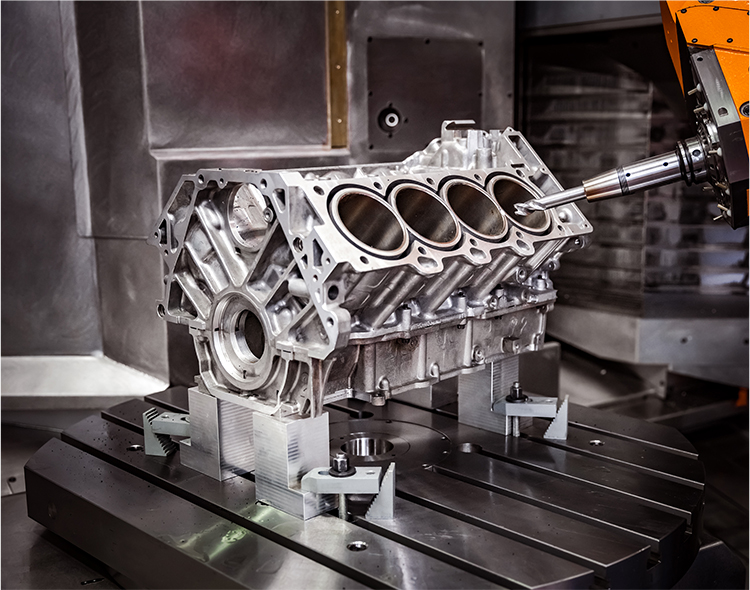
    High-performance Al alloys for NEVs, engine blocks, chassis components
  • Aerospace
    Aerospace
    Aerospace
    Aviation-grade master alloys for structural components
News & Updates
  • 06/18 2026
    Refining Flux and Cover Flux for Copper Alloys: What They Do and Why They Matter
    As the global demand for high-performance copper alloys continues to grow across industries such as automotive electrification, renewable energy, telecommunications, and advanced manufacturing, the role of metallurgical fluxes in ensuring melt quality has drawn increasing attention. Among the critical auxiliary materials in copper alloy production, refining flux and cover flux serve distinct yet complementary functions. This article examines their working principles, typical compositional systems, application considerations, and the evolving landscape driven by environmental and efficiency imperatives. The Role of Flux in Copper Alloy Melting Copper alloys — including brasses, bronzes, copper-nickels, and nickel-silver alloys — are susceptible to oxidation and gas absorption during melting. Molten copper dissolves oxygen readily, forming cuprous oxide (Cu₂O), which can embrittle the alloy and lead to casting defects. Hydrogen pickup from moisture or hydrocarbon contaminants further compounds the issue, resulting in porosity in the solidified product. A well-designed flux system addresses these challenges through two primary functions: Covering: A molten or semi-molten layer that floats on the melt surface, physically shielding the metal from furnace atmosphere and reducing oxidation and gas absorption. Refining: Chemical reactions that remove dissolved gases, oxide inclusions, and other non-metallic impurities from the melt. In practice, many commercial products combine both functions into a single formulation, though the balance depends on the alloy type, melting furnace configuration, and quality requirements of the final product. Compositional Systems and Their Mechanisms Flux formulations for copper alloys are typically based on inorganic salt systems. While proprietary variations are common across suppliers, most formulations draw from a few established chemical families: Borate-Based Systems Sodium tetraborate (borax) and related borate compounds are widely used as cover fluxes for copper alloys. They form a glassy, fluid layer on the melt surface that effectively limits oxygen diffusion. Borate-based fluxes also exhibit moderate refining capability through the absorption of oxide inclusions into the slag phase. These formulations are generally compatible with brasses and tin bronzes, though their effectiveness diminishes at higher melting temperatures. Fluoride-Containing Systems Cryolite (Na₃AlF₆), fluorspar (CaF₂), and other fluoride compounds are incorporated into fluxes to enhance the removal of aluminum oxide (Al₂O₃) and silicon oxide (SiO₂) inclusions. This makes fluoride-containing fluxes particularly useful for alloys that contain aluminum, silicon, or other strong oxide formers — such as aluminum bronzes and silicon bronzes. The fluoride components lower the surface tension between the molten metal and the oxide inclusions, facilitating their separation and flotation. Chloride-Based and Mixed Halide Systems Chloride salts — including sodium chloride, potassium chloride, and magnesium chloride — are commonly employed as components in refining fluxes. These salts react with dissolved oxides and sulfides to form volatile or slag-forming compounds that can be removed from the melt. Eutectic mixtures of chlorides and fluorides are often designed to achieve lower melting points and improved fluidity, allowing better melt coverage at reduced working temperatures. Specialty Formulations Some flux products incorporate proprietary deoxidizing agents such as magnesium, calcium, lithium, or rare-earth elements in controlled quantities. These reactive components serve to chemically reduce residual oxides in the melt, producing fine dispersions of refractory oxides that can be absorbed by the slag layer. Such formulations are typically reserved for high-purity or oxygen-sensitive applications, such as oxygen-free copper alloys for electronic components. Application Strategies by Alloy Family The selection of a refining or cover flux depends heavily on the specific alloy composition and the dominant melt-quality challenges: Brasses (Cu-Zn): Zinc vaporization during melting can lead to composition drift and environmental concerns. Cover fluxes with low-melting-point borate or mixed halide systems to help reduce zinc loss by forming a sealing layer. Refining is generally less critical for brasses unless strict inclusion limits are imposed. Tin Bronzes and Gunmetals: These alloys are prone to tin oxide and lead oxide inclusions. Fluoride-containing fluxes are often chosen for their ability to remove these refractory oxides. Covering is also important to minimize tin oxidation at high melt temperatures. Aluminum Bronzes: The strong affinity of aluminum for oxygen creates tenacious oxide films that can become entrapped in the melt. Fluxes with high fluoride content are standard, often supplemented with deoxidizing agents. The flux must remain fluid at the alloy's higher melting range (1,040–1,080 °C). Copper-Nickel Alloys: These alloys are less prone to oxide formation but can suffer from hydrogen porosity. Cover fluxes with moisture-resistant properties are used, and inert gas purging (nitrogen or argon) is frequently employed alongside flux treatment for degassing. Beryllium Copper: Due to the toxicity of beryllium oxide dust, flux systems for beryllium copper must also serve as a fume-suppressing cover. Sealed flux layers and specialized refining agents are used to minimize airborne particulate release.
  • 06/17 2026
    Practical Applications of Magnesium Depletion Flux in Aluminum Casting Operations
    The Technical Fundamentals of Magnesium Management Magnesium plays a dual role in aluminum alloy systems. In controlled proportions, it enhances mechanical properties such as strength and strain hardening capacity, forming the basis for widely used 5xxx and 6xxx alloy series. However, during aluminum recycling operations and secondary production processes, magnesium concentrations frequently exceed specification limits. Scrap materials from various sources often contain unpredictable magnesium levels, while even primary aluminum production may encounter composition variations requiring adjustment. The challenge emerges when magnesium concentrations surpass alloy-specific thresholds. Excessive magnesium can alter casting characteristics, affect machinability, and potentially compromise corrosion resistance properties—factors that directly impact the suitability of aluminum for aerospace, automotive, and precision engineering applications. This creates a genuine need for controlled, efficient magnesium removal capabilities within standard melting operations. How Magnesium Depletion Flux Operates Magnesium depletion flux functions through carefully formulated chemical interactions within the molten aluminum environment. These fluxes typically combine chloride-based salt systems with specialized fluoride components, most commonly potassium tetrafluoroaluminate (KAlF₄). When introduced to molten aluminum at temperatures between 710–740°C, the flux powder disperses throughout the melt and selectively reacts with magnesium atoms. The process follows a well-established sequence: finely dispersed flux particles come into contact with magnesium in the liquid aluminum, forming stable magnesium compounds that possess lower density than the base metal. These reaction products gradually rise to the melt surface, where they integrate with the dross layer and can be mechanically removed through standard skimming procedures. This mechanism enables targeted magnesium reduction without significantly affecting other valuable alloying elements. Modern flux formulations have evolved to address both performance and environmental considerations. Advanced products offer reduced fume generation compared to earlier fluoride-based treatments, while maintaining effective magnesium removal rates—typically in the range of 6 kg of flux per 1 kg of magnesium removed. Many formulations additionally provide secondary benefits, including simultaneous calcium removal, degassing assistance, and general melt refining properties. Industrial Applications and Implementation The primary application for magnesium depletion flux appears in secondary aluminum production facilities processing post-consumer and post-industrial scrap. Mixed aluminum scrap streams frequently present highly variable magnesium content, making flux treatment essential for bringing recycled material within specification ranges for standard alloy grades. Foundries producing cast aluminum components also regularly employ these fluxes to correct composition variations and ensure batch-to-batch consistency. Implementation follows established metallurgical practices. Operators introduce the powdered flux into the molten aluminum bath, typically through manual addition or automated injection systems, followed by appropriate holding periods to facilitate complete reaction. Proper temperature control represents a critical parameter, as the chemical reactions proceed most effectively within the recommended thermal window. After the reaction period completes, personnel remove the enriched dross layer before proceeding with casting or further processing operations. The economic benefits extend beyond simple composition control. Effective magnesium depletion enables foundries to utilize a broader range of scrap materials, reducing reliance on expensive primary aluminum. This flexibility enhances material sourcing options and contributes to overall production cost management while maintaining quality standards.
  • 06/16 2026
    Copper Tablets Offer a Simple Route to Precise Alloying in Aluminum Melting Operations
    In the production of aluminum alloys, the addition of alloying elements in controlled and consistent forms is essential to achieving target chemistries while minimizing waste and operational variability. Copper tablets — small, compressed or pre-weighed units of high-purity copper — have become a widely adopted feed material for copper addition in aluminum melting and casting operations. This article reviews the advantages, manufacturing approaches, application methods, and quality considerations associated with copper tablets in the aluminum alloying process. The Role of Copper in Aluminum Alloys Copper is one of the most significant alloying elements in aluminum metallurgy. It improves mechanical strength, machinability, and creep resistance, and it enables precipitation hardening through the formation of Al₂Cu (theta phase) and related intermetallic phases. What Are Copper Tablets? Copper tablets are pre-formed, uniform pieces of copper produced specifically for use as alloying additions in molten aluminum. They differ from general copper scrap or large cathode sheets in several respects: Consistent weight: Tablets are manufactured to a specified weight range, allowing operators to add a known quantity of copper per tablet. Common per-tablet weights range from 5 grams to 200 grams, depending on the application. Controlled geometry: Tablets are designed with a shape and size that facilitates easy handling, counting, and automated feeding. Cylindrical, pillow-shaped, and briquette forms are all common. High and known purity: Most copper tablets for aluminum alloying are produced from electrolytic tough pitch (ETP) copper or oxygen-free copper, with copper content typically above 99.90 percent. Low internal contamination: Unlike copper scrap, tablets are manufactured to minimize oxide content, surface moisture, and tramp elements that could affect melt quality. Manufacturing Routes Copper tablets are produced through two primary manufacturing routes, each with distinct characteristics: Compaction (Briquetting) In this route, copper powder or fine copper granules are compressed under high pressure into tablet form. The resulting tablets have a porous structure that can promote faster dissolution in the melt due to increased surface area. Key factors in compaction include: Particle size distribution of the copper feed Compaction pressure and dwell time Binder selection (if any); some tablet grades use minimal organic binders that burn off during addition Compacted tablets offer cost advantages in production and are well suited to high-volume addition applications where rapid dissolution is beneficial. Cast and Cut Copper is melted and cast into small ingots or rods, which are then cut or stamped into tablet form. Cast tablets are denser and exhibit less porosity than compacted tablets. This route provides: Higher density, reducing the volume needed per addition Lower surface oxide-to-metal ratio, which can improve metal recovery More predictable dissolution behavior for precise chemistry control Cast tablets are generally preferred for applications requiring tight composition windows or where melt temperature and residence time are limited. Advantages in the Foundry The use of copper tablets offers several operational benefits over traditional addition methods such as bulk copper cathode, chopped wire, or granular copper: Dosing accuracy: Pre-weighed tablets allow the furnace operator to add an exact number of units to reach the target copper content, reducing the need for trim additions and re-sampling. Reduced melting time: The small unit size and high surface-area-to-volume ratio of tablets promote faster dissolution compared to large cathode sheets or heavy ingot sections. Lower oxidation loss: Copper exposed to the melt surface can oxidize before dissolution. Tablets, being fully immersed and dissolving quickly, generally exhibit lower oxidation losses compared to less dense addition forms. Inventory simplicity: Standardized tablet weights simplify inventory management. Operators can calculate requirements directly from charge weight and target composition without weighing individual additions. Automation compatibility: Tablets are readily handled by vibratory feeders, conveyor systems, and robotic addition cells, making them suitable for automated melting operations. Application Practices The recommended practice for adding copper tablets to molten aluminum involves several considerations: Addition temperature: Copper tablets are typically added at the furnace or launder after the aluminum base charge is fully molten and at or near the casting temperature (typically 700–760 °C for common foundry alloys). Higher temperatures increase dissolution rate but can accelerate oxidation. Stirring: Mechanical or electromagnetic stirring after addition promotes uniform distribution. Copper has a higher density than aluminum (approximately 8.96 g/cm³ versus 2.70 g/cm³), which causes it to sink to the furnace bottom if not adequately dispersed. Timing: For alloys with reactive elements such as magnesium or zinc, copper tablets should be added early in the alloying sequence to allow sufficient mixing time before the addition of more volatile or reactive elements. Recovery rate: Under typical foundry conditions, copper recovery from properly handled tablets is generally high — recovery rates can exceed 98 percent when addition practices are optimized.
Cooperate with Angshen · Create the Future Together