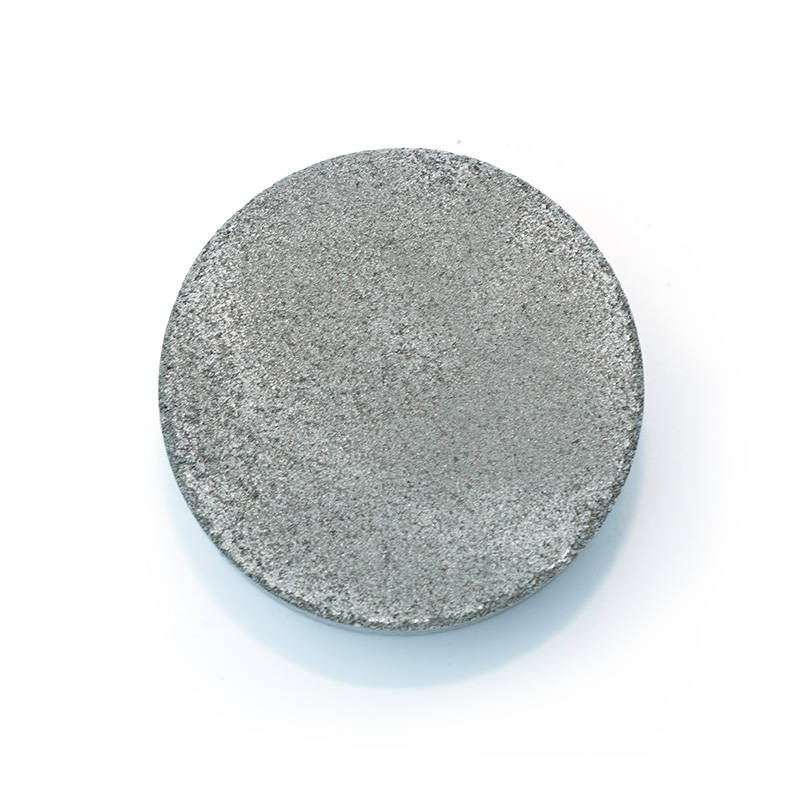
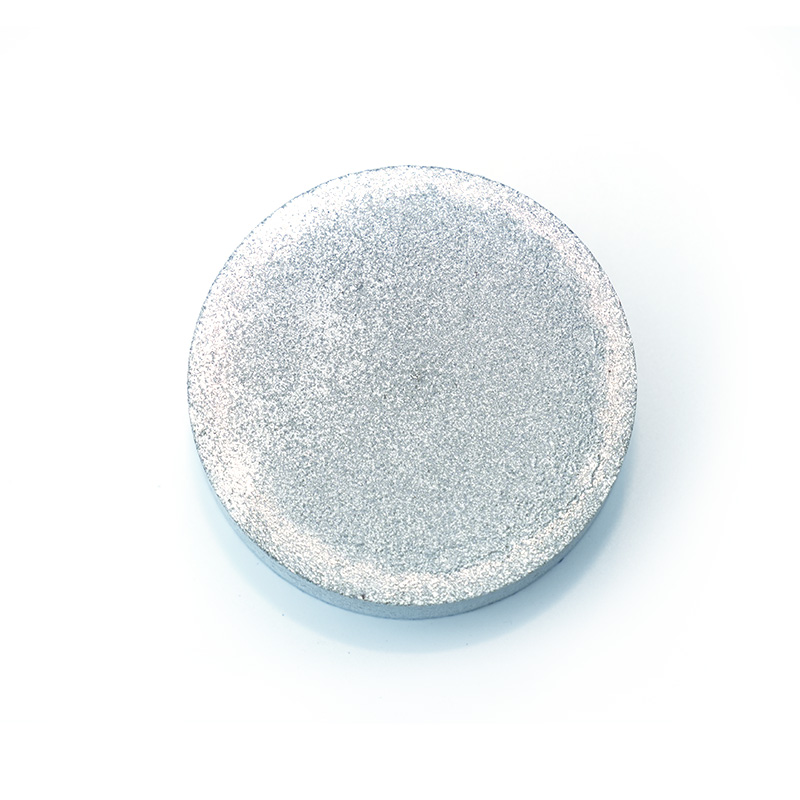
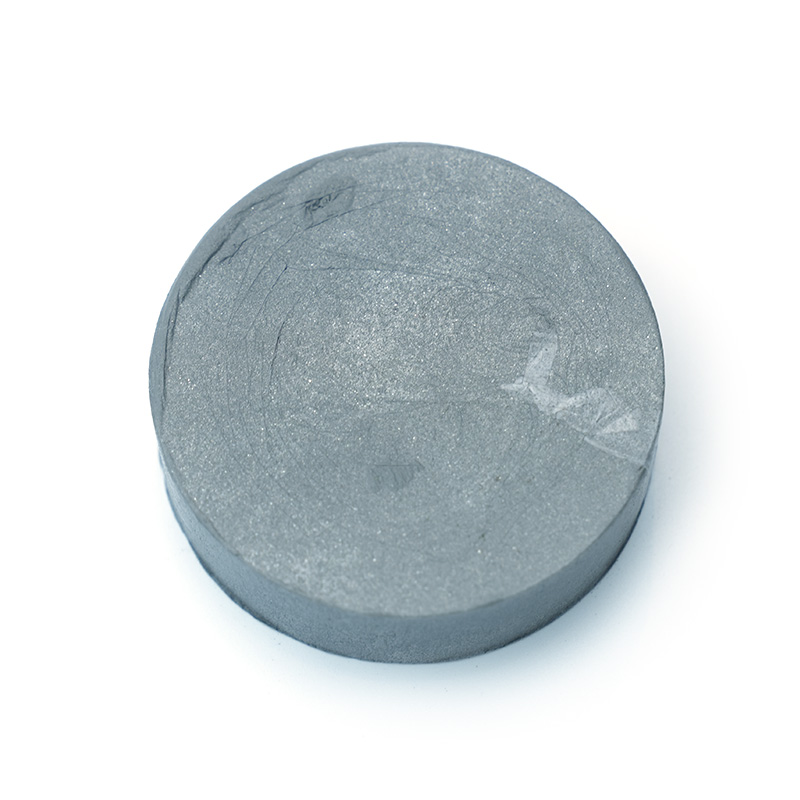
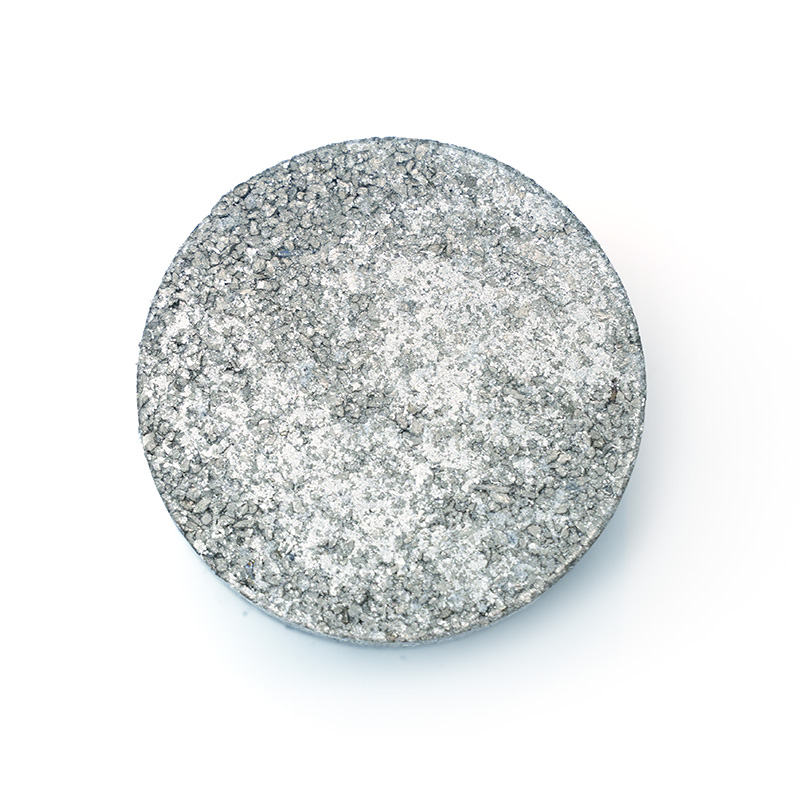
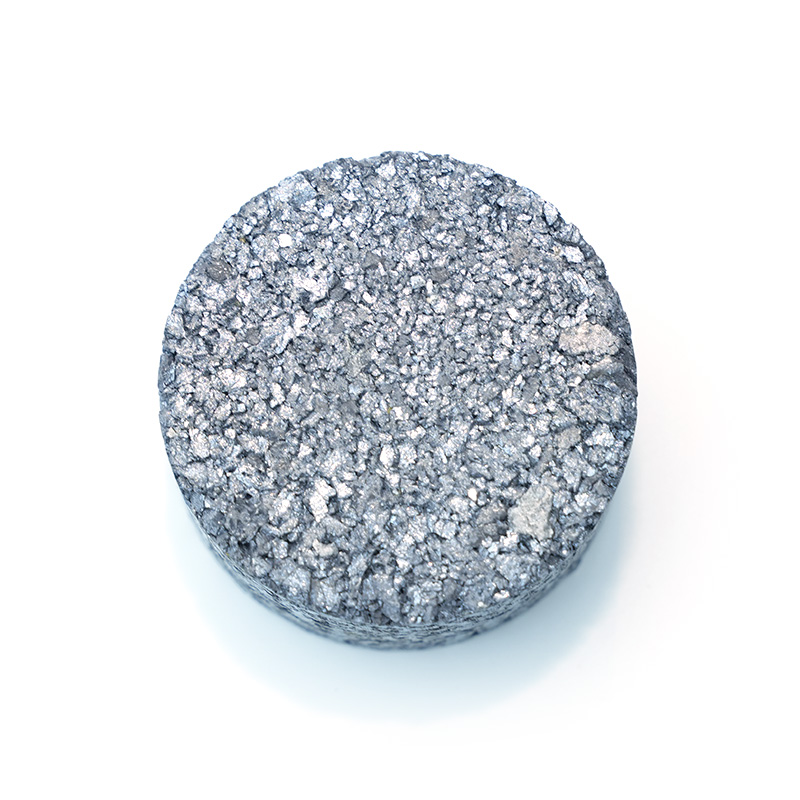
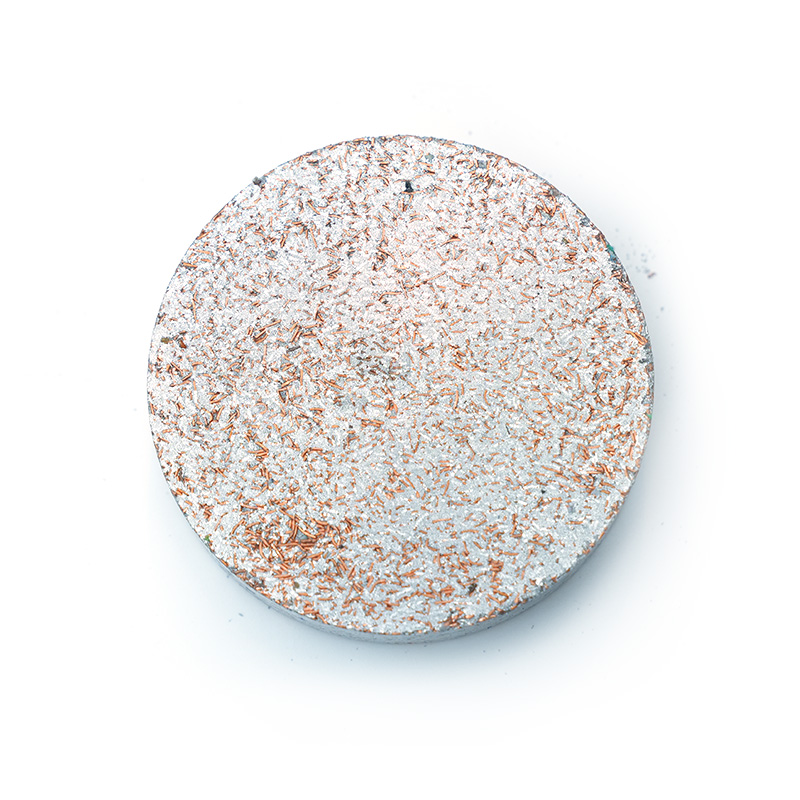
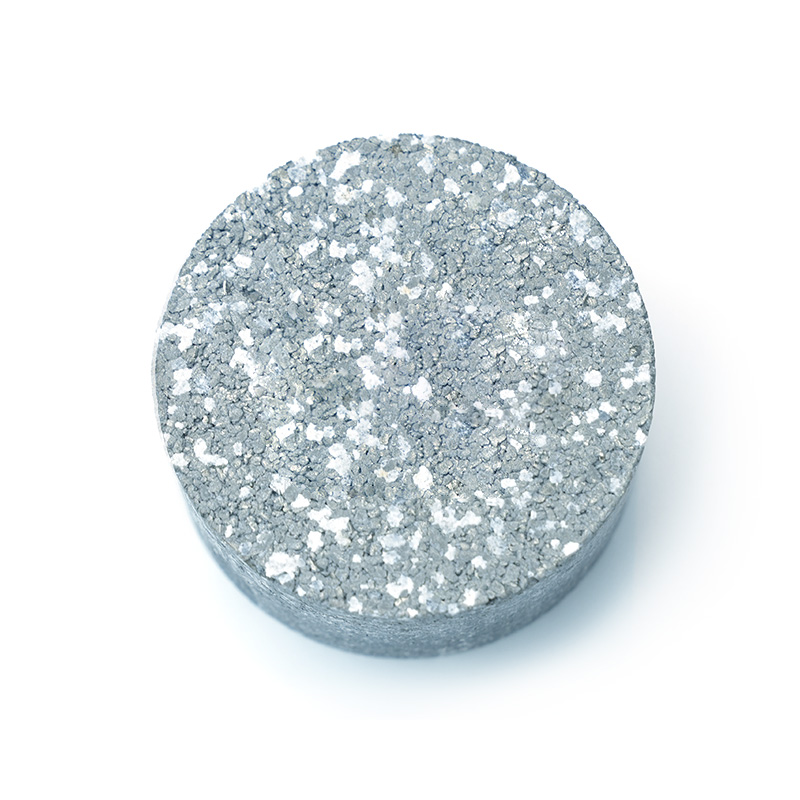
Aluminum Alloying Additives Tablets are high-performance, tablet-shaped aluminum alloy composition adjustment materials. Crafted by uniformly mixing pure metal powder with flux (or aluminum powder) in a scientifically formulated proportion and undergoing precise compaction processing, Aluminum Alloying Additives Tablets are dedicated to the accurate adjustment of aluminum alloy chemical composition during the aluminum smelting and processing process. As an innovative functional additive for the aluminum processing industry, it can simplify the process, save energy and raw materials, control alloy composition accurately, and improve quality, with small size, convenient storage and transportation.
ABOUT US
Nantong Angshen Metal Materials Co., Ltd.
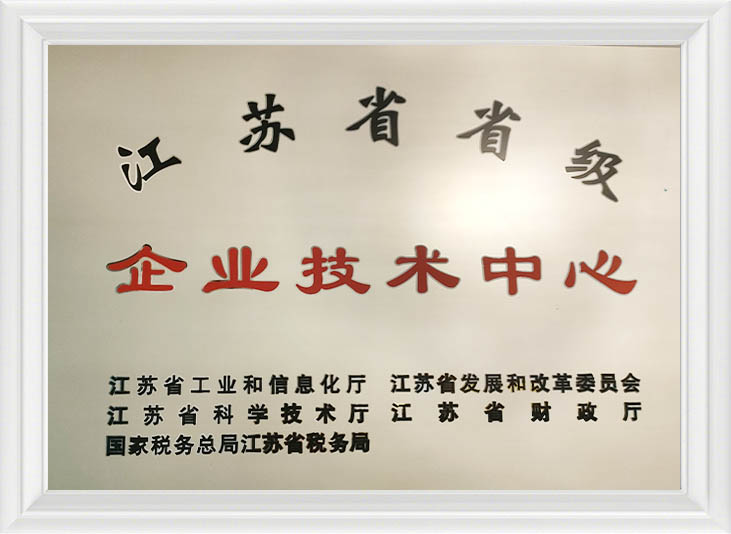
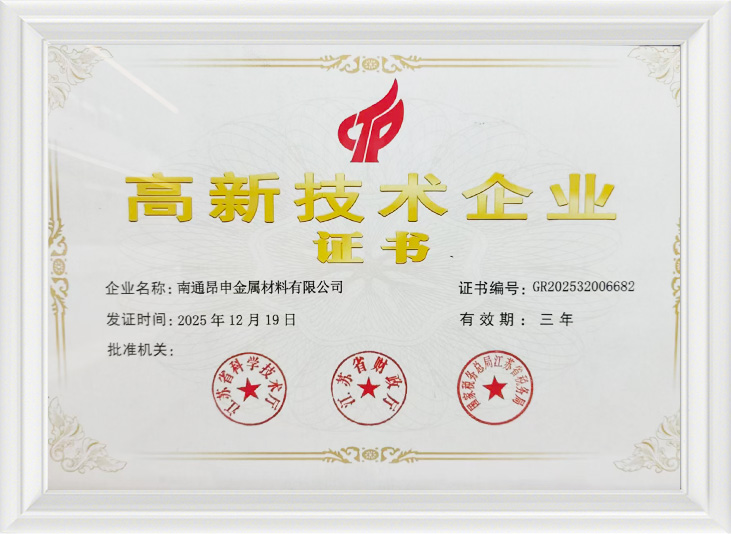
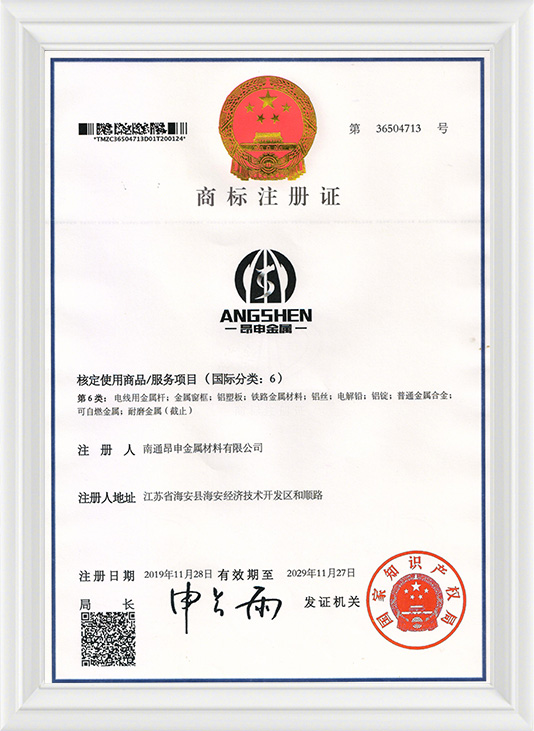
Nantong Angshen Metal Co., Ltd. is a high-tech enterprise specializing in the R&D, manufacturing, and sales of Aluminum Master Alloys, Metal Tablets and Fluxes. Having evolved from applications in traditional non-ferrous metal smelting, we are China Aluminum Alloying Tablets Manufacturer and Wholesale Aluminum Alloying Additives Tablets Factory, our products serve as key materials for advanced manufacturing, from automotive lightweighting, high-speed rail, aerospace and shipbuilding, to power electronics, pharmaceutical packaging and industrial machinery.
A 12-tonne aluminium melt sits at 735 °C, 200 kg of manganese tablets go in, the furnace holds for ten minutes, and the spectrometer still comes back 0.12% low on manganese. Ordering more tablets rarely fixes that. The useful questions are narrower: what was the melt temperature at the moment of ad...
When a foundry pours A356 into a permanent mold and sees coarse grain, low elongation, and scattered porosity, the first reaction is often to “add something” to the melt. That reaction can make the problem worse. Aluminum casting additives are not one product; they are a family of materials with di...
A casthouse running 6061 billet at 730°C adds manganese tablets through a bell plunger, waits two minutes, and samples the bath. The lab returns 0.58% Mn against a 0.60-0.70% window. Nothing was wrong with the metal. The tablets simply went into a colder, more oxidised melt than the specification a...
Aluminum Alloying Additives Tablets Industry knowledge
Aluminum Alloying Tablets are pressed, block-form Alloying Additive Tablets used to fine-tune the chemical composition of molten aluminum during smelting and processing. Nantong Angshen Metal Materials Co., Ltd. manufactures this line as a China Aluminum Alloying Additives Tablets Factory, pressing manganese, iron, chromium, titanium, silicon and copper into standardized blocks so foundries, extruders and rolling mills can correct one element at a time without disturbing the rest of the melt chemistry. As a wholesale Aluminum Alloying Additives Tablets Manufacturer, the company also accepts custom Aluminum Alloying Additives Tablets orders built around a buyer's own weight and packaging requirements.
How an Aluminum Alloying Tablet Is Made and Used
Each tablet starts as pure metal powder, uniformly mixed with flux or aluminum powder in a scientifically formulated proportion, then pressed under precise compaction into a solid block. Nantong Angshen Metal Materials builds this process around three goals stated for the product line: simplify the alloying process, save energy and raw materials, and control alloy composition accurately, all while keeping the finished tablet small enough for convenient storage and transport.
1
Pure metal powder is uniformly mixed with flux or aluminum powder in a set proportion
2
The mixture undergoes precise compaction into a dense, storable block
3
The tablet is added directly to the melt to adjust one element without disturbing the rest of the chemistry
Because the additive already carries its element inside a compacted block rather than loose powder, operators sourcing Aluminum Alloying Tablets from Nantong Angshen Metal Materials can count and add pieces by hand without an electronic scale, which is one reason the format has become the standard tool for late-stage correction in aluminum melting workshops.
The Spec Every Tablet in This Range Shares
Regardless of which element a buyer needs, Nantong Angshen Metal Materials holds the tablet range to the same three benchmarks, which is part of why the product is trusted as a repeatable Aluminum Alloying Tablets supply rather than a batch-by-batch gamble.
500g
Standard weight per tablet, customizable on request
720-760C
Recommended melt temperature for dissolution
90-95%
Element recovery rate, minimum 90%, premium grades up to 95%
Manganese Tablets for Aluminum Alloying
FunctionHardener and alloying agent for manganese content control
Weight500 grams per tablet, customizable
Temperature720 to 760 C
Recovery90 percent minimum, up to 95 percent
As a China Manganese Tablets for Aluminum Alloying Supplier, Nantong Angshen Metal Materials presses manganese into the same compacted block format used across the rest of the tablet range, designed for ease of use and precise, consistent alloy composition control during casting and melting. Manganese tablets are used to precisely adjust manganese content to optimize the strength and corrosion resistance of 3000 series alloys, ensure uniform manganese distribution during the production of aluminum ingots and billets, support the high-quality manufacturing of aluminum sheets, foils and extruded profiles, and enhance the durability of aluminum components used in automotive and construction applications.
The Full Aluminum Alloying Tablets Range
Beyond manganese, Nantong Angshen Metal Materials produces six further single-element tablet families, each graded to give buyers a choice within the target content range.
Tablet
Grades
Key Advantage
Primary Use
Iron Tablets
Fe75 / Fe80
Rapid dissolution reduces slag formation and metal loss during smelting
Correcting iron deficiency in cast, wrought and recycled aluminum alloys
Chromium Tablets
Cr75 / Cr80
Block form avoids dust and moisture issues common with powdered additives
Rapid, uniform dissolution with no significant sediment or slag at the furnace bottom
Grain refining and strengthening in cast and wrought aluminum alloys
Fusible Silicon Tablets
Silicon series
Avoids the difficult-melting and segregation issues of traditional silicon blocks
Al-Si alloys such as A356, ZL102 and ADC12
Copper Tablets
Cu75 / Cu80
Dissolves with no significant residue, preserving melt purity
Copper-containing 2 series, 6 series and 7 series wrought and cast alloys
Zirconium Tablets
Zr75 / Zr80
Pressed-ingot structure resists crumbling during transport and charging
Aerospace high-strength alloys, rail transit and marine corrosion-resistant parts
The dual-grade structure used across most of the range, Fe75 and Fe80, Cr75 and Cr80, Ti75 and Ti80, Cu75 and Cu80, Zr75 and Zr80, lets a buyer pick the concentration that matches the target alloy without switching to a different additive family. Titanium Tablets, for example, function as a vital grain-refining and strengthening element that significantly improves microstructure, strength, toughness and fatigue resistance, and are applicable both in the initial melting stage and as a remedial adjustment when segregation or dilution has left titanium content too low mid-production.
Custom Weights and Wholesale Ordering
Every tablet in the Nantong Angshen Metal Materials range starts at a standard 500 gram weight, and every family also lists customized weights as available, which is the practical basis for Custom Aluminum Alloying Additives Tablets orders built around a specific furnace batch size or automated feeding line.
Standard 500 gram blocks for manual counting and feeding without a scale
Customized weights for automated dosing lines and non-standard furnace batches
Same 720 to 760 C melt window across the range for consistent workshop practice
Minimum 90 percent recovery across every grade, with premium options reaching 95 percent
This is the standard buyers reference when comparing a Wholesale Aluminum Alloying Additives Tablets Manufacturer against smaller regional suppliers: Nantong Angshen Metal Materials operates as an Aluminum Alloying Additives Tablets Factory that keeps grade, weight and temperature specifications consistent across manganese, iron, chromium, titanium, silicon, copper and zirconium tablets, so a single purchase order can mix several elements for one furnace campaign instead of qualifying a separate vendor for each. That consistency is also why recycled aluminum operations use the tablet range to correct iron, copper, chromium or zirconium content batch after batch, restoring specification without changing raw material suppliers.
Frequently Asked Questions
What is the standard weight of an Aluminum Alloying Tablet and can it be customized
The standard weight across the range is 500 grams per tablet. Every family, from manganese to zirconium, lists customized weights as available for buyers with automated feeding lines or non-standard furnace batch sizes.
What melting temperature is needed to dissolve Aluminum Alloying Tablets
The recommended melt temperature across manganese, iron, chromium, titanium, fusible silicon, copper and zirconium tablets is 720 to 760 C, which allows a workshop to use one temperature window regardless of which element it is correcting.
What element recovery rate should I expect
Element recovery rate is a minimum of 90 percent across the tablet range, with premium-grade options reaching up to 95 percent, which limits how much extra material is needed to hit target alloy chemistry.
Are Manganese Tablets suitable for 3000 series aluminum alloys
Yes. Manganese Tablets are used to precisely adjust manganese content specifically to optimize the strength and corrosion resistance of 3000 series alloys, alongside use in ingot, billet, sheet, foil and extruded profile production.
Can Aluminum Alloying Tablets correct composition in recycled aluminum
Yes. Iron Tablets are used in the recycled aluminum industry for composition homogenization and final adjustment, and Copper Tablets are suitable for correcting copper composition during aluminum alloy recycling, helping recycled material meet target grade standards again.
Why are tablets such as Fe75/Fe80 or Cu75/Cu80 offered in two grades
The two grades correspond to different element content levels within the same tablet family, letting a buyer select the concentration that matches the target alloy specification rather than over- or under-adding a single fixed-content product.



 English
  中文简体
中文简体 
 wmfan0222@163.com