

 English
  中文简体
中文简体 
ANGSHEN
ANGSHEN
ANGSHEN
ANGSHEN
ANGSHEN
ANGSHEN
ANGSHEN
ANGSHEN
ANGSHEN
ANGSHEN
ANGSHEN
ANGSHEN
ANGSHEN
ANGSHEN
ANGSHEN
ANGSHEN

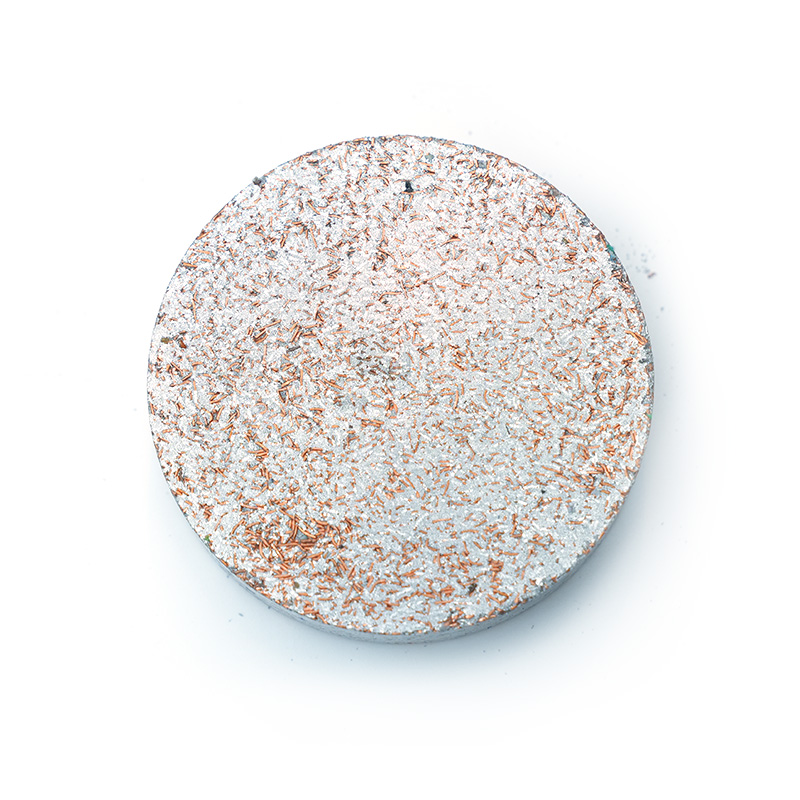
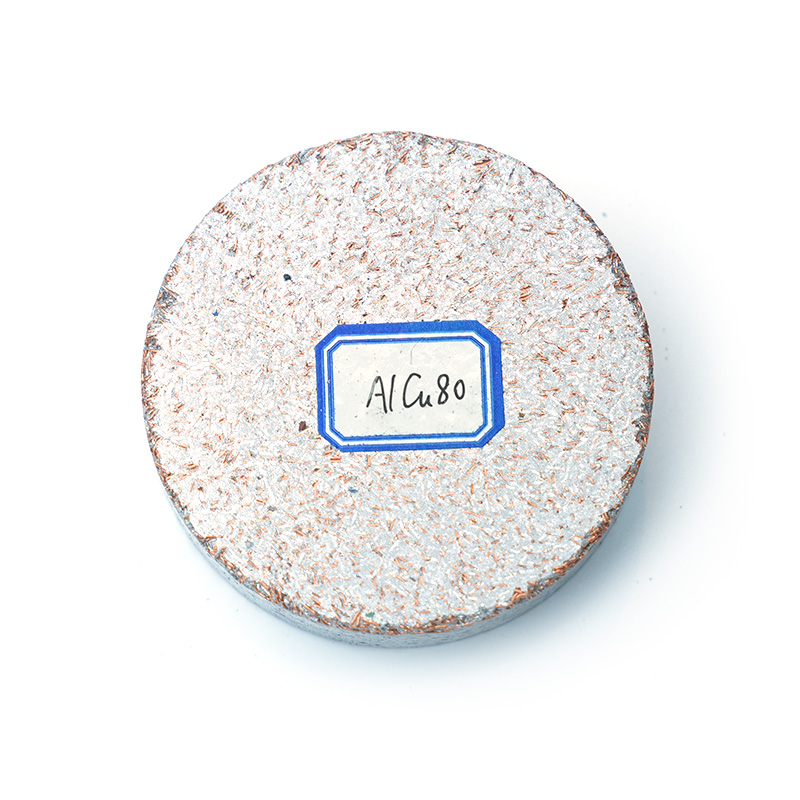
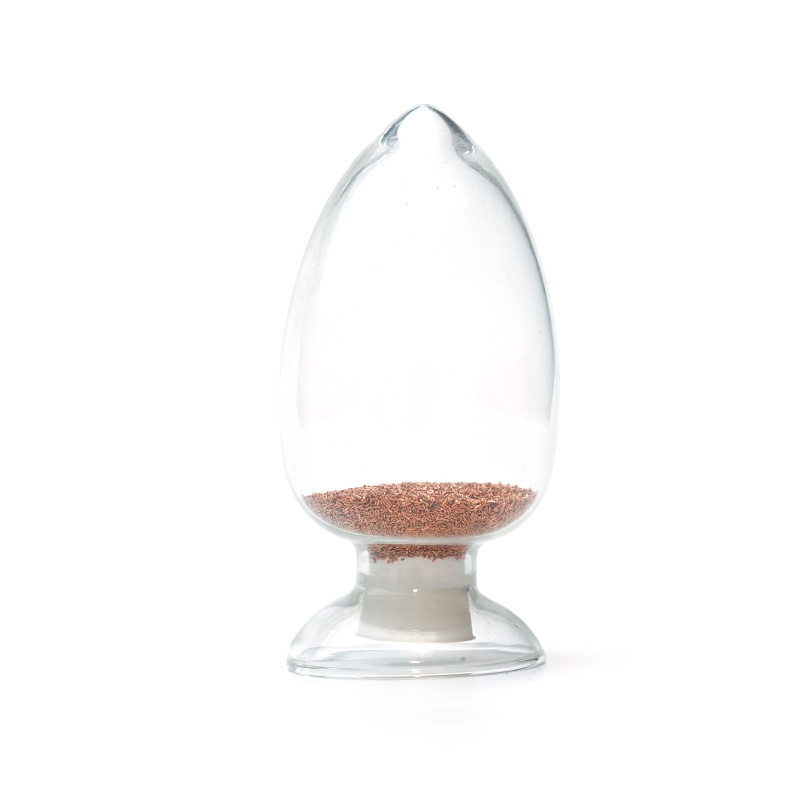
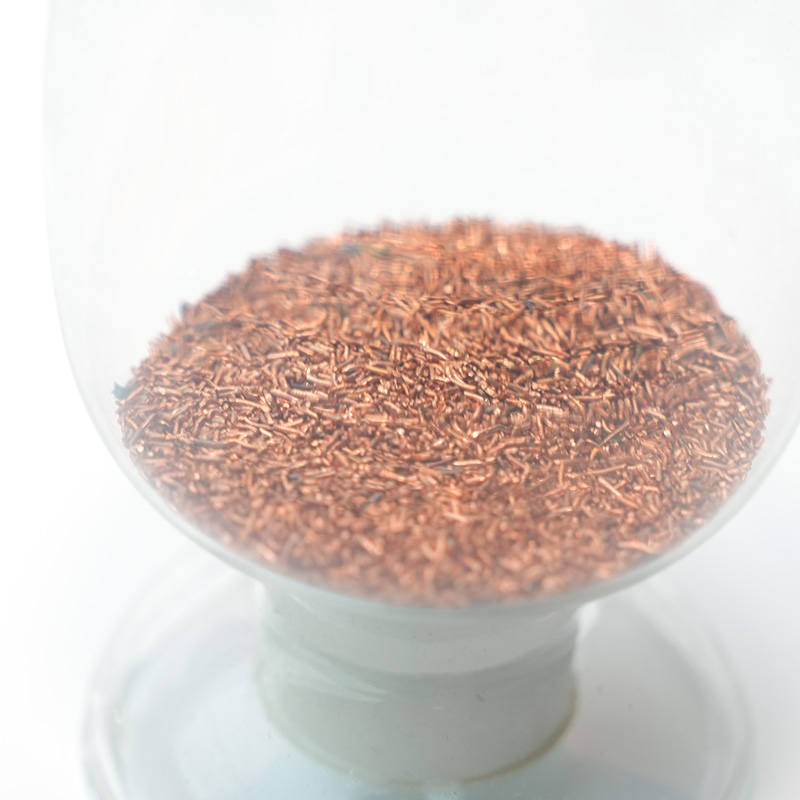
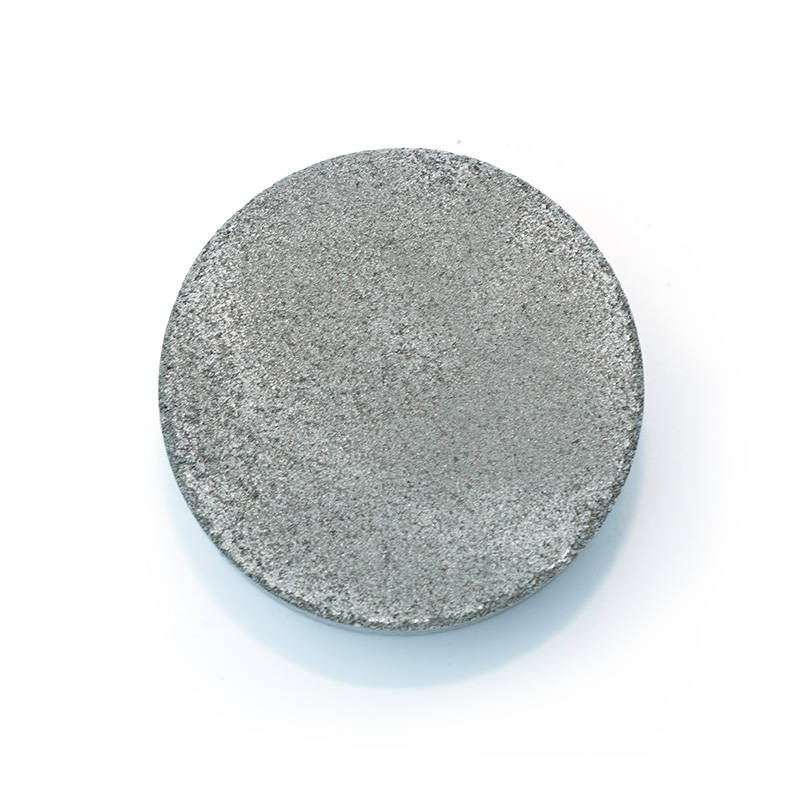
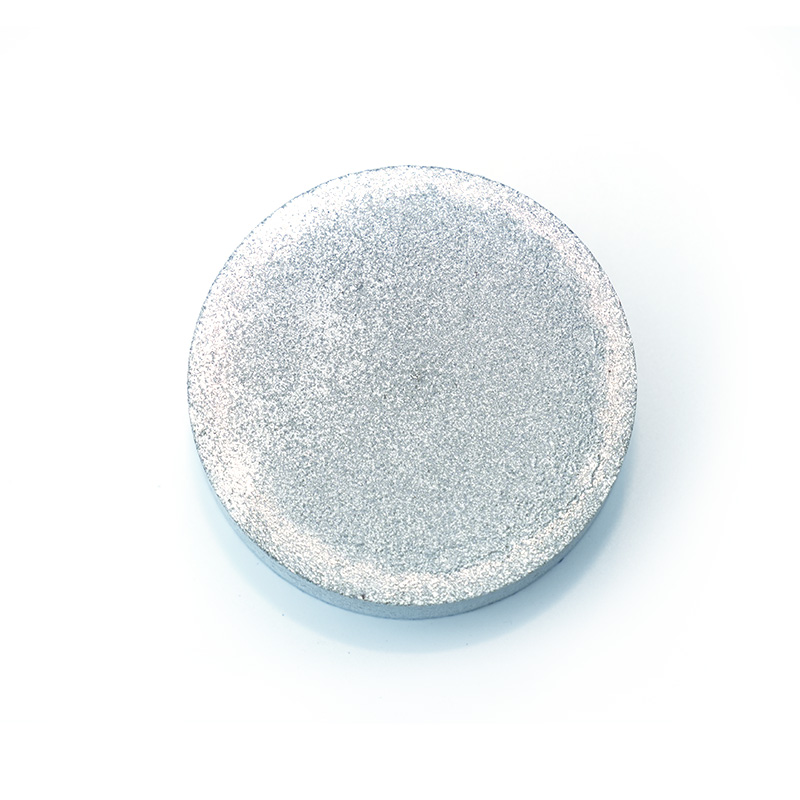
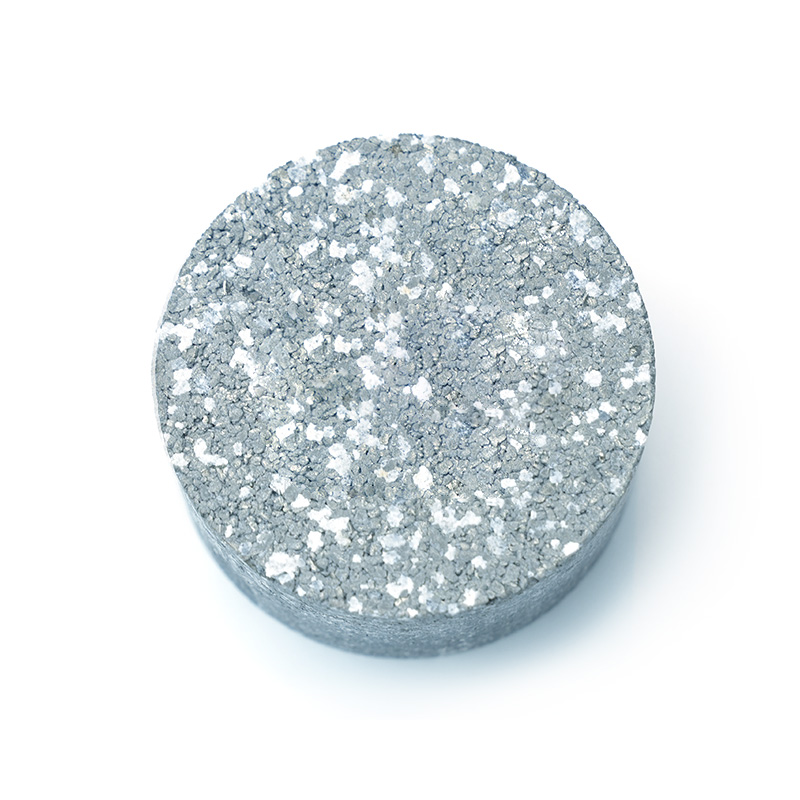
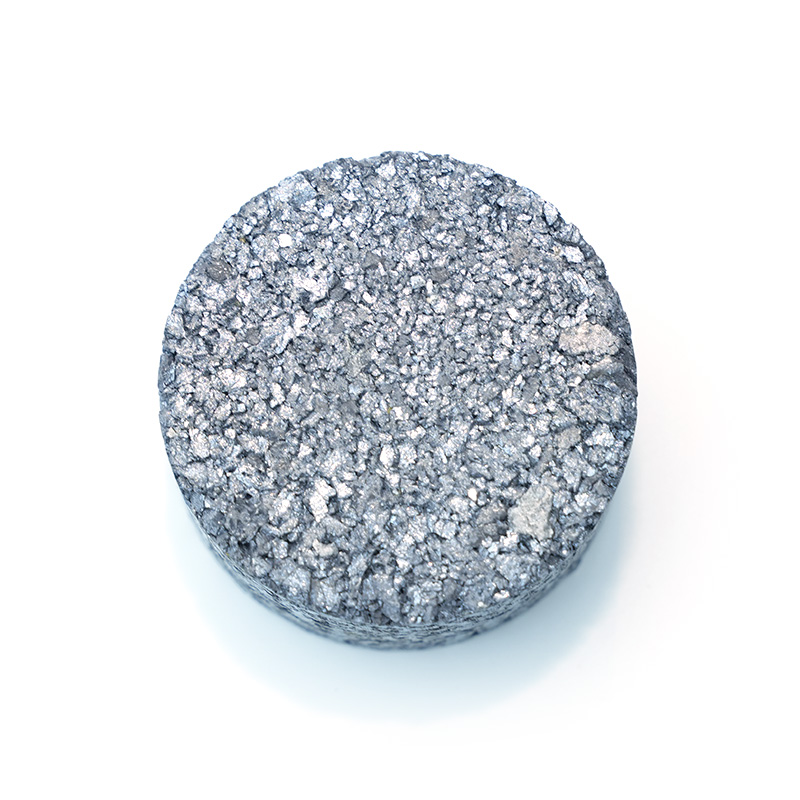
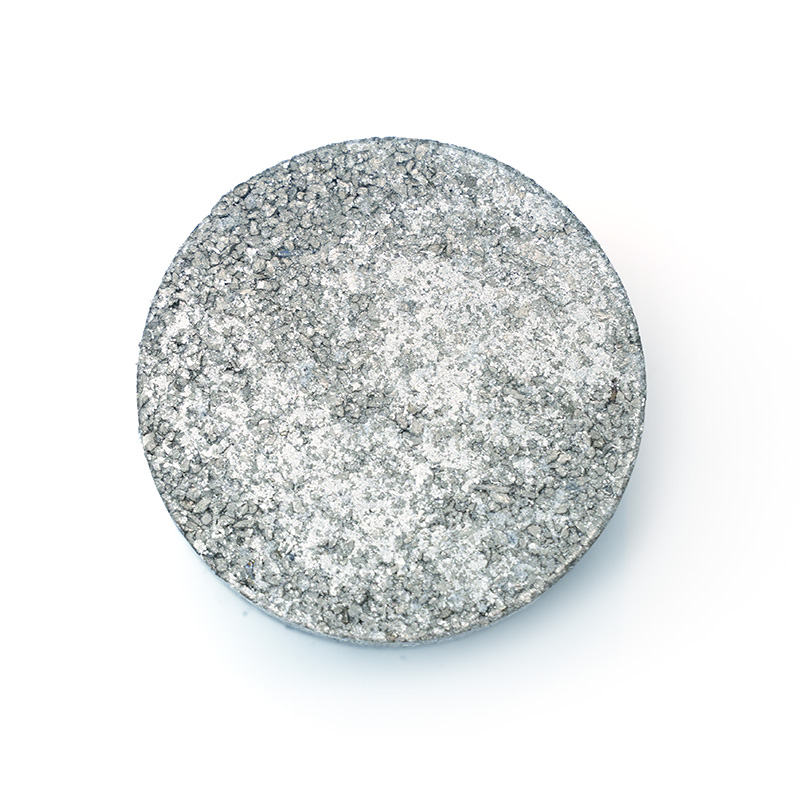
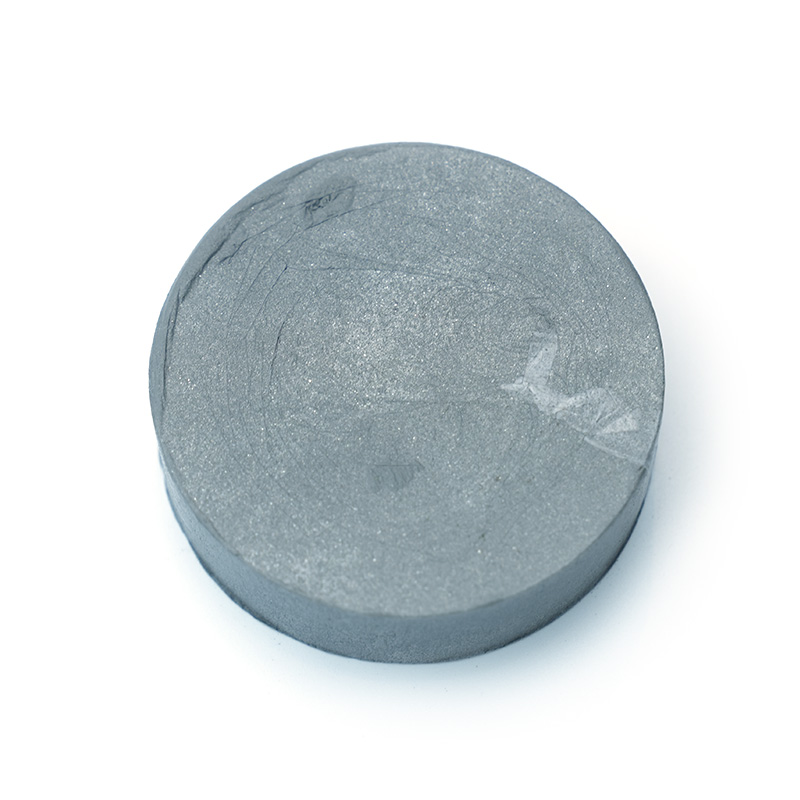
Copper Tablets for Aluminum Alloying


Message Feedback
ABOUT US
Nantong Angshen Metal Materials Co., Ltd.
Nantong Angshen Metal Co., Ltd. is a high-tech enterprise specializing in the R&D, manufacturing, and sales of Aluminum Master Alloys, Metal Tablets and Fluxes. Having evolved from applications in traditional non-ferrous metal smelting, we are China Wholesale Copper Tablets for Aluminum Alloying Supplier and Copper Tablets for Aluminum Alloying Factory, our products serve as key materials for advanced manufacturing, from automotive lightweighting, high-speed rail, aerospace and shipbuilding, to power electronics, pharmaceutical packaging and industrial machinery.
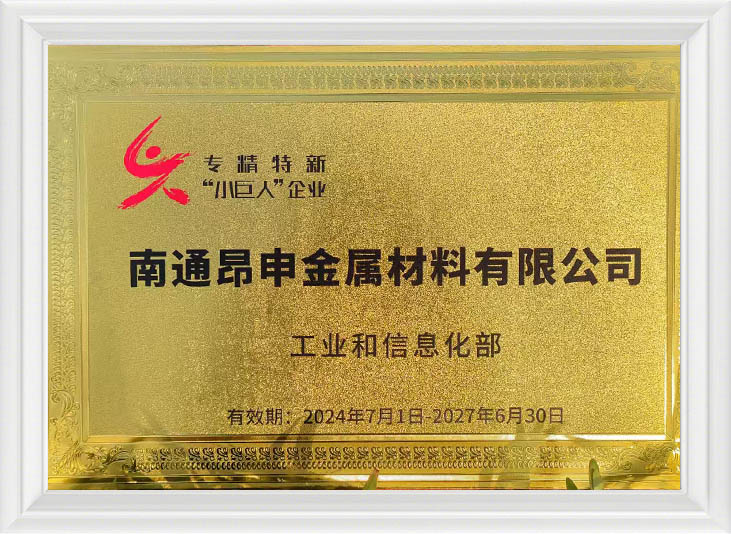
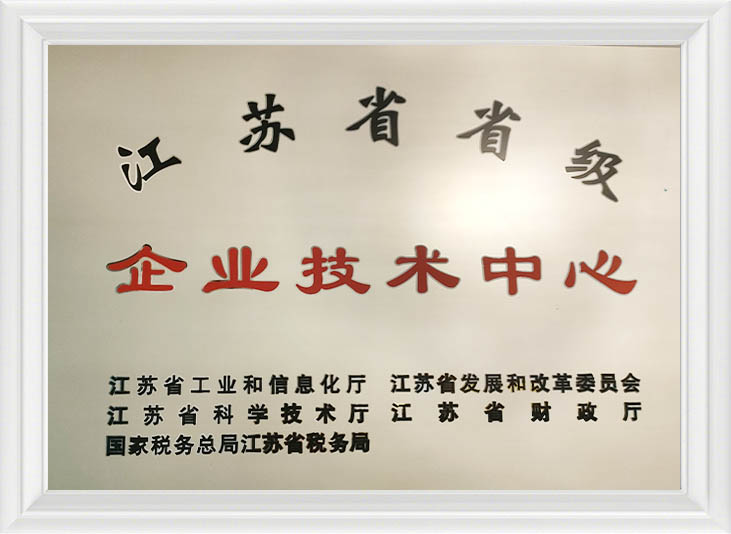
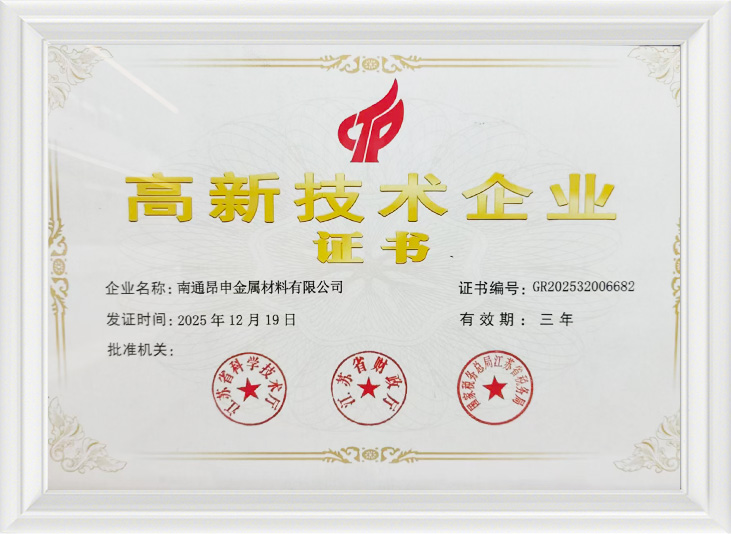
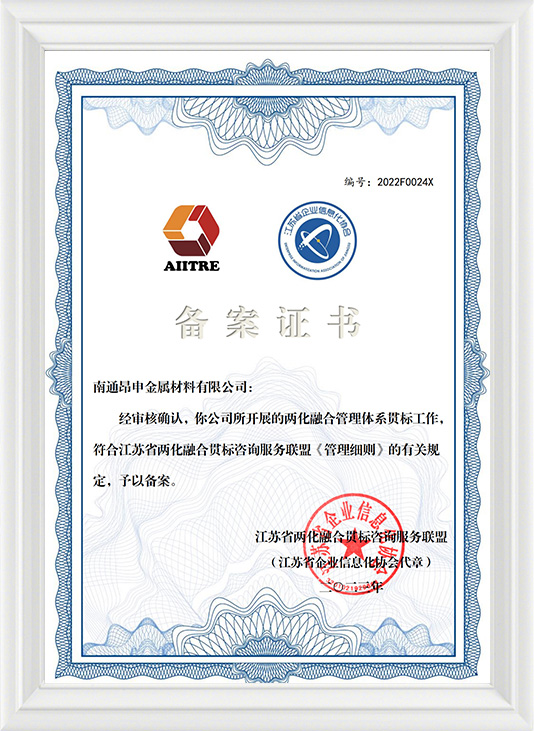
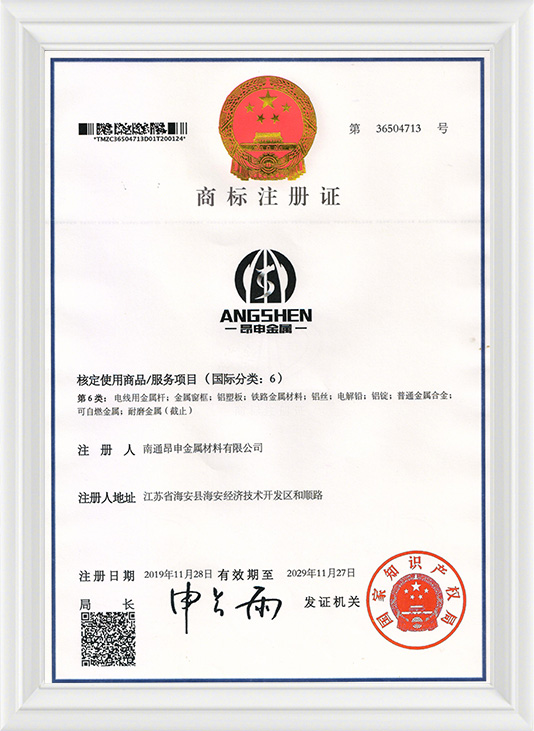
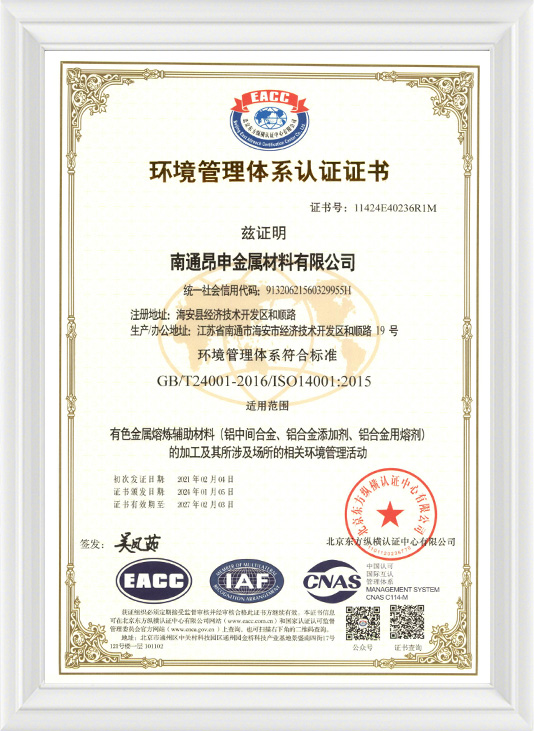
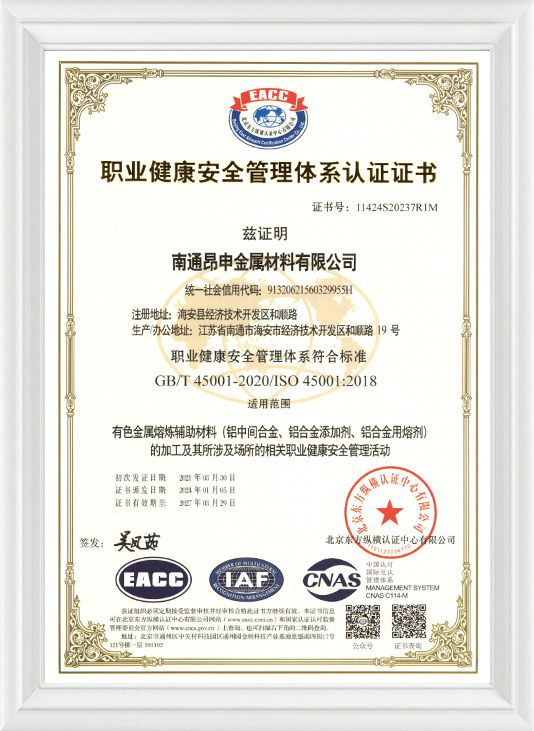
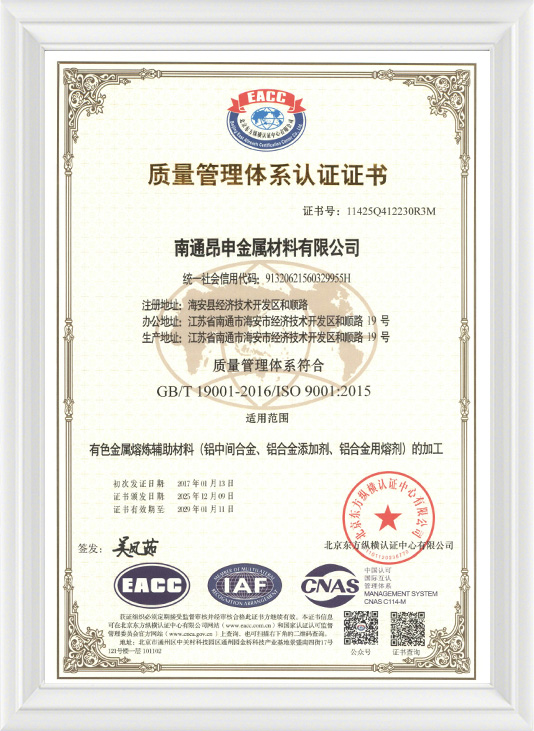
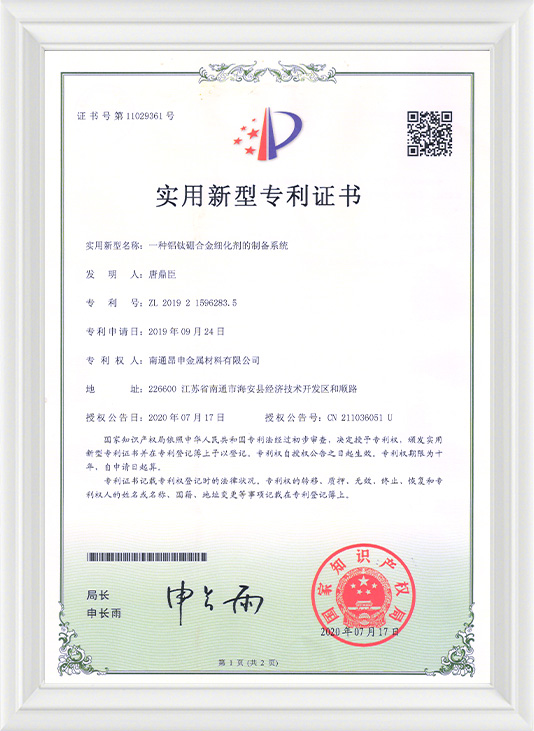
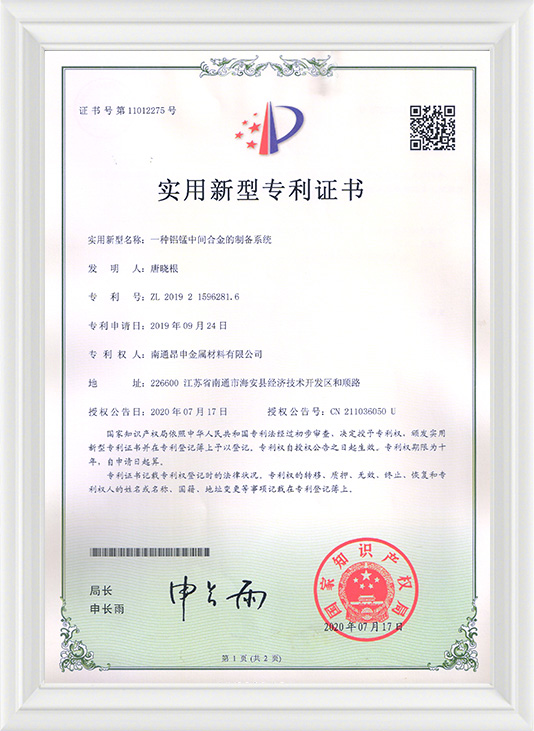
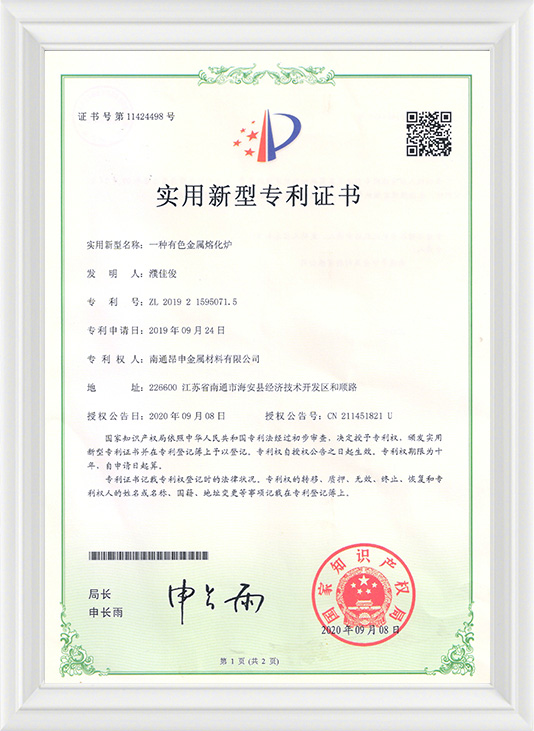
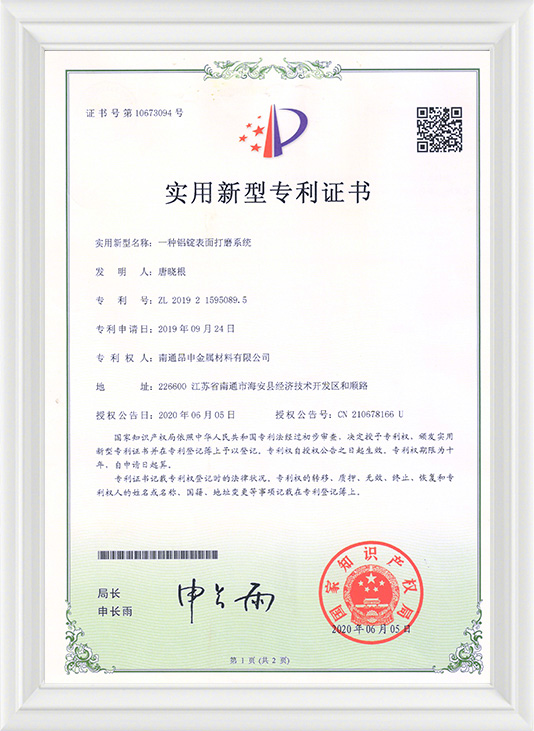
Certificate Of Honor
NEWS
-
A 12-tonne aluminium melt sits at 735 °C, 200 kg of manganese tablets go in, the furnace holds for ten minutes, and the spectrometer still comes back 0.12% low on manganese. Ordering more tablets rar...
Read More -
When a foundry pours A356 into a permanent mold and sees coarse grain, low elongation, and scattered porosity, the first reaction is often to “add something” to the melt. That reaction can make the p...
Read More -
A casthouse running 6061 billet at 730°C adds manganese tablets through a bell plunger, waits two minutes, and samples the bath. The lab returns 0.58% Mn against a 0.60-0.70% window. Nothing was wron...
Read More -
Suppose your furnace holds 12 tons of 3003 aluminum alloy, and the manganese reading just came back at 0.98% with a target of 1.25%. If you add loose manganese chips, you can expect slow dissolution,...
Read More

- Quick Link
- HOME
- PRODUCTS
- NEWS
- SOLUTION
- CONTACT US
- Contact information
-
-
wmfan0222@163.com

-
+86-13167461999

+86-18252891222(WhatsApp) -
+86-0513-88275999

-
No.19 HeshunHaian Economic Development Zone, Nantong, Jiangsu, China

-

