-
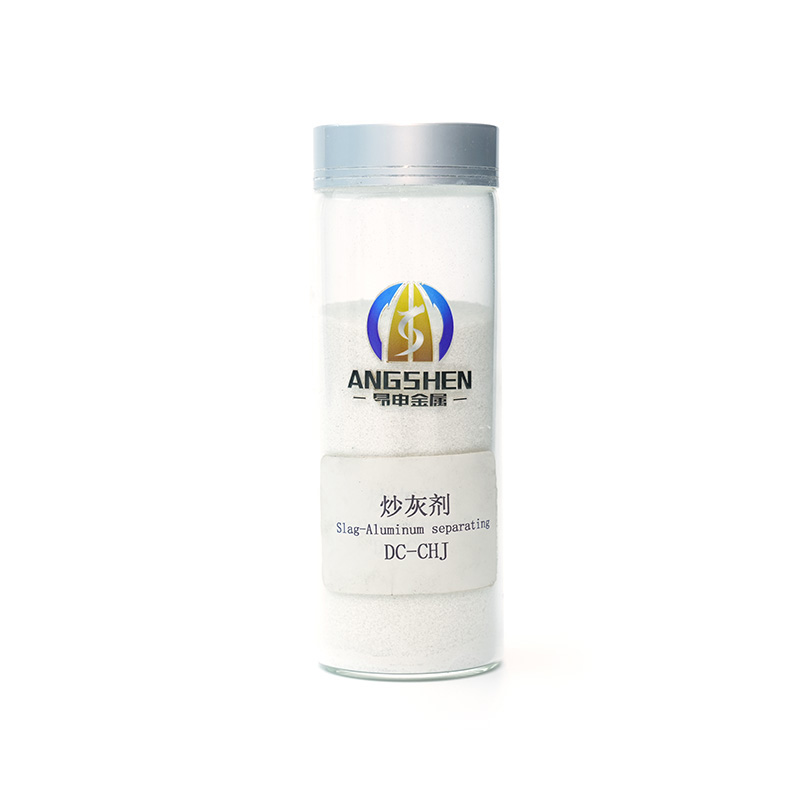
Aluminum Dross Separating Drossing Flux
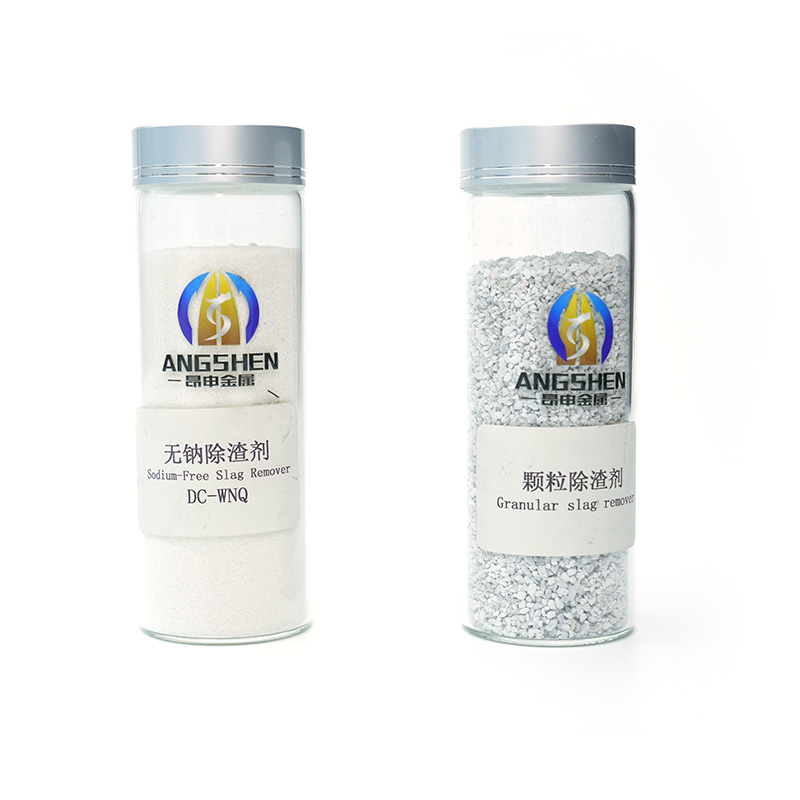
Aluminum Dross Separating Drossing Flux is a highly efficient slag remover specifically designed for the die-casting and recycled aluminum processing industries. This flux is primarily utilized to facilitate the separation of oxide slag—accumulated on the surface of molten aluminum—from the liquid metal itself. The recommended addition rate is 0.2% to 0.4% of the total melt weight; however, users may flexibly adjust the dosage based on actual operating conditions. When used under high-temperature conditions exceeding 700°C, the product fully maximizes its slag-aluminum separation efficacy, thereby significantly reducing the loss of valuable aluminum metal typically entrained during the manual skimming process. In terms of packaging, the product is available in three distinct bag sizes—1 kg, 2.5 kg, and 5 kg—to facilitate convenient and precise dosing across various production batch sizes. Overall, with its precise dosage range, proven high-temperature adaptability, and targeted application scenarios, this product serves as a practical auxiliary material for aluminum processing enterprises seeking to enhance aluminum recovery rates and improve melt quality.
**Key Advantages**
Aluminum Dross Separating Drossing Flux demonstrates several core advantages during aluminum slag separation operations. First, the addition rate is flexible and controllable; the base recommended ratio of 0.2%–0.4% covers the vast majority of operating conditions encountered in die-casting and recycled aluminum smelting. Furthermore, the product supports on-site fine-tuning "as needed," allowing operators to freely optimize the dosage based on factors such as slag volume and aluminum melt quality—thereby preventing waste while ensuring effective separation. Second, the product exhibits outstanding high-temperature adaptability; it is specifically designed for use when the melt temperature exceeds 700°C. Within this temperature range, the flux reacts rapidly with the oxide slag, causing the slag layer to become dry, loose, and naturally buoyant. Unlike products that may suffer from clumping or incomplete separation at lower temperatures, this flux ensures the smooth and efficient execution of the slag-skimming process. Third, the packaging system offers exceptional practicality: the 1 kg small bags are ideal for precise manual dosing or trial testing; the 2.5 kg bags meet the requirements of standard furnace batches; and the 5 kg large bags are compatible with automated dosing systems or large-scale furnace operations. These three distinct sizes seamlessly cover the entire spectrum of applications, ranging from laboratory-scale experiments to full-scale industrial production. It minimizes dust generation and material loss associated with on-site repackaging. Finally, the product focuses on two core sectors—die casting and recycled aluminum production—addressing common critical pain points inherent to these processes, such as severe oxidation of molten aluminum and high aluminum content within the dross. By effectively reducing the proportion of residual metallic aluminum trapped in the dross and enhancing melt purity, the product minimizes slag inclusion defects in castings and boosts metal recovery efficiency for recycled aluminum enterprises.**Product Application**
Aluminum Dross Separating Drossing Flux is specifically designed for slag-aluminum separation operations during the smelting of aluminum and aluminum alloys, making it particularly suitable for die-casting workshops and recycled aluminum processing facilities. In practical application, once the temperature of the molten aluminum has stabilized above 700°C, operators should uniformly sprinkle the slag remover over the floating dross layer on the melt surface at a ratio of 0.2% to 0.4% (or at the optimal dosage determined via on-site small-scale trials). Leveraging the product's high-temperature reactive properties, the typically viscous oxide dross—which often encapsulates significant amounts of molten aluminum—gradually transforms into loose, dry solid granules that naturally detach from the pure molten aluminum beneath. At this stage, operators need only use a skimming tool to gently scrape away the dross; the clean molten aluminum flows back into the furnace bath, thereby significantly reducing the metal loss typically associated with dross removal. For the die-casting industry, using this product effectively enhances the quality of the molten aluminum, thereby reducing defects in die castings—such as porosity and shrinkage looseness—that are often caused by slag inclusions. For recycled aluminum enterprises—which frequently process scrap aluminum feedstock characterized by complex compositions and high degrees of oxidation—this slag remover consistently facilitates efficient slag-aluminum separation, helping companies boost their aluminum recovery rates and lower production costs. Regarding packaging, 1 kg, 2.5 kg, and 5 kg bags are available to accommodate varying furnace batch sizes: 1 kg bags are recommended for small-scale trial furnaces or manual addition; 2.5 kg bags are suitable for medium-sized smelting furnaces; and 5 kg bags are the preferred choice for large-scale centralized smelting operations or automated feeding systems, ensuring operational convenience and minimizing waste. Through the judicious use of this product, aluminum processing enterprises can achieve cleaner, more cost-effective production operations while simultaneously maintaining high smelting efficiency.
Get A Quote -
Sodium-free Refining Flux
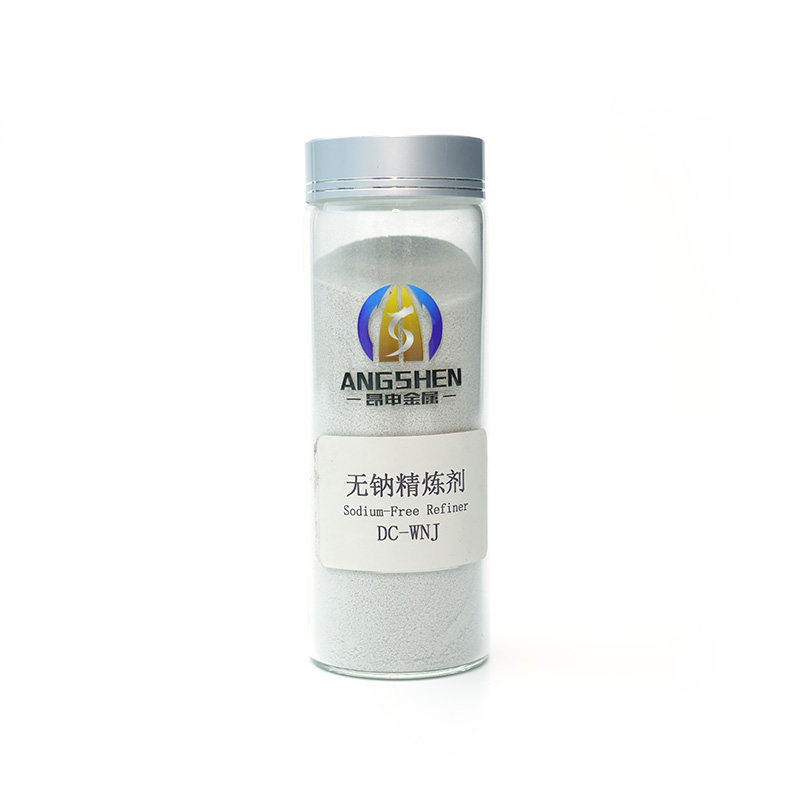
Sodium-free refining agent is a treatment aid specifically designed for the purification of aluminum and aluminum alloy melts. Its core feature is that it is completely free of sodium. The recommended addition amount is 0.1%-0.4% of the weight of the aluminum alloy charge, but companies can adjust this flexibly based on the actual melt conditions and process requirements. The operating temperature must reach 700-740℃ and above; within this range, the refining effect is stable. The product is supplied in bags, available in 1 kg/bag, 2.5 kg/bag, and 5 kg/bag sizes, facilitating charging operations and inventory management for smelting furnaces of different sizes. Its sodium-free formula makes it particularly suitable for high-end aluminum alloys sensitive to sodium content, balancing refining efficiency and material safety.
Main Advantages
Sodium-free formula, avoiding sodium embrittlement risk: The product contains no sodium, fundamentally eliminating the increased embrittlement caused by sodium segregation at aluminum alloy grain boundaries. It is particularly suitable for aluminum alloys requiring high plasticity and toughness (such as aluminum-magnesium-silicon alloys and aluminum-magnesium alloys) and workpieces requiring subsequent anodizing treatment.
Wide addition range and high operational flexibility: An addition ratio of 0.1%-0.4% can be used as the standard refining dosage, or adjusted temporarily according to the actual impurity content in the molten aluminum. Technicians can handle batch-to-batch melt quality variations without frequently changing the refining agent type.
Suitable for mainstream melting temperatures: Temperatures of 700-740℃ and above cover the actual operating window for most aluminum alloy melting, holding, and refining processes. There is no need to deliberately change the existing furnace temperature regime to use this product; it can be directly integrated into the existing production rhythm.
Diverse packaging specifications and convenient feeding: Three small bag packaging options are available for single or multiple feeding needs in small-batch trials (1kg), medium-sized furnaces (2.5kg), and large furnaces (5kg). The bags can be directly added to the furnace or blown out after opening, reducing scattering losses and weighing errors.
Highly versatile and compatible with various processes: It can be used with a powder sprayer to inject powder into molten aluminum as a carrier gas, or manually added with stirring when no powder spraying equipment is available, adapting to aluminum alloy production workshops with varying equipment levels.
Product Applications
Sodium-free refining agent is primarily used in the refining and purification process of molten aluminum alloys. In practical applications, when the temperature of the molten aluminum rises to above 700-740℃, operators add a sodium-free refining agent to the furnace at a ratio of 0.1%-0.4% (this can be achieved by dispersing the agent with a powder sprayer or manually sprinkling it onto the surface of the melt and pressing it below the liquid surface). At high temperatures, the product rapidly reacts with or physically adsorbs hydrogen and non-metallic inclusions (such as alumina film, carbides, etc.) in the molten aluminum, causing these impurities to aggregate and float to the surface of the melt, forming easily removable dry scum. Because the formula does not contain sodium, the refining process does not introduce additional sodium ions into the molten aluminum, thus avoiding the negative impact of sodium on the mechanical properties (such as elongation and impact resistance) and corrosion resistance of aluminum alloys. This product is widely applicable to the pre-smelting and refining processes of aluminum processing products with strict sodium content restrictions, such as cast aluminum alloys (e.g., wheel hubs, engine parts), wrought aluminum alloys (e.g., extruded profiles, plates, bars), and high-purity aluminum foil and can stock. Simultaneously, for smelting enterprises using recycled aluminum as raw material, the sodium-free refining agent can remove impurities while preventing sodium accumulation, thus improving the quality stability of recycled aluminum products. Each bag of product is packaged by weight, facilitating direct calculation of usage by furnace batch by shift personnel, reducing on-site weighing steps, and improving production efficiency.
Get A Quote -
High Efficiency Refining(White Tablet)
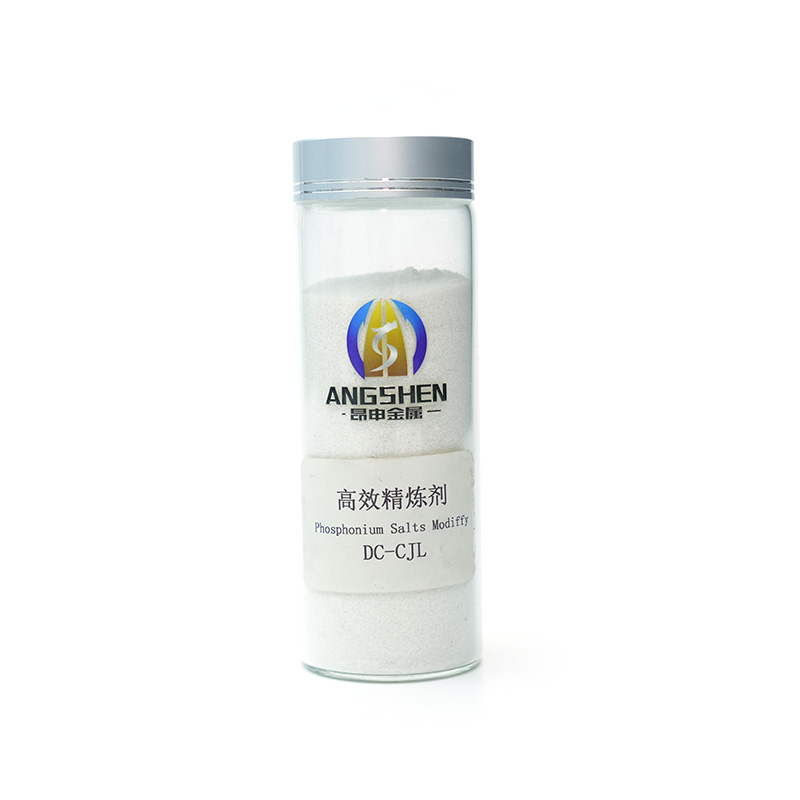
High-efficiency refining agent (white tablet) is a specialized refining agent for the purification of aluminum and aluminum alloy melts. It appears as white blocks, with a standard weight of 500 grams per block. It is primarily designed for the degassing and refining processes of pure aluminum and various commonly used aluminum alloys on the market. At melting temperatures of 710–730℃ and above, it can rapidly and stably exert its purification effect. The recommended addition amount is 0.2%–0.7% of the total melt weight, while allowing users to flexibly adjust the addition ratio according to actual working conditions. This product aims to remove gases and non-metallic inclusions from molten aluminum through a simple and efficient physicochemical process, thereby helping aluminum processing companies obtain high-purity molten aluminum with lower auxiliary material inputs." Suitable for casting and machining applications requiring high production efficiency and finished product quality.
Product CharacteristicsWhite Block Form: The product is pressed into uniform white blocks, each with a net weight of 500 grams. The surface is dry, and the hardness is moderate, making it less prone to breakage during transportation and storage, facilitating on-site counting and quantitative addition in the workshop.
Flexible Addition Range: The recommended addition amount is 0.2% to 0.7% of the total mass of molten aluminum, with explicit support for adjustment "as needed." Users can freely select the optimal addition amount within this range based on the initial gas content, inclusion level, and final product quality requirements in the melt.
Definitive Operating Temperature: The optimal refining temperature range is 710–730℃ and above. When the melt temperature reaches this range, the white, blocky refining agent melts and diffuses rapidly, reacting fully with hydrogen and oxides in the molten aluminum to ensure stable and reliable degassing and slag removal.
**Universal Compatibility:** The product formula is specifically designed for pure aluminum and various commonly used aluminum alloys. It can be used directly without distinguishing alloy types, offering broad coverage and reducing the pressure of stocking various refining agents on-site.
**Standardized Packaging:** Each block is individually packaged in 500g portions and shipped in blocks. Users can directly calculate the required number of blocks based on the weight of the molten aluminum in each furnace, eliminating the need for additional weighing steps and simplifying the operation process.
Key Advantages:**Significantly Improves Aluminum Purity and Reduces Scrap Rate:** Through a highly efficient reaction system, this product effectively removes hydrogen and oxides from molten aluminum. Dissolved atomic hydrogen and suspended oxide films, inclusions, and other harmful substances are removed. After refining, the incidence of defects such as pinholes, porosity, and looseness in castings is significantly reduced, especially for products with high airtightness requirements, resulting in a reliable improvement in the finished product qualification rate.
One-size-fits-all, simplified management: Applicable to most commonly used grades of pure aluminum, cast aluminum alloys, and wrought aluminum alloys. Users do not need to change refining agents for different alloy types; a single feeding sheet and one formulation can handle multiple production tasks, significantly reducing the complexity of material management and the risk of misuse.
Low dosage, controllable cost: The minimum dosage is only 0.2%, and even in melts with high impurity content, it usually does not need to exceed 0.7%. This wide-range but... The low-threshold addition design allows users to precisely control the cost of refining auxiliary materials per ton of molten aluminum while ensuring refining effects, achieving a balance between high quality and low consumption.
Wide operating temperature window, adaptable to conventional processes: Highly efficient refining capabilities are activated at 710℃ and remain stable up to common melting temperatures (e.g., 740-750℃). This feature reduces the risk of refining failure due to small fluctuations in furnace temperature, making it easier for operators to achieve consistent processing results.
Convenient operation and precise dosing: The fixed 500-gram size of each piece makes dosing calculations extremely simple. For example, for 1 ton of molten aluminum, only 2 to 7 pieces are needed to cover the recommended range; for non-standard furnace runs, also... It allows for quick mental arithmetic or simple calculations. On-site workers do not need to use electronic scales; they can directly add blocks to the furnace, reducing human weighing errors and improving batch-to-batch consistency.
Product Applications: High-efficiency refining agent (white tablet) is specifically designed for the degassing and refining process of pure aluminum and various commonly used aluminum alloys. It is a crucial purification step before aluminum molten metal is poured. Specific applications include:Aluminum Casting Production: In gravity casting, low-pressure casting, high-pressure casting, and metal mold casting processes, adding this product to the furnace or transfer ladle before pouring can rapidly reduce the hydrogen content of the molten aluminum, significantly reducing pinholes, porosity, and shrinkage defects inside the castings, improving the density, mechanical properties, and airtightness of the castings. Suitable for automotive parts, pump bodies, valve bodies, etc. Manufacturing of castings such as metal tools.
Production of aluminum profiles, sheets, strips, and foils: In the furnace refining stage of semi-continuous deep-well casting (DC casting) or horizontal casting, the use of a high-efficiency refining agent (white lumps) can effectively reduce the hydrogen content and oxide inclusion levels of ingots, thereby avoiding surface and internal defects such as bubbles, peeling, black streaks, and delamination during subsequent extrusion, rolling, wire drawing, or stamping, improving yield and surface quality.
Upgrading and utilizing recycled aluminum: Addressing the issue of high gas and inclusion content in recycled aluminum melt, by adjusting the addition amount to close to 0.7% and coordinating with thorough stirring, deep degassing and slag removal can be achieved, bringing the cleanliness of recycled aluminum close to that of virgin aluminum, thus broadening its application in higher-quality products. Applications that enhance the economic value of recycled aluminum.
High-end aluminum alloy components: For products with stringent internal quality standards, such as aerospace structural components, rail transportation components, heat sink profiles, and electronic casings, this product can meet the high requirements of flaw detection (such as X-ray and ultrasonic) and airtightness testing without introducing any impurity elements, ensuring product stability.
Flexible, multi-variety, small-batch production: Because it supports adjusting the dosage "according to actual needs" and has a fixed weight of 500 grams per piece, this product is particularly suitable for production workshops that frequently change alloy grades and have large variations in furnace capacity. Operators only need to quickly calculate the number of pieces to complete the feeding, without complex process conversions, facilitating flexible manufacturing.
Get A Quote -
Magnesium Depletion Flux for Aluminum Alloys
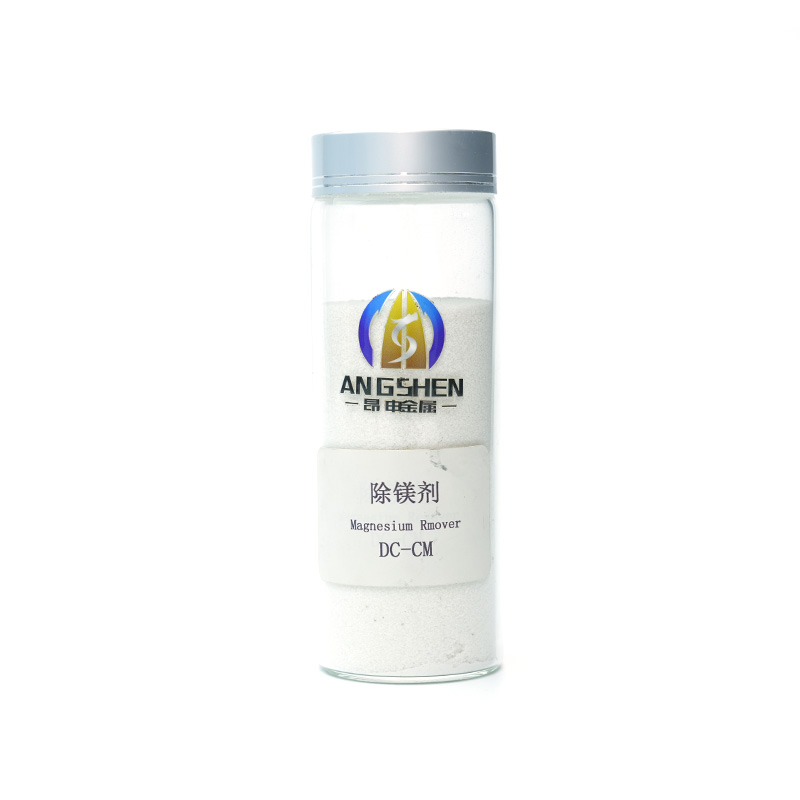
Magnesium removal flux for aluminum alloys is a functional additive specifically designed for aluminum alloy smelting processes. Its core function is to precisely reduce the excessive magnesium content in molten aluminum, while effectively removing oxide inclusions and providing degassing and purification. The dosage can be calculated based on the difference between the actual and target alloy composition, combined with the total weight of molten aluminum. The specific formula is: (Original magnesium content % - Required magnesium content %) × Aluminum molten weight × 6 kg. It is recommended for use within a melt temperature range of 710–740℃. Each bag is individually packaged in 5 kg portions for easy on-site application and precise dosing. This flux provides an efficient and controllable solution for fine-tuning aluminum alloy composition and purifying the melt.
Key AdvantagesPrecise and Controllable Magnesium Reduction Capacity: Based on a well-defined mathematical formula, operators can quickly calculate the precise amount of flux needed (6 kg per ton of aluminum for every 1% reduction in magnesium content) by combining the difference between the actual magnesium content measured before smelting and the target magnesium content required by the process, along with the total weight of aluminum melted in a single furnace. This avoids waste or insufficient addition, significantly improving the success rate of composition control.
Multiple Effects in One Flux, Simplified Process: During the simultaneous reduction of magnesium content, this flux actively adsorbs and separates oxide inclusions (such as Al₂O₃, MgO, etc.) in the melt, while also degassing, reducing the dissolution of harmful gases such as hydrogen in the molten aluminum. This achieves a three-step process of "magnesium reduction + impurity removal + degassing," helping to shorten smelting time.
Strong Temperature Adaptability: The product is designed to perform optimally within the common aluminum alloy smelting temperature window of 710–740℃, requiring no additional furnace temperature adjustments or changes to existing process specifications, making it easy to integrate into existing production processes.
Convenient Packaging and Feeding: Standardized 5 kg/bag packaging is suitable for precise weighing in small smelting furnaces and for multi-bag combination feeding in large smelting furnaces. The sealed packaging facilitates moisture protection, storage, and on-site management.
Product Applications: Composition Correction for Excessive Magnesium Content in Aluminum Alloys: Widely applicable to situations where the magnesium content is too high in wrought aluminum alloys (such as 6063, 6061, etc.) and cast aluminum alloys (such as A356, ZL102, etc.) due to raw material ratio deviations or the inclusion of recycled materials during production. Using this flux can safely and efficiently reduce the magnesium content to the target range, avoiding the scrapping or downgrading of the entire furnace of molten aluminum.
Improved Melt Purity: For high-end aluminum products requiring high purity (such as aerospace aluminum materials, automotive wheels, 5G communication housings, etc.), this flux not only solves the magnesium content problem but also simultaneously removes oxide films and non-metallic inclusions, improving the fluidity and feeding capacity of molten aluminum, and reducing casting porosity and slag inclusion defects.
Also functions as an auxiliary degassing agent: When a dedicated rotary degassing device is unavailable on-site or supplementary degassing is required, this flux can serve as an auxiliary degassing agent, reducing the hydrogen content in the melt and further improving the density and mechanical properties of the aluminum.
Suitable for various types of smelting equipment: This product can be used normally in resistance furnaces, gas furnaces, and induction furnaces, as long as the operating temperature is controlled within the range of 710–740℃. It is also suitable for in-furnace processing in centralized melting furnaces and crucible furnaces.
Get A Quote -
High-Efficiency Purifying Calcium Remover Flux 1# for Aluminum Alloy
CalciumRemover Flux 1# is a highly efficient auxiliary material specifically designed for the precise removal of excess calcium during the aluminum alloy smelting process. Addressing quality issues such as reduced toughness, decreased fluidity, and susceptibility to hot cracking caused by excessive calcium content in aluminum alloys, this product utilizes scientifically formulated active components to react rapidly and stably with calcium within a smelting temperature range of 710-740℃, generating easily separable compounds and effectively reducing residual calcium in the alloy. This calcium remover comes in convenient 5 kg bags, making storage and application very simple. Its core application lies in "on-demand addition"—users can precisely calculate the dosage based on the actual detected calcium content, using 7-8 kg of this product per 1 kg of calcium removed, avoiding waste and ensuring treatment effectiveness. Whether for recycled aluminum companies processing high-calcium remelting materials or aluminum alloy foundries fine-tuning the composition of specific grades, this product provides a reliable and controllable calcium removal solution.
Key Advantages
Precise Calcium Removal with Significant Results
CalciumRemover Flux 1# is optimized for its affinity reaction with calcium. Within the recommended temperature range of 710-740℃, it can quickly capture excess calcium in the melt and form a stable slag phase, resulting in outstanding calcium removal efficiency. Approximately 1 kg of calcium can be effectively removed with every 7-8 kg of calcium remover. The precise formulation allows process engineers to flexibly adjust the dosage based on the actual excess amount, avoiding over- or under-treatment.Wide Process Window and Stable Operation
The applicable temperature range is set at 710-740℃, covering the commonly used temperature range in most aluminum alloy smelting, holding, and refining processes, without requiring additional adjustments to smelting equipment or significant changes to existing processes. At this temperature, the calcium remover reacts gently, without producing violent splashing or fumes, ensuring operational safety and reducing high-temperature corrosion to furnace linings and tools.Improved Alloy Quality and Reduced Scrap Rate
Excess calcium can make aluminum alloys brittle, reduce ductility, and increase the tendency for hot cracking. After effectively controlling the calcium content using this product, the mechanical properties of the alloy (such as elongation and tensile strength) are restored, the internal structure of the casting is more uniform, the surface finish is improved, and scrap due to excessive calcium is significantly reduced, increasing the finished product qualification rate.Add as needed, economical and cost-effective. The product design follows the principle of "adding according to actual needs." Users do not need to blindly add according to a fixed ratio. Instead, they first test the calcium content in the furnace, calculate the weight (kg) of calcium to be removed, and then multiply by 7-8 times to obtain the dosage (kg) of calcium remover. This precise dosing mode ensures the treatment effect while minimizing auxiliary material consumption costs.
Practical packaging specifications for easy on-site management. Standardized packaging of 5 kg/bag, with a moderate weight per bag, facilitates manual handling and feeding, and is also beneficial for inventory statistics and batch management. The sealed packaging effectively prevents the product from getting damp and deteriorating, ensuring the activity and stability of each use.
Product Applications
**Calcium Impurity Removal in Recycled Aluminum Alloy Smelting**
When producing aluminum alloys using recycled raw materials such as scrap aluminum and old aluminum, impurities with high calcium content (such as certain coatings and inclusions) are often present in the raw materials, leading to excessive calcium content in the melt. Aluminum Alloy Calcium Remover No. 1 can be added before or after the regular refining process or during a dedicated calcium removal step to effectively reduce the calcium content to within the allowable range for the target grade, improving the purity and market value of recycled aluminum products.**Composition Fine-tuning for Specific Aluminum Alloy Grades**
Some high-requirement aluminum alloy grades (such as certain 5-series and 6-series alloys) have strict upper limits on calcium content. If excessive calcium is accidentally introduced during smelting or batching, this product can be used as a remedial measure, selectively removing calcium without affecting the content of other beneficial elements (magnesium, silicon, copper, etc.), helping the melt quickly return to the standard composition range.**Prevention of Casting Defects and Improvement of Machining Performance**
For processes such as die casting, sand casting, and low-pressure casting, excessive calcium content reduces the flow properties of aluminum alloys, leading to poor filling and increasing the risk of hot cracking and mold sticking in castings. Adding this product at 710-740℃ significantly improves melt purity, enhances filling capacity, and reduces shrinkage porosity, gas pockets, and microcracks, resulting in castings with higher density and better machinability.Flexible Use in Melting Processes: This product can be added after the aluminum alloy has completely melted but before refining, utilizing the reaction time to allow for thorough calcium separation; it can also be used in conjunction with refining agents and covering agents to achieve synergistic treatment of calcium removal, degassing, and slag removal. The 5 kg/bag packaging facilitates multiple or batch additions, allowing for flexible adjustment of the total dosage based on furnace capacity (from hundreds of kg to tens of tons).
Removal of Calcium Residue During Regular Furnace Maintenance: In smelting furnaces and holding furnaces operating continuously for extended periods, calcium deposits may gradually accumulate on the furnace walls or bottom, causing repeated contamination of new melt. Regular "furnace cleaning" with this product effectively dissolves and removes these stubborn calcium residues, extending furnace lining life and ensuring batch-to-batch compositional stability.
Get A Quote -
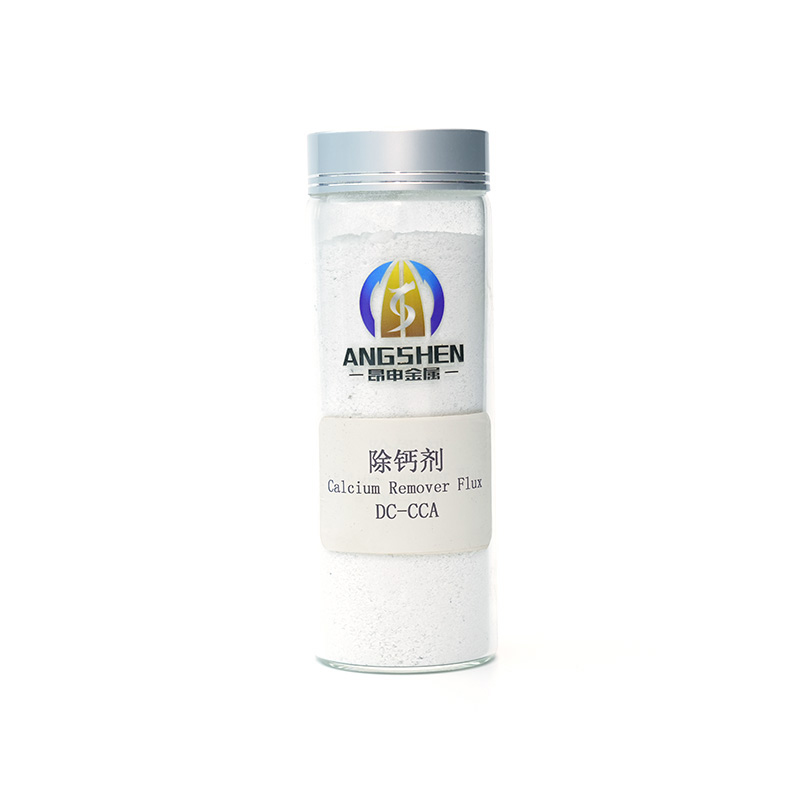
Calcium Remover Flux 2# Multi Effect Cleaning Purifying Flux
Calcium Remover Flux 2# Multi Effect Cleaning Purifying Flux is a precision calcium-removal additive specifically engineered for the aluminum alloy smelting process. It is designed to address excess calcium introduced into the melt through raw materials or the smelting operation itself. Utilizing a scientifically formulated active system, this product rapidly identifies and reacts with free calcium within the melt—specifically within the temperature range of 710–740°C. This reaction generates compounds that are insoluble in liquid aluminum; these compounds subsequently float to the surface to form a slag layer, thereby achieving an effective reduction in calcium content. The product offers flexible and controllable application: users first determine the excess calcium level within the furnace, then calculate the required dosage based on a ratio of 7–8 kilograms of Decalcifier No. 2 needed to remove every 1 kilogram of calcium—adhering to the principle of "adding exactly what is needed to compensate for the deficit." The product is supplied in sealed 5-kilogram bags, allowing for convenient, on-demand dispensing and batch-wise addition; this makes it suitable for use in both small-scale experimental furnaces and large-scale industrial production furnaces. Through the application of this product, the purity and mechanical stability of aluminum alloys are significantly enhanced, laying a solid foundation for subsequent casting and processing operations.
Key Advantages
Clear Ratios, Precise Dosage Control
Calcium Remover Flux 2# Multi Effect Cleaning Purifying Flux establishes a clear practical reaction stoichiometry: "7–8 kilograms of decalcifier corresponds to the removal of 1 kilogram of calcium." Process engineers need only calculate the mass of excess calcium—based on analytical results such as spectroscopic analysis—to quickly determine the exact weight of decalcifier required. This approach eliminates the waste and incomplete removal issues often associated with empirical, rule-of-thumb dosing methods. This data-driven dosing model is particularly well-suited for aluminum alloy production environments where strict compositional control is a critical requirement.Excellent Temperature Adaptability; Does Not Disrupt Normal Smelting Rhythm
The recommended operating temperature range of 710–740°C aligns perfectly with the typical smelting temperatures for common aluminum alloys (such as A356, ADC12, and 6063... ...etc.)—specifically within the standard temperature ranges for melting, holding, and refining. Its application requires no separate heating or cooling cycles, nor does it necessitate extending the holding time; the decalcification process can be seamlessly integrated with slag skimming, modification, or grain refinement treatments, thereby having a negligible impact on the existing production rhythm.**Gentle Reaction: Protecting Furnace Linings and Tools**
Upon contact with molten aluminum, this product does not generate violent exothermic reactions or excessive fumes. The reaction is stable and controllable, minimizing splashing risks and ensuring a high level of operational safety. Furthermore, its chemical properties exhibit low corrosivity toward graphite rotors, ladles, and furnace lining materials, thereby helping to extend the service life of in-furnace tools and reduce the frequency of equipment maintenance.**Yielding Higher-Quality Molten Aluminum; Reducing Scrap Losses**
Excessive calcium content directly leads to reduced fluidity in aluminum alloys, an increased propensity for hot tearing, and a deterioration in surface quality. By utilizing "Decalcifier No. 2" to maintain calcium levels within acceptable limits, the castings' gas tightness, elongation, and impact resistance can be restored to optimal levels. This effectively minimizes the generation of defective products caused by calcium-related flaws, thereby boosting the overall material yield rate.**Practical Packaging: Adapted for Multi-Batch Production**
The standardized small-package design—5 kg per bag—facilitates easy handling, weighing, and incremental addition. Whether the treatment volume for a single furnace is 500 kg or 5 tons, operators can flexibly select the required number of bags, thereby preventing any remaining product from being exposed to moisture for prolonged periods after a bag has been opened. The bag material itself possesses inherent moisture-proof and tear-resistant properties, making it ideal for both warehouse storage and on-site usage.
**Product Applications****Targeted Removal of Calcium Impurities in Recycled Aluminum Melts**
Recycled aluminum scrap often carries residual calcium (e.g., from calcium-containing coatings or metal attachments), resulting in elevated calcium levels within the recycled aluminum melt that fail to meet the stringent requirements of high-end alloy grades. By adding this product to the melt at temperatures between 710°C and 740°C, calcium impurities are selectively concentrated into the slag phase and subsequently removed during slag skimming. This process brings the chemical composition of the recycled aluminum melt closer to that of primary aluminum, thereby enhancing the product's market value and competitiveness.**On-Line Composition Correction for Aluminum Alloy Foundries**
During the production of high-performance aluminum alloy components for the automotive sector (such as wheels, engine blocks, and steering knuckles) or aluminum profiles for rail transit systems, calcium content must be strictly controlled—typically maintained at or below 0.05%. ...continued below. Should an abnormal calcium level be detected in a pre-furnace sample, a calculated amount of "Calcium Remover No. 2" can be rapidly introduced into the holding furnace. After a brief period of stirring, a new sample is taken for verification, enabling rapid corrective action and preventing the entire batch of molten aluminum from being scrapped.**Preventing Typical Defects in Die Casting and Sand Casting Processes**
Excessive calcium significantly increases the tendency of aluminum alloys to stick to molds while simultaneously reducing melt fluidity, often leading to defects such as cold shuts, hot cracks, and surface tearing. Treating the melt with this product prior to mold filling effectively mitigates the risk of abnormally high surface tension in the molten metal. This improves the molten aluminum's ability to fill complex mold geometries, thereby reducing internal shrinkage porosity and hot cracking in castings, and boosting the yield rate for complex, thin-walled components.**Periodic Cleaning of Melting Furnaces (Calcium Removal/Furnace Washing)**
In melting furnaces used for the continuous, long-term processing of calcium-containing scrap, calcium compounds gradually accumulate on the furnace walls or hearth. This accumulation can lead to passive contamination, causing the calcium levels in subsequent batches of fresh molten metal to exceed permissible limits. Periodically performing a "furnace washing" operation—utilizing this product in conjunction with mechanical stirring—effectively strips away and removes these calcium deposits, restoring the cleanliness of the melting environment and extending continuous production cycles.**Flexible Application Across Melting Equipment of Varying Capacities**
Calcium Remover Flux 2# Multi Effect Cleaning Purifying Flux is supplied in convenient 5 kg bags, allowing for flexible, on-demand dosing directly at the production site. For instance, to remove 0.5 kg of calcium from a 500 kg furnace, one would use approximately 3.5–4 kg of the product (a partial bag may be used if the required amount is less than a full bag). Similarly, to remove 2 kg of calcium from a 3-ton furnace, one would use 14–16 kg (equivalent to 3 or 4 bags). This simple, intuitive dosing method eliminates the complications associated with controlling precise quantities when working with large-format packaging once it has been opened.Get A Quote -
Pyrothermic Slag-Aluminum Separation Flux
Pyrothermic Slag-Aluminum Separation Flux is a high-efficiency aluminum ash treatment aid specifically designed for the aluminum smelting and recycled aluminum industries. Leveraging its unique pyrolysis reaction characteristics, this flux significantly promotes the rapid separation of molten aluminum and oxide slag during aluminum ash treatment. The recommended addition ratio is 0.2%-0.4% of the total aluminum ash or melt volume, but users can adjust the dosage flexibly according to actual on-site process requirements. During use, it is essential to ensure the system temperature is stable above 720℃, at which point the flux can be fully activated and achieve optimal separation efficiency. The product is packaged in standard 25 kg/bag sealed packaging, facilitating storage, transportation, and on-demand feeding. It is an ideal functional auxiliary material for improving aluminum recovery rates and reducing aluminum content in slag.
Main Advantages: Highly efficient aluminum recovery and significantly reduced residual aluminum in slag: In high-temperature environments above 720℃, this product can rapidly penetrate the aluminum ash layer, disrupting the encapsulation structure of aluminum and oxide films, causing fine aluminum droplets to efficiently aggregate and settle, significantly improving aluminum recovery rates and reducing metal loss.
Exothermic reaction enhances penetration: The formula exhibits pyrolysis and moderate heating characteristics, locally strengthening the thermal field and improving slag fluidity, making it easier to separate molten aluminum from viscous slag. It is particularly suitable for processing secondary aluminum ash with fluctuating aluminum content.Flexible dosage and wide adaptability: The standard recommended dosage is 0.2%-0.4%, clearly marked "according to actual needs," allowing technicians to optimize the ratio based on the source of aluminum ash, compositional differences, and target recovery rate, avoiding waste or insufficient dosage.
Easy operation, environmentally friendly and slag-reducing: No additional toxic gases are generated during use, helping to reduce the amount of subsequent cold slag treatment and lowering solid waste emission pressure. The finished aluminum molten aluminum has higher purity, and the slag is loose and easily peeled off, making subsequent processing more convenient.
Standard packaging, precise feeding: The 25 kg/bag specification is compatible with most smelting workshop metering tools. The moisture-proof and sealed design ensures long-term storage stability of the product. It is ready to use upon opening, reducing on-site dust.
Product Applications: Extraction of metallic aluminum from aluminum ash: Primarily used in the hot aluminum ash treatment process in aluminum foundries, recycled aluminum enterprises, and aluminum processing workshops. Add this product at a ratio of 0.2%-0.4% to an aluminum ash mixer or ash-frying pot (temperature guaranteed >720℃), combined with mechanical stirring, to quickly achieve the separation effect of "aluminum liquid sinking and slag floating," directly extracting high-purity aluminum liquid.
High-temperature separation of aluminum and slag: Suitable for pretreatment before slag removal in aluminum smelting furnaces or for aluminum ash recovery after slag removal. Pyrothermic Slag-Aluminum Separation Flux effectively breaks down the alumina shell covering the surface of aluminum droplets, breaking the physical structure of "aluminum encasing slag, slag encasing aluminum," allowing the aluminum liquid to flow out in a concentrated manner, and the remaining dry slag to be easily removed.
Improving overall yield in recycled aluminum processes: For smelting processes using composite ingots, crushed aluminum scrap, etc., adding Pyrothermic Slag-Aluminum Separation Flux can optimize the slag composition, reduce aluminum entrainment caused by excessively thick slag layers, and is especially suitable for controlling the aluminum content in slag during continuous production operations, thereby reducing raw material costs.
When used with ash roasting machines or rotary kilns: Pyrothermic Slag-Aluminum Separation Flux is highly compatible with mechanical aluminum ash processing equipment. Under operating conditions above 720℃, it can shorten the single-furnace processing cycle, reduce energy consumption, and help factories achieve a more efficient closed loop for aluminum resource recycling.
Get A Quote -
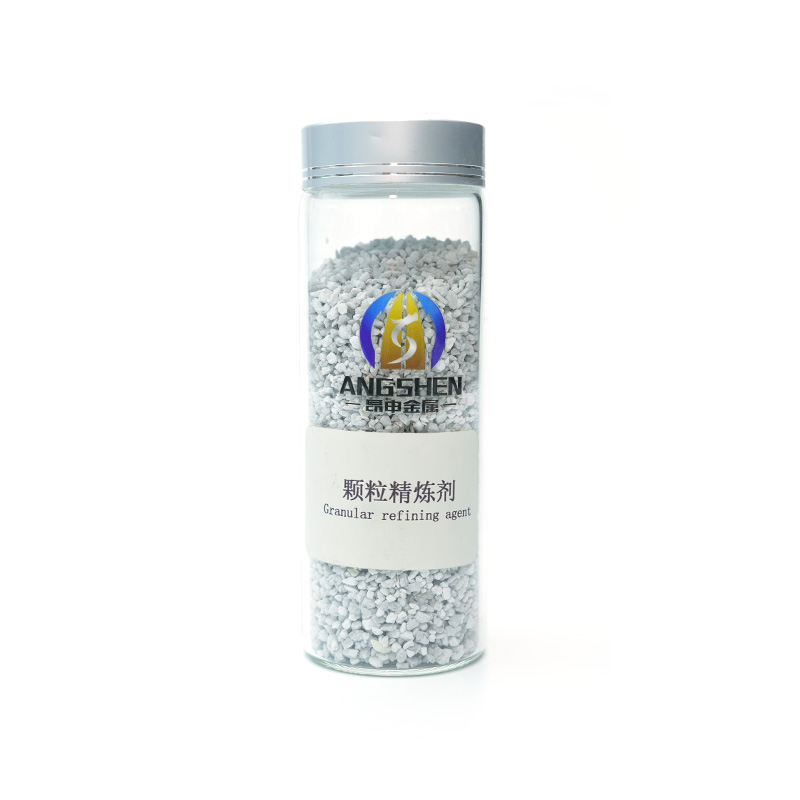
Granule Refining Flux
Granule refining flux is a highly efficient molten refining agent specifically designed for the aluminum alloy smelting process. It is in uniform granular form, facilitating feeding and dispersion. The recommended addition amount is 0.08%-0.15% of the total melt volume. It is effective at refining temperatures of 700-720℃ and above. This refining agent's core characteristic is its environmental friendliness and smokeless operation; it does not produce irritating fumes during the smelting process, significantly improving the workshop working environment. Each bag is packaged in a standard 5 kg form, ensuring precise measurement and convenient on-demand use. Its excellent overall performance effectively improves the purity of molten aluminum, making it an ideal auxiliary material in the aluminum alloy smelting process.
Main Advantages: Environmentally friendly and smokeless, green smelting: This product is effective at temperatures of 700-720℃." The reaction is stable at the above operating temperatures, releasing almost no visible smoke or harmful odors, fully meeting the requirements of modern foundry enterprises for clean production and occupational health and safety, reducing the burden of flue gas treatment at the source.
Outstanding refining effect: Highly efficient refining can be achieved at a low addition level of 0.08%-0.15%, quickly adsorbing and carrying oxide inclusions, slag, and other impurities in the molten aluminum to the surface, forming easily removable dry slag, significantly improving the purity of the molten aluminum, thereby enhancing the mechanical properties and surface quality of aluminum alloy castings.
Particle form, convenient operation: The product is in regular granular form, with good flowability and is not prone to moisture absorption and clumping. It can be evenly sprinkled manually or mechanically during feeding, with rapid dispersion and good contact with the molten aluminum. With a large contact area, it melts rapidly and participates in the reaction, avoiding the drawbacks of powdered refining agents, such as easy dispersion and significant losses.
Wide applicable temperature range: Recommended operating temperature is 700-720℃ and above, covering the temperature range of most aluminum alloy melting, holding, and settling processes. Even at slightly higher melting temperatures, this product maintains stable performance without producing side reactions.
Economical and practical: Pre-packaged in 5 kg bags, facilitating inventory management and cost accounting. The combination of low dosage and high efficiency helps users obtain clean aluminum liquid at a lower cost per ton of aluminum, offering high overall cost-effectiveness.
Product Applications: Granule refining flux is widely used in various aluminum alloy melting processes, especially suitable for casting processes requiring high aluminum liquid cleanliness. Purification treatment of aluminum alloys, wrought aluminum alloys, and recycled aluminum. Specifically, this includes, but is not limited to:
Refining and removing impurities from die-cast aluminum alloys to reduce porosity and shrinkage defects in castings;
Purification of molten aluminum for gravity casting and low-pressure casting to improve casting density and elongation;
Pre-treatment of melt during aluminum rod and profile production to reduce the risk of slag inclusions;
Slag separation during recycled aluminum smelting to improve metal separation efficiency and reduce aluminum loss.
Whether in a centralized smelting furnace, crucible furnace, or reverberatory furnace, adding this refining agent in the temperature range above 700-720℃ can produce clean molten aluminum and dry, easily removable slag, suitable for refining processes in small and medium-sized aluminum processing enterprises and large aluminum plants.
Get A Quote
English
export@dcnt.cn