

 English
  中文简体
中文简体 
ANGSHEN
ANGSHEN
ANGSHEN
ANGSHEN
ANGSHEN
ANGSHEN
ANGSHEN
ANGSHEN
ANGSHEN
ANGSHEN
ANGSHEN
ANGSHEN
ANGSHEN
ANGSHEN
ANGSHEN
ANGSHEN

Flux for Aluminum, Copper & Zinc: How to Match the Right Flux to Every Melting Stage
Content
- 1 What Flux for Aluminum, Copper and Zinc Does in a Melt Shop
- 2 Why Buyers Choose a China Flux for Aluminum Manufacturer
- 3 How to Choose the Right Flux for Aluminum, Copper or Zinc Melting
- 4 Aluminum, Copper and Zinc Flux Product Series
- 5 Which Flux Fits Your Metal: Aluminum vs Copper vs Zinc Compared
- 6 Scenario Guide: Matching Flux to the Job
- 7 Custom and Wholesale Flux for Aluminum, Copper and Zinc
- 8 Partnering with a Trusted Flux for Aluminum, Copper and Zinc Factory
The short answer: match the flux to the specific problem in the melt, not just the metal. Dross separation, refining and degassing, magnesium or calcium correction, and slag-metal separation each need a different formula, dosage and operating temperature, even within aluminum alone. Buyers researching Flux for Aluminum, Flux for Copper or Flux for Zinc should start from the function they need, then confirm the recommended addition rate and temperature window before ordering from a China Flux for Aluminum Manufacturer or Wholesale Flux for Aluminum Factory.
Quick Facts
- Dross separating flux: 0.2 to 0.4 percent, above 700C
- Sodium free refining flux: 0.1 to 0.4 percent, 700 to 740C
- White tablet refining agent: 0.2 to 0.7 percent, 710 to 730C
- Calcium remover flux: 7 to 8 kg per 1 kg calcium removed
- Granule refining flux: 0.08 to 0.15 percent, smokeless
What Flux for Aluminum, Copper and Zinc Does in a Melt Shop
Flux for Aluminum/Copper/Zinc is a functional auxiliary material made from inorganic salts, halides, oxides and other active components, mixed at high temperature and formed into granules, powder or blocks. Its job in a foundry or processing plant is to purify molten metal, separate dross from liquid metal, prevent oxidation, hold temperature and improve wetting during casting. Because aluminum, copper and zinc base alloys oxidize and react differently, a China Flux for Aluminum Factory typically develops separate formulas for each metal family, then further splits the aluminum line into task specific products such as dross separating flux, refining flux and composition correction flux.
Undertreated melt shows up downstream as porosity, shrinkage, hot cracking or slag inclusion in the finished casting. Overtreated melt wastes flux and can leave residual reaction byproducts in the metal. Getting the addition rate and temperature window right the first time is what separates a reliable Custom Flux for Aluminum Manufacturer from a generic supplier.
Why Buyers Choose a China Flux for Aluminum Manufacturer
One Supplier for Every Stage of the Melt
A full line Flux for Aluminum Factory typically covers dross separation, general purification refining, sodium free refining for high plasticity alloys, magnesium depletion, calcium removal, pyrothermic slag-aluminum separation for aluminum ash recovery, and low temperature granule refining for cleaner workshop air. Consolidating orders with a China Flux for Copper Manufacturer or China Flux for Zinc Manufacturer that also produces aluminum flux under one roof simplifies certificate tracking and reduces the number of vendors a purchasing team has to manage.
Consistent Packaging for Every Furnace Size
Packaging is scaled to real furnace sizes, from 1 kilogram bags for small trial furnaces up to 25 kilogram bags for centralized aluminum ash processing. A Wholesale Flux for Aluminum Manufacturer that offers this range lets a plant run laboratory trials and full production batches with the same formula, without switching suppliers between R and D and mass production.
How to Choose the Right Flux for Aluminum, Copper or Zinc Melting
Selecting the correct flux follows the same four step logic regardless of metal type.
- 1
Identify the problem. Is the issue floating dross with entrained metal, dissolved hydrogen and oxide film, or an out of specification element such as magnesium or calcium.
- 2
Match the flux family. Dross separating flux for skimming losses, refining flux for degassing, magnesium depletion or calcium remover flux for composition correction.
- 3
Confirm the temperature window. Most aluminum flux products activate between 700C and 740C, with a few slag-aluminum separation formulas requiring above 720C.
- 4
Calculate the dosage. Use the percentage of melt weight for general refining flux, or a fixed ratio such as 7 to 8 kilograms of calcium remover per kilogram of calcium to be removed.
Aluminum, Copper and Zinc Flux Product Series
The current Flux for Aluminum, Copper and Zinc range is shown below. Each card links to full technical details, recommended dosage and packaging options for that flux.
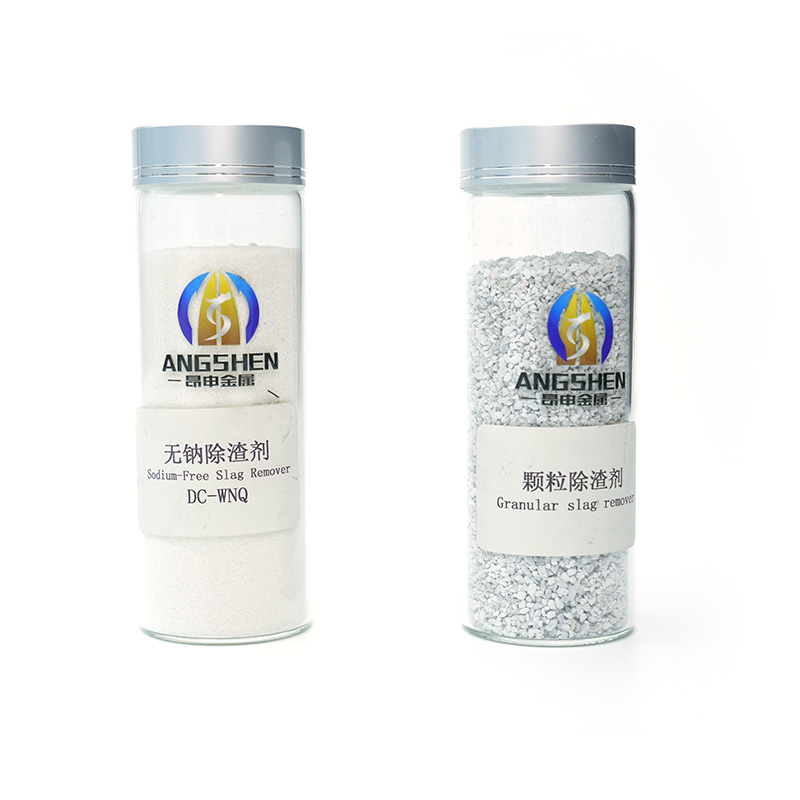
Aluminum Dross Separating Drossing Flux Dross Separation
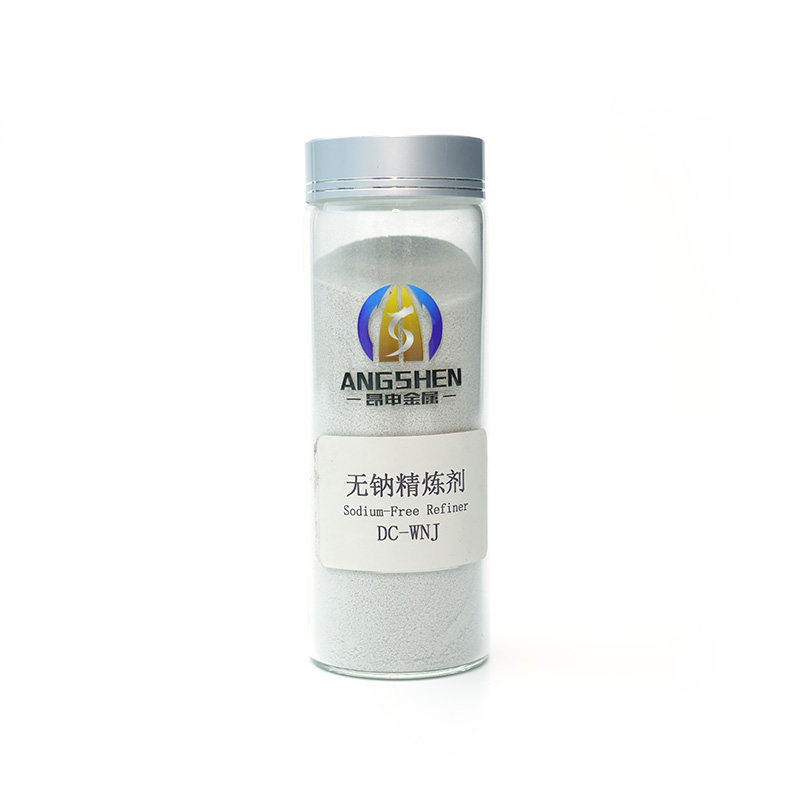
Sodium-free Refining Flux Sodium Free Refining
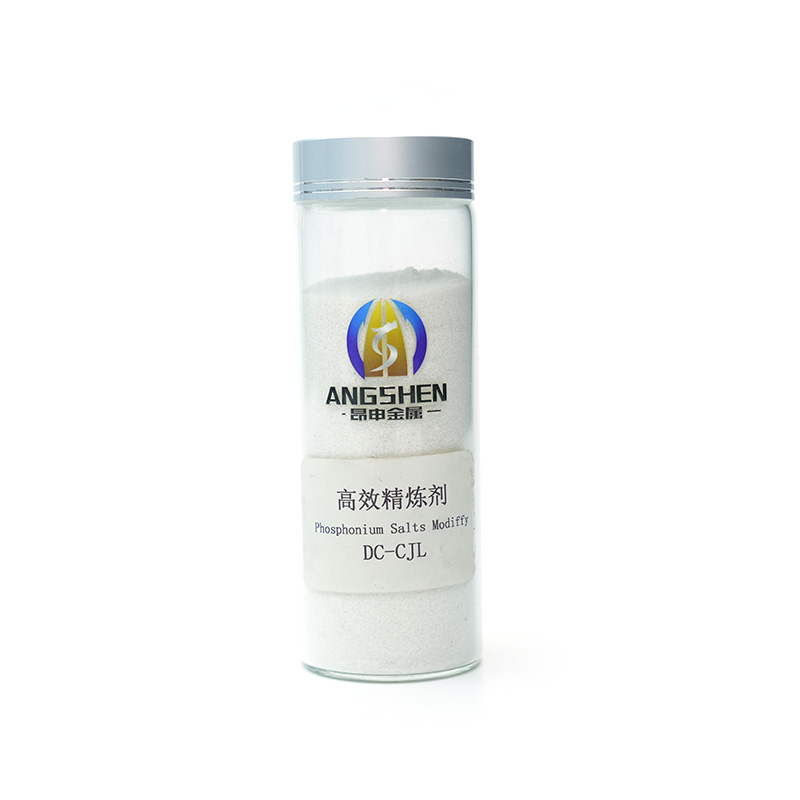
High Efficiency Refining (White Tablet) Degassing
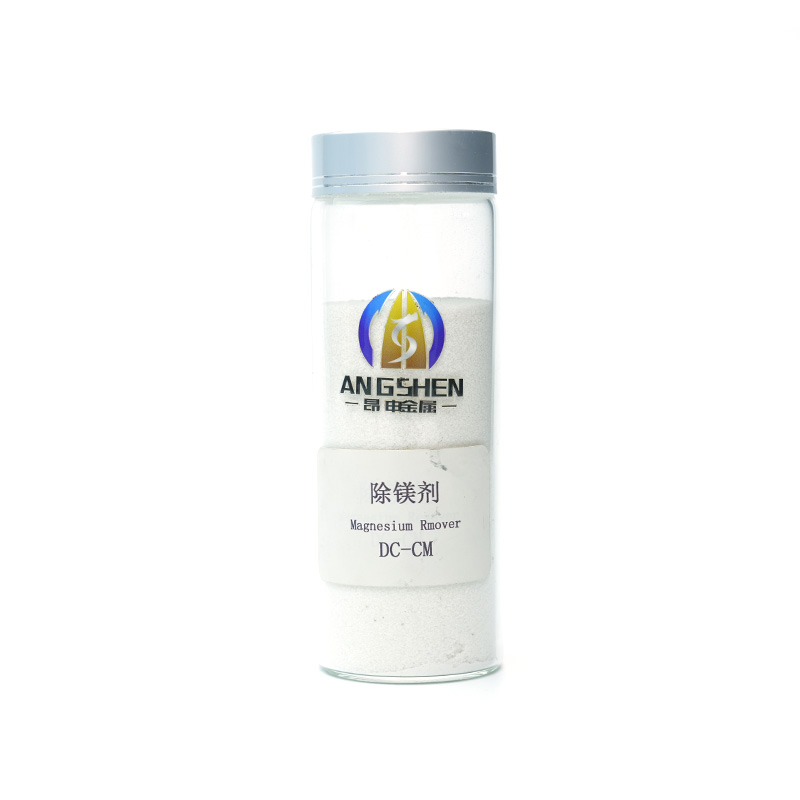
Magnesium Depletion Flux for Aluminum Alloys Composition Correction
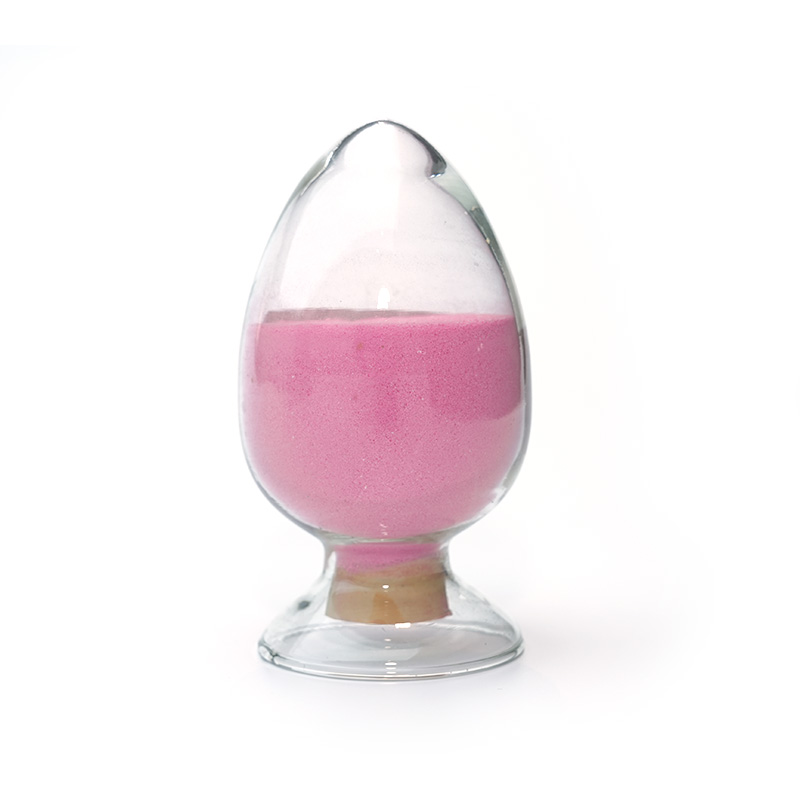
Calcium Remover Flux 1# for Aluminum Alloy Calcium Removal
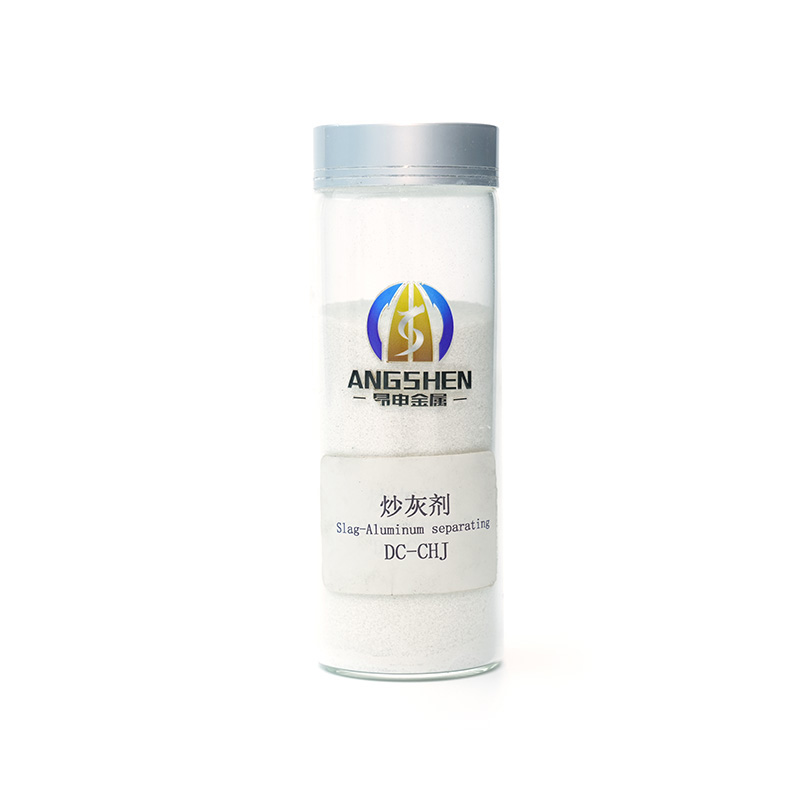
Pyrothermic Slag-Aluminum Separation Flux Aluminum Ash Recovery
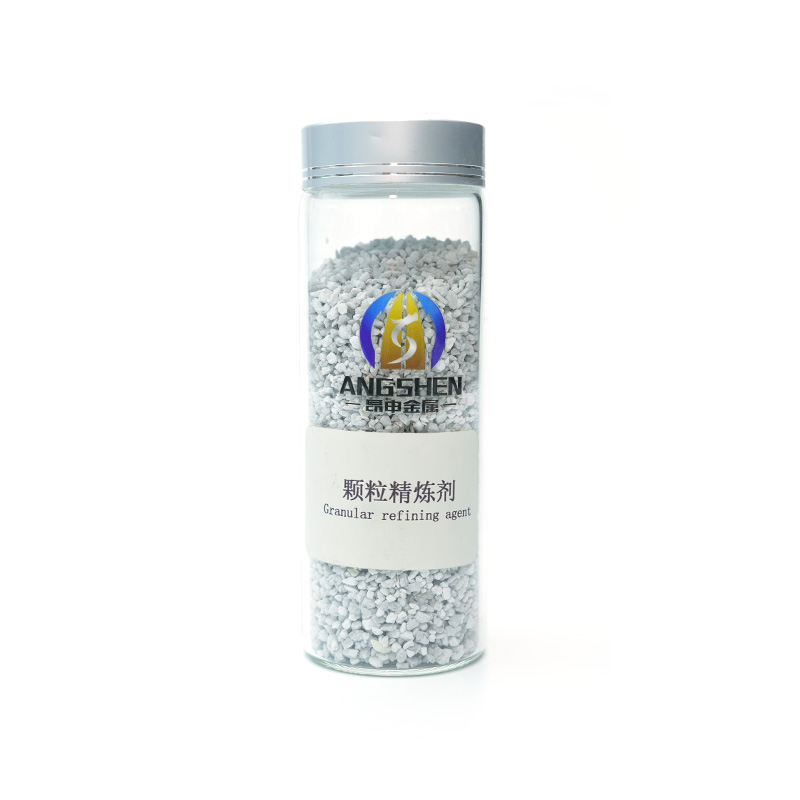
Granule Refining Flux Smokeless Refining
Which Flux Fits Your Metal: Aluminum vs Copper vs Zinc Compared
Aluminum, copper and zinc melts oxidize and react with impurities in different ways, so a China Flux for Copper Factory and a China Flux for Zinc Factory formulate around different chemistry than a Custom Flux for Aluminum Factory, even though the end goal of a clean, well shielded melt is the same.
| Aspect | Flux for Aluminum | Flux for Copper | Flux for Zinc |
| Primary function | Degassing, refining, dross and slag separation | Deoxidizing and melt covering | Covering and surface protection |
| Common challenge solved | Hydrogen porosity, oxide film, excess magnesium or calcium | Oxygen pickup and gas porosity | Oxidation loss and dross formation |
| Compatible processes | Gravity, low pressure and die casting, DC casting, recycled aluminum | Copper alloy melting and casting | Zinc alloy melting and die casting |
Scenario Guide: Matching Flux to the Job
Die Casting and Recycled Aluminum
Dross separating flux is added once melt temperature is stable above 700C, sprinkled over the floating dross at 0.2 to 0.4 percent of melt weight. This is the formula a China Aluminum Dross Separating Drossing Flux Supplier positions specifically for die casting and recycled aluminum operations, where reducing metal trapped in the skimmed dross has a direct effect on recovery rate.
High Purity and Aerospace Grade Aluminum
Sodium-free refining flux avoids introducing sodium into alloys sensitive to grain boundary embrittlement, making it suitable for aluminum-magnesium-silicon and aluminum-magnesium systems, as well as parts headed for anodizing.
Composition Correction
Magnesium depletion flux uses a defined formula, original magnesium percent minus target percent, multiplied by melt weight and by 6 kilograms, to correct over-alloyed magnesium in 6063 or A356 type melts. Calcium remover flux corrects excess calcium at a 7 to 8 kilogram ratio per kilogram of calcium removed, useful when recycled feedstock brings unwanted calcium into the furnace.
Joining and Surface Wetting
Beyond bulk melting, flux formulated for wetting promotion supports joining processes such as aluminum soldering flux applications, where reducing the oxide film on the aluminum surface is what allows filler metal to properly bond.
Process tip: Pyrothermic slag-aluminum separation flux needs a stable system temperature above 720C to activate fully. Running below this threshold is the most common reason plants see incomplete separation and higher than expected aluminum content left in the slag.
Custom and Wholesale Flux for Aluminum, Copper and Zinc
Standard packaging ranges from 1 kilogram and 2.5 kilogram bags for small trial furnaces up to 5 kilogram bags for routine batches and 25 kilogram bags for large scale aluminum ash processing. A Custom Flux for Aluminum Manufacturer can also adjust particle size, packaging weight or reaction temperature range to match a specific furnace type, whether that is a resistance furnace, gas furnace or induction furnace. Wholesale Flux for Aluminum Factory orders should always include a certificate confirming addition rate, activation temperature and recommended storage conditions, since most flux products are moisture sensitive.
Partnering with a Trusted Flux for Aluminum, Copper and Zinc Factory
Nantong Angshen Metal Materials Co., Ltd. is a high tech enterprise manufacturing Aluminum Master Alloys, Metal Tablets and Fluxes from its production base in Nantong, Jiangsu, China, supplying automotive lightweighting, high speed rail, aerospace, shipbuilding, power electronics and industrial machinery customers. For technical data sheets, custom packaging or wholesale order support across the aluminum, copper and zinc flux range, buyers can reach the team directly through the product pages linked above.
PREV:Which Aluminum Alloying Additives Tablets Are Right for Your Melt ShopNEXT:How to Choose a Reliable China Aluminum Master Alloys Manufacturer and Factory?
Interested in cooperation or have questions?

- Quick Link
- HOME
- PRODUCTS
- NEWS
- SOLUTION
- CONTACT US
- Contact information
-
-
wmfan0222@163.com

-
+86-13167461999

+86-18252891222(WhatsApp) -
+86-0513-88275999

-
No.19 HeshunHaian Economic Development Zone, Nantong, Jiangsu, China

-

