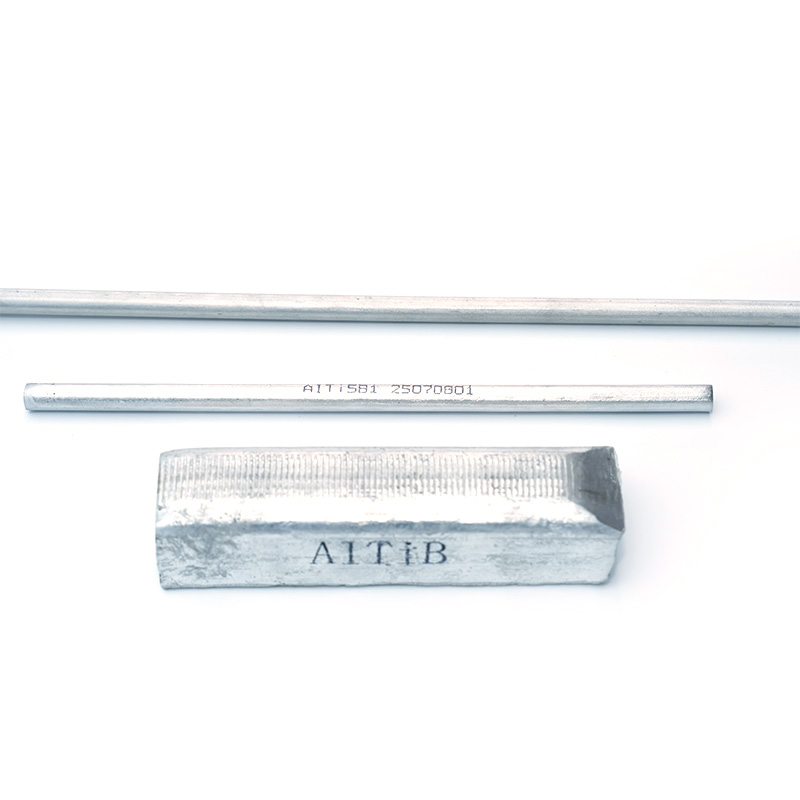
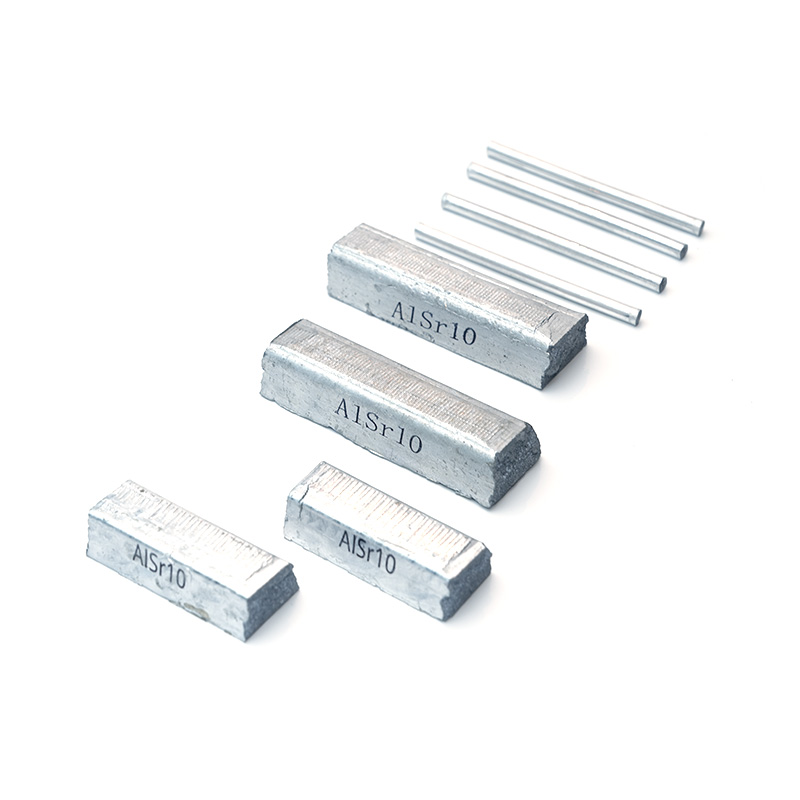
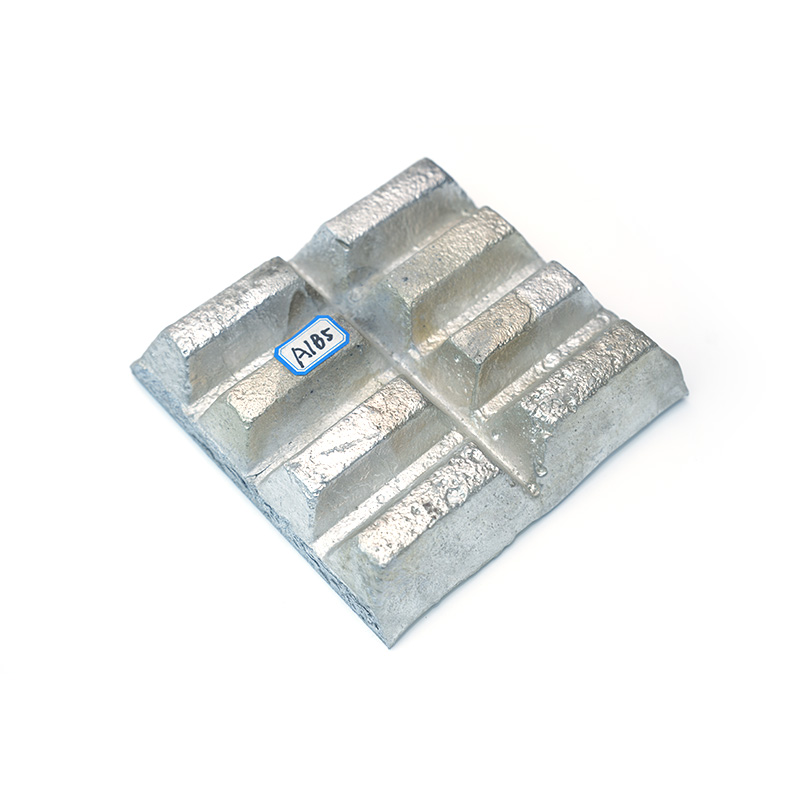
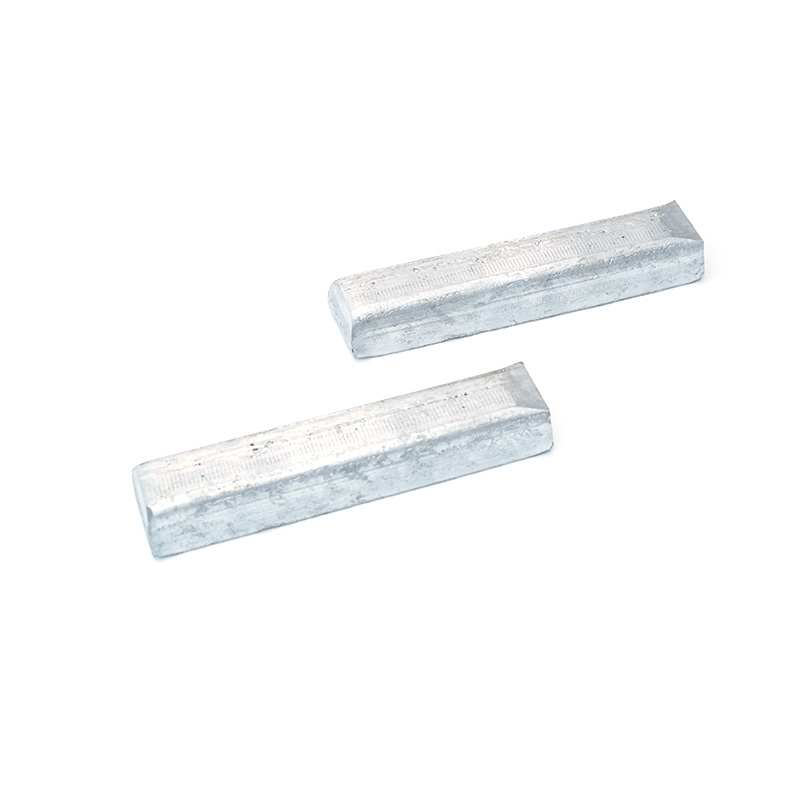
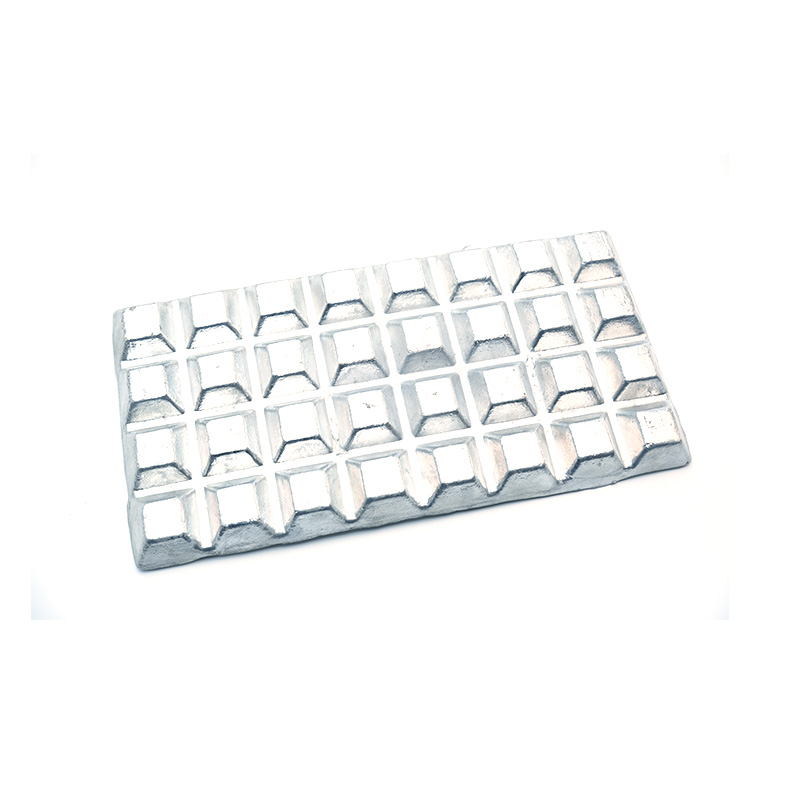
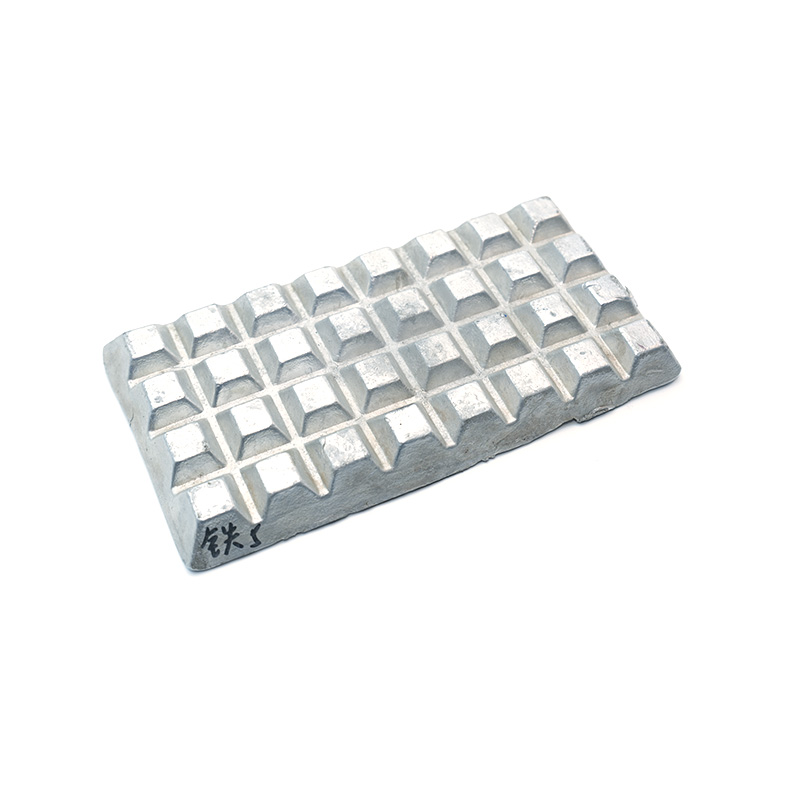
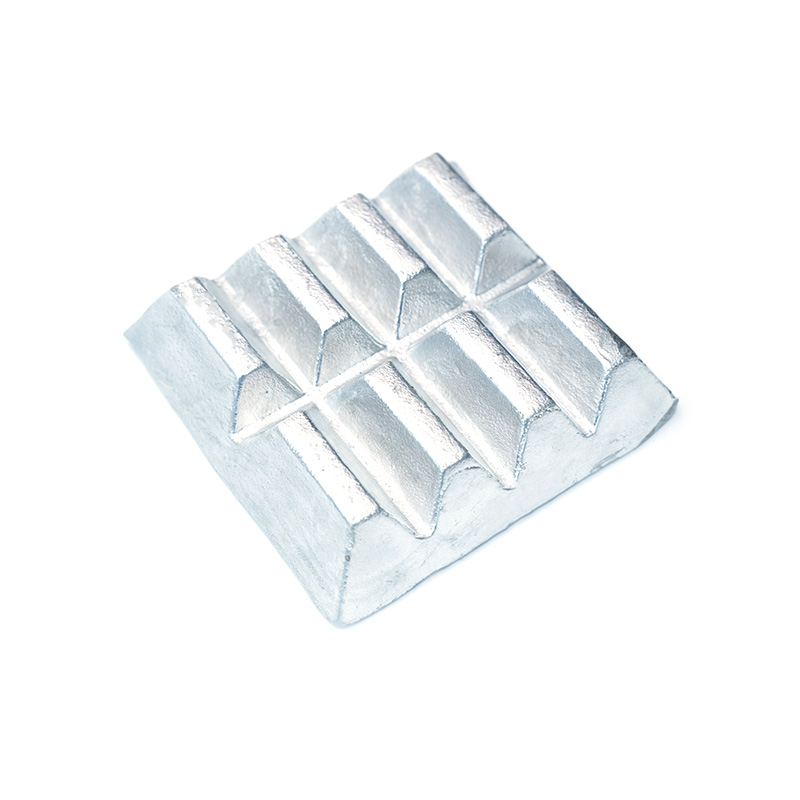
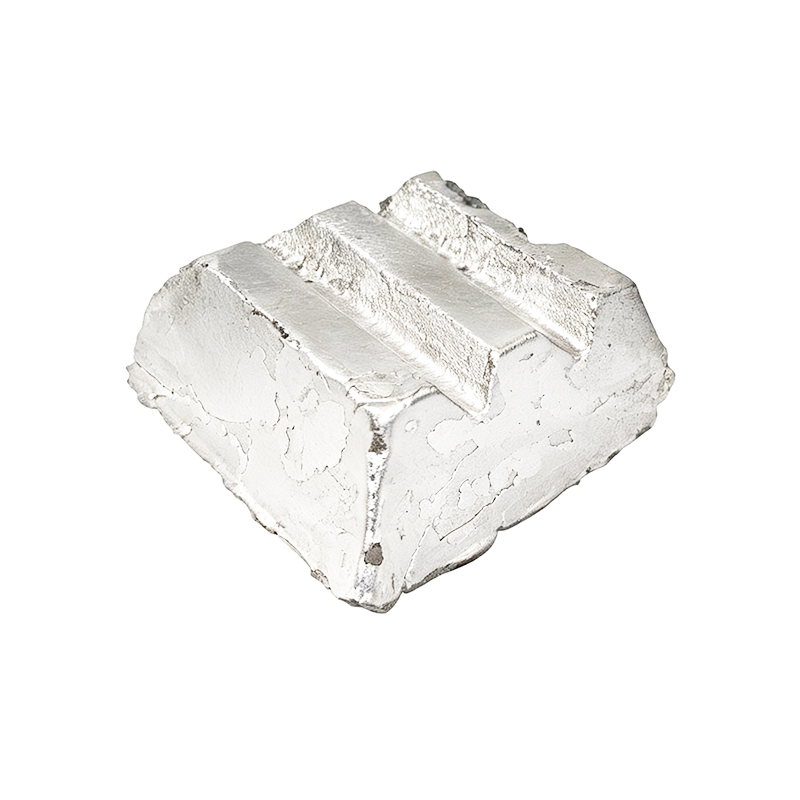
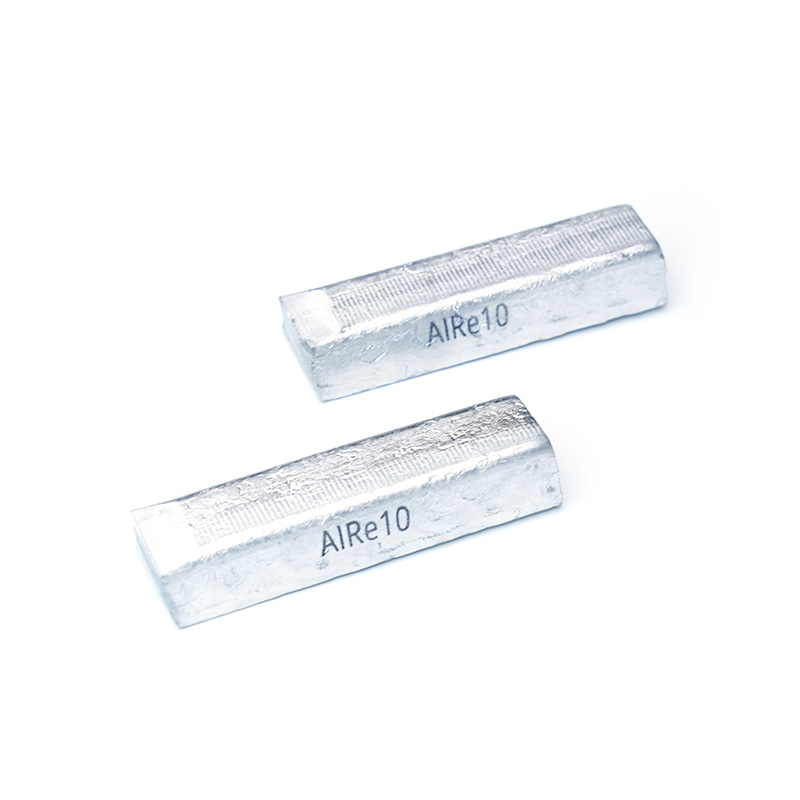
Aluminum Master Alloys are high-concentration aluminum-based composite materials, formulated by melting aluminum with key alloying elements including titanium, boron, silicon, copper, magnesium, zinc and lithium. As essential functional additives in aluminum alloy production, Aluminum Master Alloys address critical issues such as easy burning loss, difficult melting and severe segregation that occur when single elements are added directly to molten aluminum, enabling precise adjustment of the composition and microstructure of aluminum melts. Characterized by a low melting point, high element recovery rate and uniform composition, Aluminum Master Alloys are widely applied in the secondary smelting of aluminum alloys to optimize the mechanical, physical and processing properties of final products. They are the core foundational material for ensuring the quality stability of aluminum alloy castings, extrusions and forgings across industrial manufacturing.
ABOUT US
Nantong Angshen Metal Materials Co., Ltd.
Nantong Angshen Metal Co., Ltd. is a high-tech enterprise specializing in the R&D, manufacturing, and sales of Aluminum Master Alloys, Metal Tablets and Fluxes. Having evolved from applications in traditional non-ferrous metal smelting, we are China Aluminum Master Alloys Manufacturer and Wholesale Aluminum Master Alloys Factory, our products serve as key materials for advanced manufacturing, from automotive lightweighting, high-speed rail, aerospace and shipbuilding, to power electronics, pharmaceutical packaging and industrial machinery.
A 12-tonne aluminium melt sits at 735 °C, 200 kg of manganese tablets go in, the furnace holds for ten minutes, and the spectrometer still comes back 0.12% low on manganese. Ordering more tablets rarely fixes that. The useful questions are narrower: what was the melt temperature at the moment of ad...
When a foundry pours A356 into a permanent mold and sees coarse grain, low elongation, and scattered porosity, the first reaction is often to “add something” to the melt. That reaction can make the problem worse. Aluminum casting additives are not one product; they are a family of materials with di...
A casthouse running 6061 billet at 730°C adds manganese tablets through a bell plunger, waits two minutes, and samples the bath. The lab returns 0.58% Mn against a 0.60-0.70% window. Nothing was wrong with the metal. The tablets simply went into a colder, more oxidised melt than the specification a...
Aluminum Alloying Additives cover the full family of functional materials used to build and refine molten aluminum chemistry, including Aluminum Master Alloys, Aluminum Melting Additives in tablet form, and Metal Flux systems for aluminum, copper and zinc. Together these materials solve the recurring problems of secondary aluminum smelting: elements that burn off before they dissolve, powders that segregate instead of blending evenly, and melts that trap oxide film, hydrogen and unwanted trace elements. Nantong Angshen Metal Materials Co., Ltd. formulates and presses this entire additive chain in-house, giving foundries, extrusion plants and die casters one source for grain refiners, modifiers, hardener tablets and purification flux rather than several disconnected suppliers.
Aluminum Master Alloys: Building Composition Without Burn-Loss
Aluminum Master Alloys are high-concentration aluminum-based composite materials made by melting aluminum together with key alloying elements such as titanium, boron, silicon, copper, magnesium, zinc, lithium, vanadium, zirconium, chromium, iron, strontium and rare earth. Adding these elements directly to a melt in pure form tends to cause burning loss, slow or incomplete melting and heavy segregation. A master alloy carries the element inside an aluminum matrix instead, which lowers the effective melting point, raises recovery, and keeps the composition uniform through the pour. This is the core reason Nantong Angshen Metal Materials positions Aluminum Master Alloys as the foundation material for castings, extrusions and forgings that must hit tight composition windows batch after batch.
Different elements are supplied in different physical forms depending on how the melt shop feeds the furnace. Stick and coil forms are built for online automatic addition on continuous casting lines; waffle ingots are sized for manual batch addition; cast cut bar (CCB) works with either automated feeders or flexible manual cutting. The table below sets out the grade families Nantong Angshen Metal Materials currently supplies under this product line.
Master Alloy
Grades
Forms Supplied
Feed Rate
Core Function
Aluminum Titanium Boron
Ti5B1 / Ti5B0.2 / Ti3B1
Stick, coil, waffle ingot, CCB
0.4% to 0.6%
Grain refinement
Aluminum Strontium
Sr5 / Sr10 / Sr15 / Sr20
Stick, coil, waffle ingot, CCB
1% to 2%
Modification of AlSi alloys, Si below 13%
Aluminum Boron
B3 / B5 / B8
Waffle ingot, CCB
As required
Decrease resistivity, grain refinement
Aluminum Vanadium
V5 / V10
Waffle ingot
As required
Grain refinement, improve strength
Aluminum Zirconium
Zr5 / Zr10
Waffle ingot, CCB
As required
Grain refinement, improve strength
Aluminum Iron
Fe15 / Fe20
Waffle ingot
As required
Adjustment of alloy composition
Aluminum Chromium
Cr5 / Cr10
Waffle ingot
As required
Adjustment of composition, improve ductility
Aluminum Silicon
Si20 / Si50
Waffle ingot
As required
Adjustment of composition, improve performance
Aluminum Rare Earth
Re10
Waffle ingot, CCB
0.3% to 1.5%
Grain refinement, improve ductility
Two examples show how the grade system works in practice. Al-Ti-B is offered in three ratios, Ti5B1, Ti5B0.2 and Ti3B1, so a plate and strip producer running continuous casting can select the ratio that matches its target grain size, while a batch foundry running A356 or 6xxx alloys picks the waffle ingot or CCB form of the same family. Al-Sr, meanwhile, is graded Sr5 through Sr20 specifically because strontium modification of Al-Si eutectic silicon needs to match the base silicon level and the number of remelt cycles the metal will see; strontium modification lasts longer through multiple pours than sodium modification, which is why recycled aluminum casters lean on it to keep elongation stable across remelts.
Aluminum Alloying Additives Tablets: Precision in a 500 Gram Block
Where master alloys carry an element inside an aluminum matrix, Aluminum Alloying Additives Tablets take a different route: pure metal powder is mixed with flux or aluminum powder in a set proportion and compacted into a dense block. This tablet format is built for the aluminum melting additives task of fine composition correction late in the smelting cycle, when a shop needs to nudge one element up without disturbing the rest of the chemistry. Nantong Angshen Metal Materials produces this line as a standardized 500 gram block with fully customizable weights available for automated feeding lines, which keeps furnace-side counting and dosing simple for operators who are not working from an electronic scale.
Tablet
Grades
Standard Weight
Melt Temperature
Recovery Rate
Manganese Tablets
Mn series
500 g, customizable
720 to 760 C
90% minimum, up to 95%
Iron Tablets
Fe75 / Fe80
500 g, customizable
720 to 760 C
90% minimum, up to 95%
Chromium Tablets
Cr75 / Cr80
500 g, customizable
720 to 760 C
90% minimum, up to 95%
Titanium Tablets
Ti75 / Ti80
500 g, customizable
720 to 760 C
90% minimum, up to 95%
Fusible Silicon Tablets
Silicon series
500 g, customizable
720 to 760 C
90% minimum, up to 95%
Copper Tablets
Cu75 / Cu80
500 g, customizable
720 to 760 C
90% minimum, up to 95%
Zirconium Tablets
Zr75 / Zr80
500 g, customizable
720 to 760 C
90% minimum, up to 95%
The shared 720 to 760 C melt window across the tablet range means a workshop does not have to reset furnace temperature every time it switches between manganese for 3000 series strength and corrosion resistance, titanium for grain refining and fatigue improvement, or chromium for corrosion resistance and surface hardness in wheel and structural alloys. Because the additive arrives as a solid pressed block rather than loose powder, it resists moisture pickup and dust loss during storage and transport, and the minimum 90 percent element recovery rate that Nantong Angshen Metal Materials builds into every tablet grade limits how much extra material a plant has to buy to hit target chemistry.
Metal Flux and Aluminum Flux for Melt Purification
Flux for Aluminum, Copper and Zinc is formulated from inorganic salts, halides, oxides and other active components, mixed at high temperature and finished as granules, powder or pressed blocks. Its job runs across the whole melt cycle: purifying molten metal, pulling dross away from usable metal, preventing oxidation, holding temperature and improving wetting. Nantong Angshen Metal Materials builds this range around specific problems rather than one general-purpose bag, which lets a foundry combine a dross separator, a refiner and a targeted element remover to solve several melt-quality issues in a single production run.
Flux Product
Dosage
Melt Temperature
Packaging
Primary Role
Aluminum Dross Separating Drossing Flux
0.2% to 0.4%
Above 700 C
1 kg / 2.5 kg / 5 kg
Separates oxide dross from liquid aluminum
Sodium-free Refining Flux
0.1% to 0.4%
700 to 740 C and above
1 kg / 2.5 kg / 5 kg
Refining without sodium embrittlement risk
High Efficiency Refining, White Tablet
0.2% to 0.7%
710 to 730 C and above
500 g block
Degassing and refining, pure aluminum and common alloys
The Magnesium Depletion Flux and both Calcium Remover flux products stand out because Nantong Angshen Metal Materials publishes an exact dosing formula rather than a rule-of-thumb range. Magnesium reduction is calculated as the percentage-point drop required, multiplied by the total melt weight, multiplied by 6 kilograms per ton per percentage point, while calcium removal runs at 7 to 8 kilograms of flux for every 1 kilogram of calcium that needs to come out. For a recycled aluminum operation correcting an over-magnesium or over-calcium melt from mixed scrap feedstock, that kind of formula-based dosing turns a trial-and-error correction into a single calculation before the flux ever goes into the furnace.
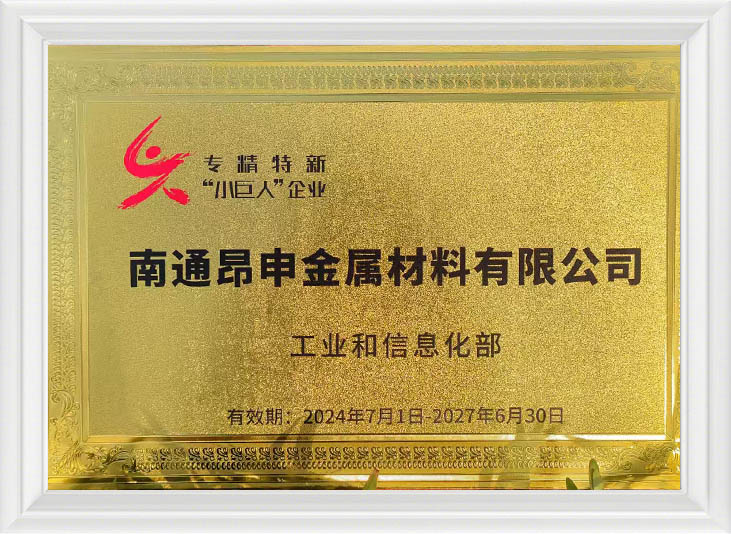
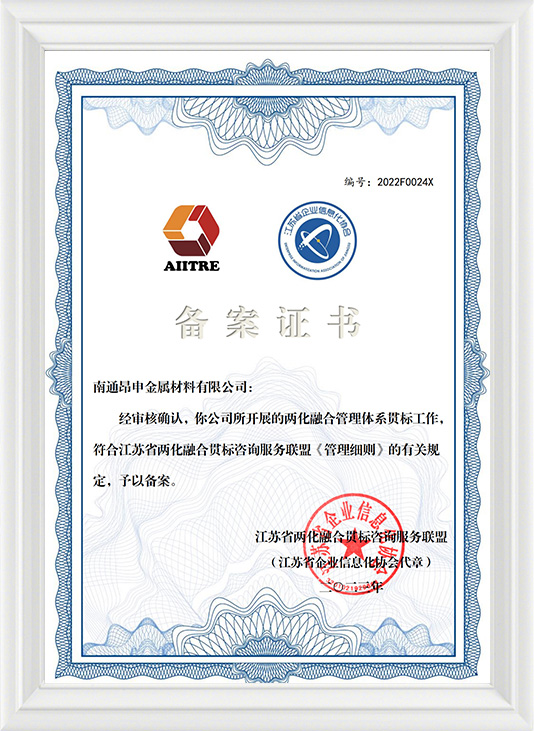
Little Giant Enterprise
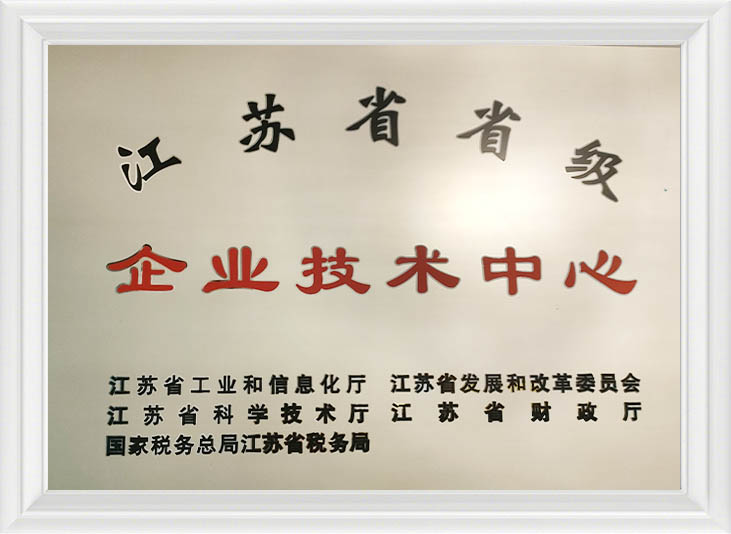
Corporate Technology Center
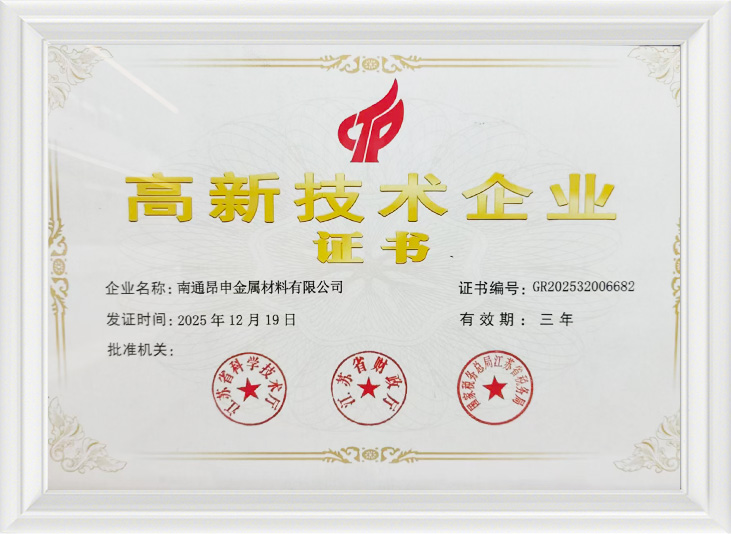
High-Tech Enterprise
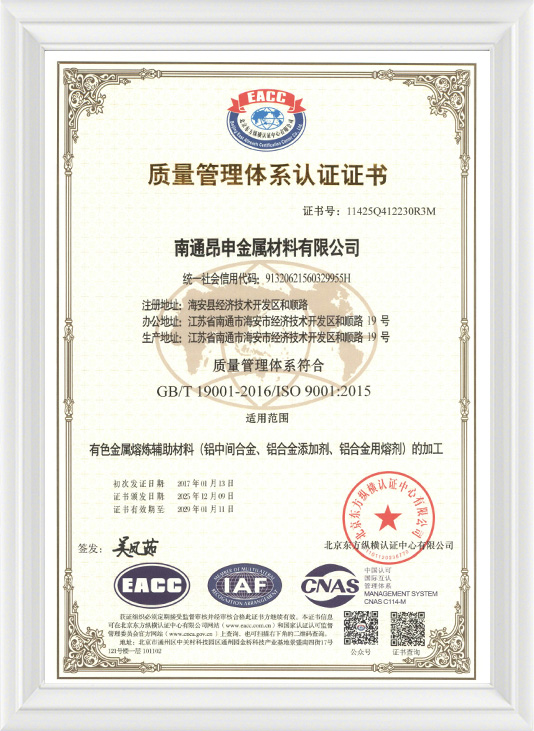
Quality Management System
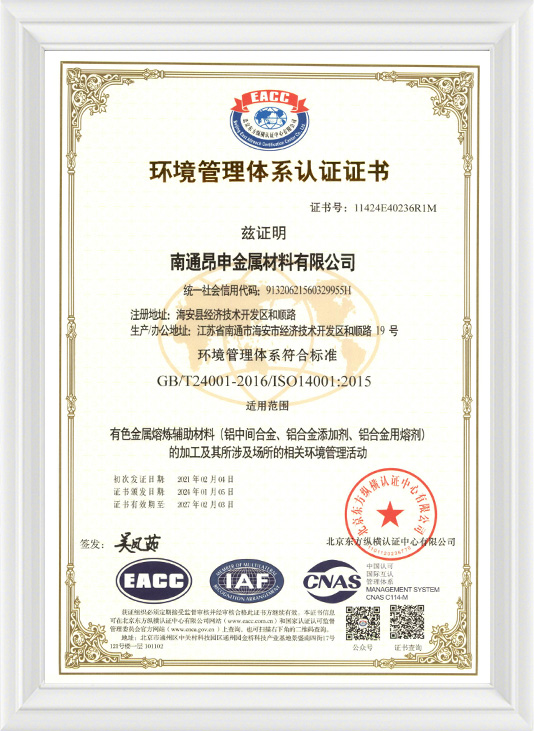
Environmental Management System
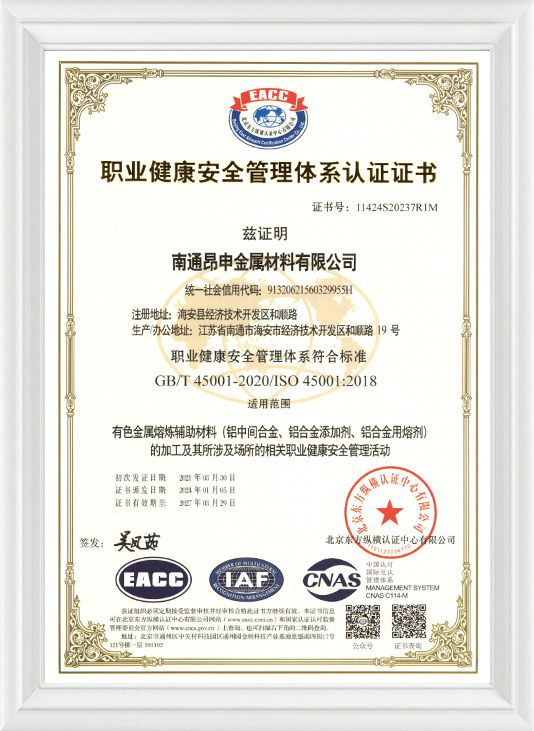
Occupational Health and Safety Management
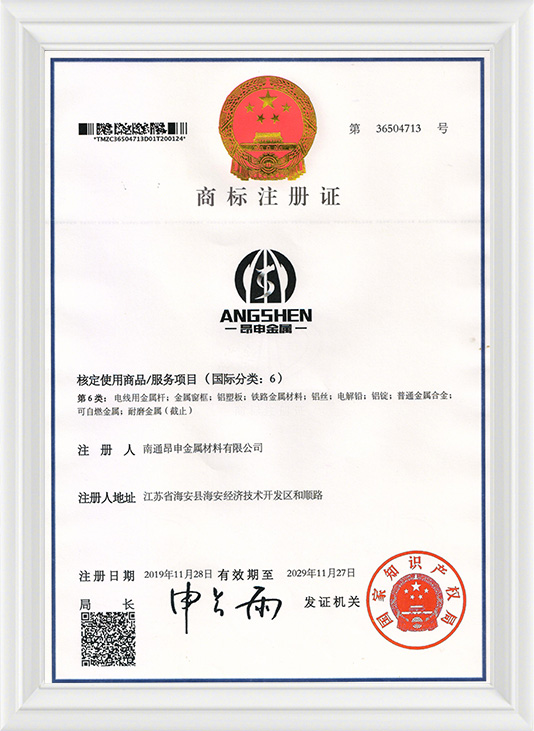
Trademark Registration Certificate
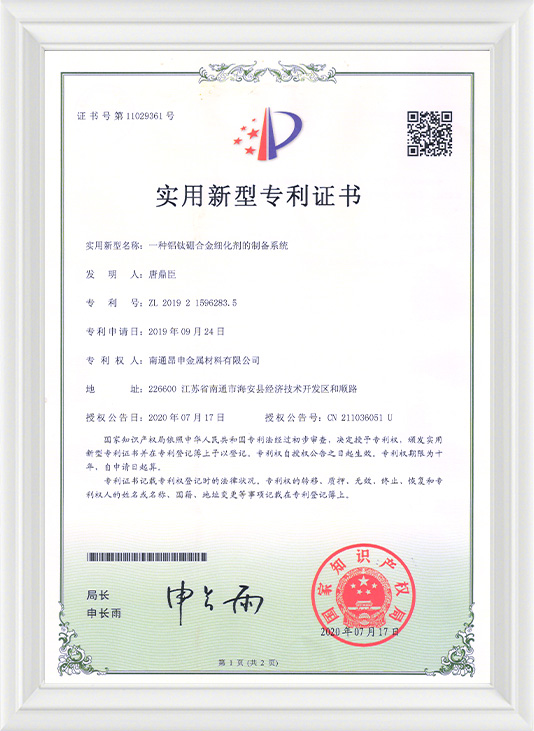
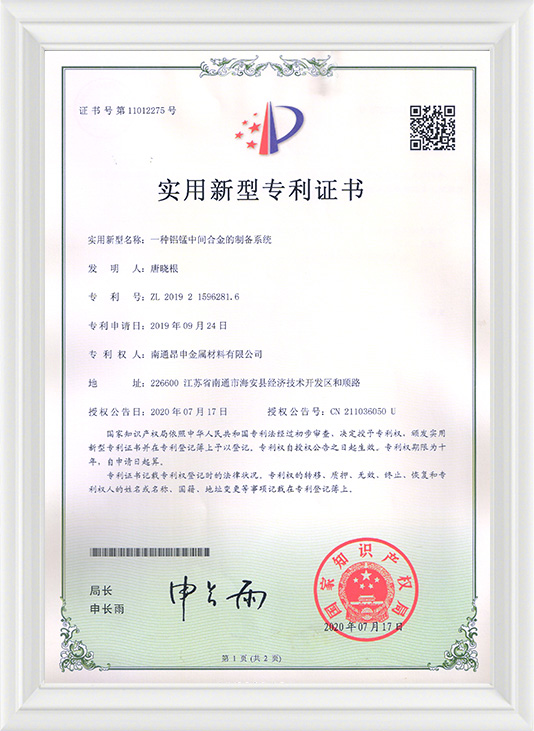
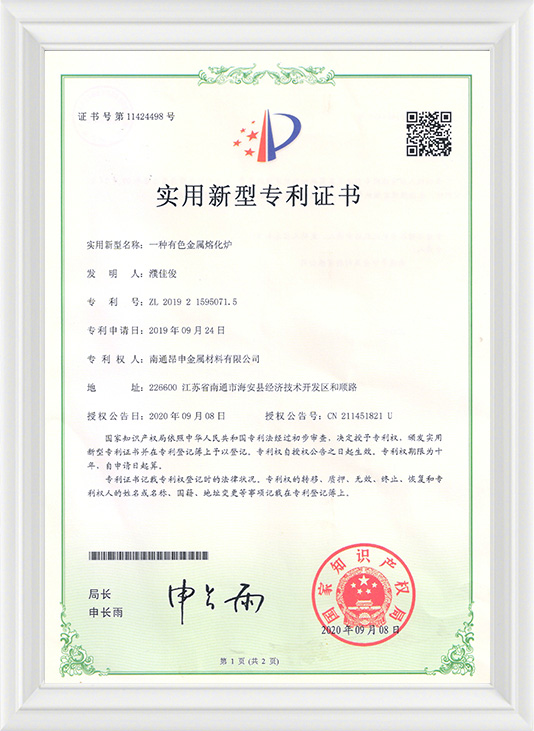
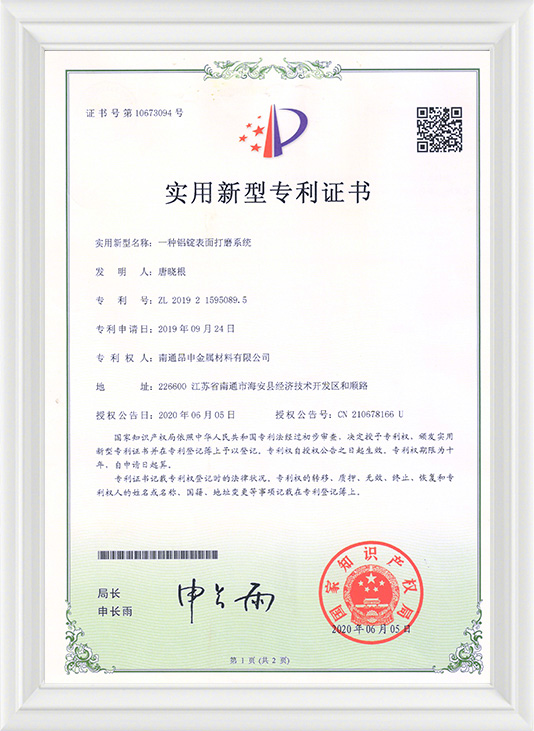
Utility Model Patent Certificates
Because Nantong Angshen Metal Materials manufactures across the full additive chain, technical support for a given order can trace an issue back to the right stage of the process, whether the root cause sits in element selection at the master alloy stage, dosing at the tablet stage, or melt cleanliness at the flux stage. This is the practical reason buyers sourcing Aluminum Alloying Additives from Nantong Angshen Metal Materials can request grade and form combinations, such as CCB for a continuous casting-rolling line paired with waffle ingot stock for batch furnaces, within one purchase order.
Frequently Asked Questions
What is the difference between Aluminum Master Alloys and Aluminum Alloying Additives Tablets
Master alloys carry the alloying element dissolved inside an aluminum matrix, formed as stick, coil, waffle ingot or CCB, and are sized for grain refinement and modification tasks with defined feed rates such as 0.4% to 0.6% for Al-Ti-B. Tablets press pure metal powder with flux into a fixed 500 gram block and are used for direct, late-stage composition correction of a single element such as manganese, iron, chromium, titanium, silicon, copper or zirconium.
Which product form suits a continuous casting line versus a batch smelting furnace
Stick and coil forms of Aluminum Master Alloys are built for online automatic addition on continuous casting and casting-rolling lines. Waffle ingot suits manual batch addition with a standardized single-piece weight, while CCB accommodates either automated feeding or flexible manual cutting, so the same alloying element can be sourced in the form that matches the furnace type.
How is the correct dosage of aluminum flux calculated
Most flux products from Nantong Angshen Metal Materials are dosed as a percentage of total melt weight, for example 0.2% to 0.4% for the Aluminum Dross Separating Drossing Flux or 0.08% to 0.15% for the Granule Refining Flux. The Magnesium Depletion Flux and the Calcium Remover flux products instead use a direct formula, such as 7 to 8 kilograms of calcium remover for every 1 kilogram of calcium to be removed, calculated from a pre-furnace composition test.
What packaging sizes are available for tablets and flux
Aluminum Alloying Additives Tablets ship as a standard 500 gram block with customizable weights on request. Flux products are packed by application: dross and refining flux commonly come in 1 kg, 2.5 kg and 5 kg bags, magnesium and calcium correction flux in 5 kg bags, and the Pyrothermic Slag-Aluminum Separation Flux in 25 kg bags for larger aluminum ash processing volumes.
Which industries use these aluminum alloying materials from Nantong Angshen Metal Materials
Nantong Angshen Metal Materials lists automotive lightweighting, high-speed rail, aerospace and shipbuilding, power electronics, pharmaceutical packaging and industrial machinery as end markets for its Aluminum Master Alloys, Aluminum Alloying Additives Tablets and Flux for Aluminum, Copper and Zinc.
What quality certifications does Nantong Angshen Metal Materials hold
The company holds Little Giant enterprise recognition, operates a Corporate Technology Center, and carries High-Tech Enterprise status. Its management systems are certified for quality, environmental performance and occupational health and safety, and its product development is protected by multiple Utility Model Patent Certificates alongside registered trademark documentation.



 English
  中文简体
中文简体 
 wmfan0222@163.com