

 English
  中文简体
中文简体 
ANGSHEN
ANGSHEN
ANGSHEN
ANGSHEN
ANGSHEN
ANGSHEN
ANGSHEN
ANGSHEN
ANGSHEN
ANGSHEN
ANGSHEN
ANGSHEN
ANGSHEN
ANGSHEN
ANGSHEN
ANGSHEN

How to Choose Alloying Additive Tablets for Aluminum Melting: A Practical Guide
Content
- 1 Tablets vs. Master Alloys vs. Raw Metal Additions
- 2 Key Specifications to Evaluate Before You Buy
- 3 Matching Tablets to Alloy Families and Melt Practice
- 4 A Closer Look at Common Tablet Grades
- 5 Storage, Handling, and Melt Shop Compatibility
- 6 Total Cost: Look Beyond the Unit Price
- 7 What to Ask a Supplier
- 8 Frequently Asked Questions
An alloying additive tablet is a compacted blend of metal powders, a flux carrier, and a binder, pressed so that it sinks quickly into molten aluminum and dissolves in a controlled way. When the tablet is plunged below the melt surface, the flux breaks through the oxide layer, the metal powders wet and dissolve, and the target element disperses evenly through the bath.
Tablets differ from master alloys in two important ways. First, a master alloy is aluminum that already carries the element in solution, so adding it is precise but dilutes your melt chemistry when the composition budget is tight. Second, master alloys cost more per kilogram of added element. Raw metal additions such as manganese lumps are cheaper on paper, but they dissolve slowly and unevenly, which is exactly what happened in the furnace log example above.
Tablets vs. Master Alloys vs. Raw Metal Additions
For simple element additions, alloying additive tablets sit in a practical middle ground. The table below summarizes how the three addition forms compare in daily melt shop use.
| Criterion | Alloying additive tablet | Master alloy | Raw metal addition |
|---|---|---|---|
| Active element content | 70–90% of tablet weight | 3–20% of alloy weight | 90–100% |
| Melt dilution | Negligible | Adds aluminum to the heat | Negligible |
| Typical dissolution time | 5–15 minutes | Fast, but increases melt volume | Slow, often needs 30+ min soak |
| Element recovery rate | 88–97% depending on element | 98% and above | 70–85%, inconsistent |
| Dross generation | Low | Minimal | High |
| Storage and shelf life | Stable, non-hygroscopic | Stable | Bulk metal, oxide buildup |
| Cost per kg of added element | Moderate | Highest | Lowest |
None of this means tablets replace master alloys everywhere. Grain refiners such as aluminum-titanium-boron master alloy still offer performance benefits when you need a fully pre-alloyed product. For straightforward element additions where recovery and speed matter, tablets are usually the better trade-off.
Key Specifications to Evaluate Before You Buy
Four specifications decide whether a tablet performs in your melt shop: active element concentration, recovery rate, dissolution performance, and flux chemistry.
Active Element Concentration and Consistency
The tablet label may say 75% manganese, but the real value in each batch is what matters. If the actual concentration drifts to 72% or 78%, your addition calculation is wrong and your final analysis will drift too. Ask the supplier for the tolerance range and for recent certificates of analysis. A serious manufacturer controls batch-to-batch variation tightly and can show you the records.
Element Recovery Rate
Recovery rate is the share of the tablet's element that actually ends up in the melt. Well-made tablets typically recover 88–97%, depending on the element: copper recovers above 96%, manganese around 94%, and chromium closer to 88%. Low-quality tablets lose more to dross and slag, which means you pay for metal that never reaches your alloy.
Typical recovery rates of well-made alloying additive tablets.
Dissolution Performance
Dissolution time at the recommended melt temperature is the second major variable. A good tablet completes dissolution in 8–10 minutes at 730°C for most elements; a poorly compacted or badly formulated tablet can float, form sludge, and still be undissolved after 15 minutes. The result is a longer furnace cycle, more stirring, and a higher risk of segregation.
Dissolution progress at 730°C for two iron tablets of similar size.
Flux Chemistry
The flux package is what carries the element into the melt. Check whether the product is non-hygroscopic — if it absorbs moisture, you risk gas pickup and steam reaction when the tablet is plunged. Also confirm whether the flux is sodium-free if you cast alloys for aerospace or other applications with a sodium limit. A reputable supplier will state both properties on the datasheet.
Matching Tablets to Alloy Families and Melt Practice
Different alloy families call for different tablet chemistries. The general rule is to choose the element first, then verify that the tablet form dissolves reliably in your melt temperature range.
Titanium for Grain Refinement
Titanium is added in small amounts, usually 0.01–0.15%, to refine the as-cast grain structure of billets and rolling ingots. The tablet form is useful because the element reaches the melt quickly and stays evenly dispersed; a slow-dissolving addition would create local titanium-rich regions and defeat the purpose.
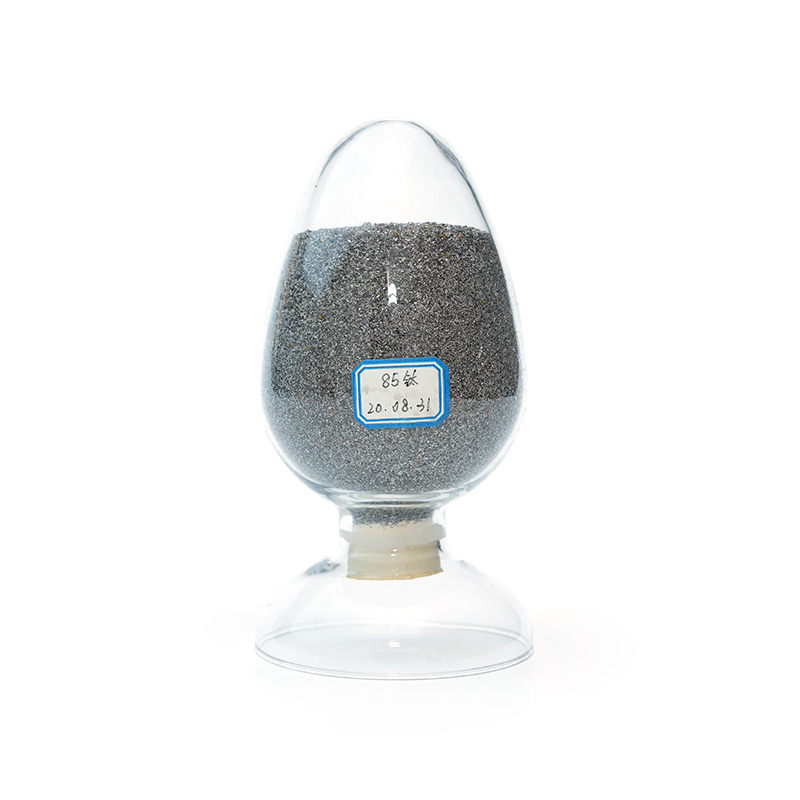 Titanium Tablets for Precise Grain Refinement in Aluminum MeltsThese compact Ti75/Ti80 tablets deliver titanium efficiently in 720–760°C melts, supporting the grain refinement and uniformity needed for aerospace and automotive alloys. Recovery over 90% helps maintain consistent composition.View Product →
Copper for High-Strength Alloys
Copper strengthens 2xxx-series alloys and many casting alloys, with typical additions from 0.5% up to about 4%. Copper tablets are favored because recovery often exceeds 96%, and they avoid the melt dilution that comes with a copper master alloy. In high-strength applications, consistent copper recovery also protects the mechanical properties of the final casting or wrought product.
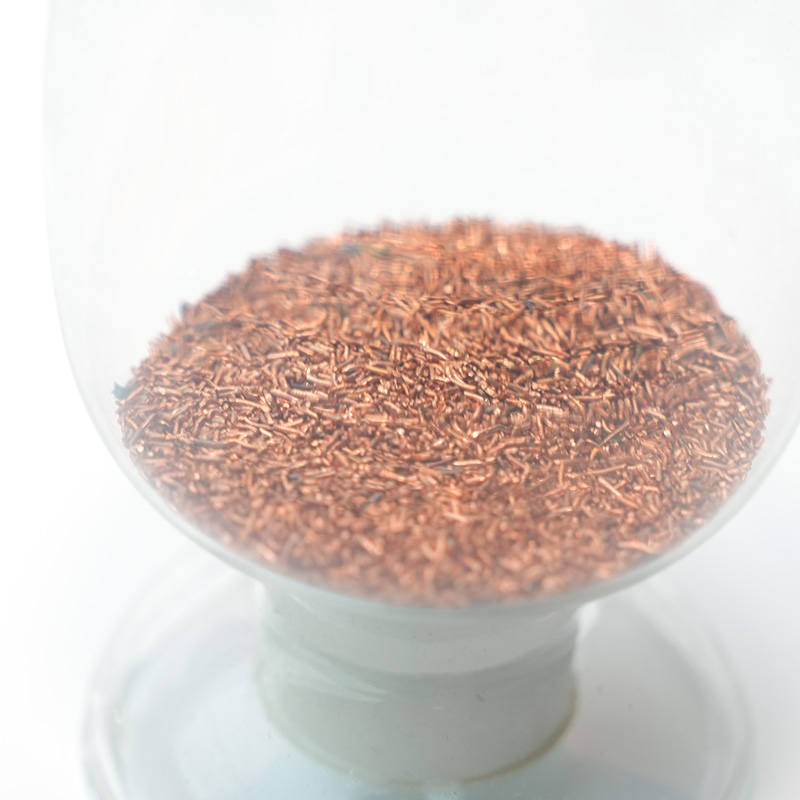 Copper Tablets for High-Recovery Aluminum AlloyingThese Cu75/Cu80 tablets offer reliable copper additions with recovery above 90%, suiting 2xxx and casting alloys where consistent mechanical properties matter. Their 500g format simplifies melt scheduling and composition control.View Product →
Manganese for Strength and Impurity Control
Manganese counteracts the harmful effect of iron in recycled aluminum, where it modifies brittle iron-rich intermetallic phases, and it contributes to strength in 3xxx- and 5xxx-series alloys. Typical additions run from 0.3% to 1.5%. A manganese tablet with a proper flux package prevents the slow, uneven dissolution that causes furnace scheduling headaches and off-spec heats.
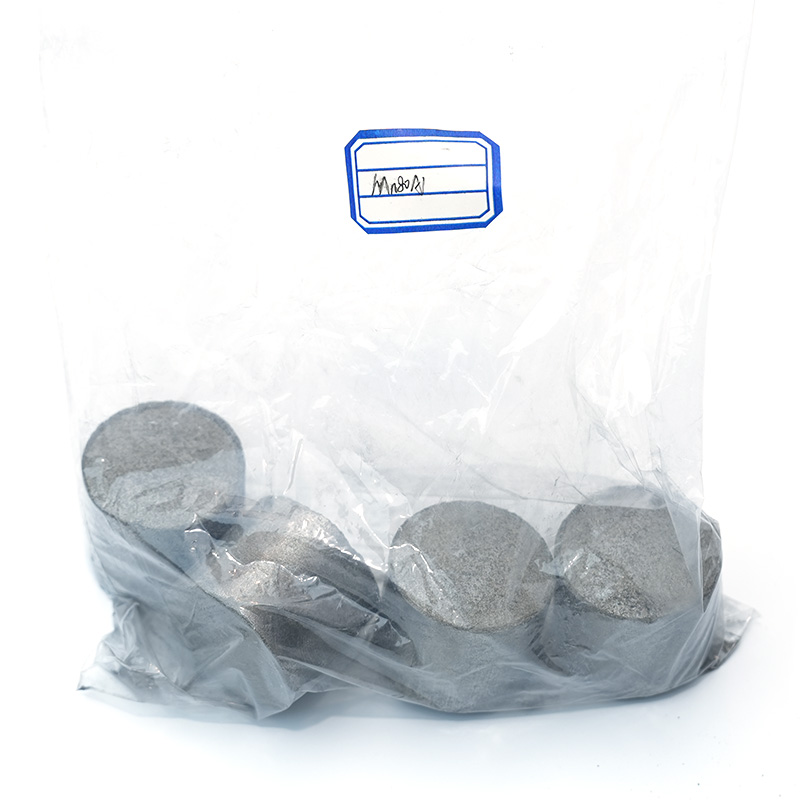 Manganese Tablets for Strength and Iron-Phase Control in AluminumDesigned for precise manganese additions in 3xxx and 5xxx alloys, these tablets promote uniform dissolution and high recovery, helping counteract iron impurities and support consistent durability in automotive and construction parts.View Product →
If you are still weighing which grades to stock, this practical overview of choosing alloying additive tablets for your melt walks through the decision step by step.
A Closer Look at Common Tablet Grades
Beyond titanium, copper, and manganese, melt shops regularly use iron, chromium, silicon, and zirconium tablets. The table below summarizes the typical addition ranges and the main reason each element is added.
| Element | Typical addition range | Main role | Common alloy families |
|---|---|---|---|
| Mn | 0.3–1.5% | Strength, modifies iron-rich intermetallics | 3xxx, 5xxx |
| Cu | 0.5–4.0% | Strength, machinability | 2xxx, casting alloys |
| Ti | 0.01–0.15% | Grain refinement | All series |
| Fe | 0.2–0.8% | Hardness control, prevents die sticking | 1xxx, casting alloys |
| Cr | 0.1–0.4% | Corrosion resistance, grain control | 5xxx, 7xxx |
| Si | 5.0–13% | Fluidity, casting properties | 4xxx, casting alloys |
| Zr | 0.05–0.3% | Recrystallization control, toughness | 7xxx |
Each grade needs a flux formulation matched to the element, because manganese, chromium, and silicon behave very differently in molten aluminum. A product range that has been developed as a family, rather than assembled from third-party powders, is more likely to give consistent results across grades.
Storage, Handling, and Melt Shop Compatibility
Even the best tablet will underperform if it is stored or handled incorrectly. Keep tablets in their original sealed packaging in a dry area. Non-hygroscopic products still absorb some moisture over time if the packaging is opened, and moisture in the melt is the most common cause of gas porosity and operator safety concerns.
On the shop floor, follow the supplier's recommended addition temperature and plunging practice. Most tablets are designed for a melt temperature of 720–750°C. Too low, and the tablet floats or forms sludge; too high, and the element oxidizes before it dissolves. Use a proper plunging bell, stir after the tablet has dissolved, and allow enough time for degassing and homogenization before casting. Also match tablet weight to batch size — a 500 g tablet in a 1-ton furnace gives you a convenient 0.5 kg step for fine-tuning chemistry.
Total Cost: Look Beyond the Unit Price
The purchase price of a tablet is the visible cost, but it is rarely the largest one. The real cost of an alloying operation includes furnace time, energy, dross generation, rejected heats, and the labor spent scraping and stirring. A cheaper tablet that floats or dissolves slowly will cost more in furnace occupancy than the price difference on paper.
- Tablet purchase cost — 60%
- Furnace time and energy — 18%
- Dross and metal loss — 14%
- Labor and handling — 8%
Illustrative total cost structure of adding alloying elements via tablets.
When comparing quotes, ask for the tested recovery rate and dissolution data, not just the per-tablet price. A product with 95% recovery and 8-minute dissolution is worth more than one with 85% recovery and 20-minute dissolution, even at a higher per-kilogram price.
What to Ask a Supplier
Use these questions as a sourcing checklist. A responsible supplier should be able to answer every one of them with data rather than general assurances.
- What is the active element tolerance, and how is it controlled during production?
- Can you provide recent certificates of analysis for each tablet grade?
- What recovery rate has been measured for each grade, and under what melt conditions?
- Is the flux sodium-free? Does the finished tablet absorb moisture in normal storage?
- What dissolution time can I expect at a melt temperature of 730°C?
- Can you adjust tablet weight or composition for custom batch sizes and furnace types?
It also pays to know who you are buying from. For manufacturers with in-house production lines and documented quality systems, the company's production and quality history is a good place to start before you commit to a trial order.
Frequently Asked Questions
How quickly do alloying additive tablets dissolve?
In a well-designed tablet, most elements complete dissolution in about 8–10 minutes at 730°C. Actual time depends on the element, tablet quality, melt temperature, and plunging method. If a tablet floats or takes more than 15 minutes, its flux package or compaction is likely poor.
Can alloying additive tablets be used in small foundry furnaces?
Yes. Tablets are available in a range of weights, so you can match the tablet to the batch size. A 200–500 g tablet suits a small crucible furnace, while large casthouses can use 1 kg tablets or automated dosing systems.
Do alloying additive tablets produce hazardous fumes?
Quality tablets are formulated to release minimal fume and no toxic gases. The flux is designed for low-smoke operation. Always follow the supplier's handling instructions and use appropriate ventilation around the melt area.
How should alloying additive tablets be stored?
Store tablets in their original sealed packaging in a dry area. Even non-hygroscopic products will perform better when kept out of humid storage. Do not open the packaging until you are ready to use the tablets.
PREV:Aluminum Alloying Additives: How to Choose Between Tablets and Master AlloysNEXT:Which Aluminum Alloying Additives Tablets Are Right for Your Melt Shop
Interested in cooperation or have questions?

- Quick Link
- HOME
- PRODUCTS
- NEWS
- SOLUTION
- CONTACT US
- Contact information
-
-
wmfan0222@163.com

-
+86-13167461999

+86-18252891222(WhatsApp) -
+86-0513-88275999

-
No.19 HeshunHaian Economic Development Zone, Nantong, Jiangsu, China

-

