

 English
  中文简体
中文简体 
ANGSHEN
ANGSHEN
ANGSHEN
ANGSHEN
ANGSHEN
ANGSHEN
ANGSHEN
ANGSHEN
ANGSHEN
ANGSHEN
ANGSHEN
ANGSHEN
ANGSHEN
ANGSHEN
ANGSHEN
ANGSHEN

Aluminum Casting Additives: Types, Selection, and Practical Melt Guide
Content
When a foundry pours A356 into a permanent mold and sees coarse grain, low elongation, and scattered porosity, the first reaction is often to “add something” to the melt. That reaction can make the problem worse. Aluminum casting additives are not one product; they are a family of materials with different jobs, addition temperatures, and risks. The practical conclusion: match the additive to the metallurgical problem before you touch the melt.
This guide explains the main additive categories, how they differ, and what to check before buying or adding them.
What Counts as an Aluminum Casting Additive?
In aluminum foundries, “additives” usually means three groups: master alloys, alloying tablets, and fluxes. Each group solves a different part of the casting problem.
- Master alloys are pre-melted aluminum-based alloys that carry a high percentage of one or more elements. Examples include AlTiB, AlSr, AlB, AlSi, and AlFe. They are used for grain refinement, modification, and bulk composition adjustment.
- Alloying tablets are pressed, tablet-shaped additives that introduce a single element, such as copper, manganese, titanium, iron, chromium, or zirconium. They are convenient for furnace-side trimming and small chemistry corrections.
- Fluxes are salt-based or mineral-based mixtures added to the melt for refining, degassing, inclusion removal, calcium or magnesium reduction, and dross separation. They are not alloying agents in the usual sense.
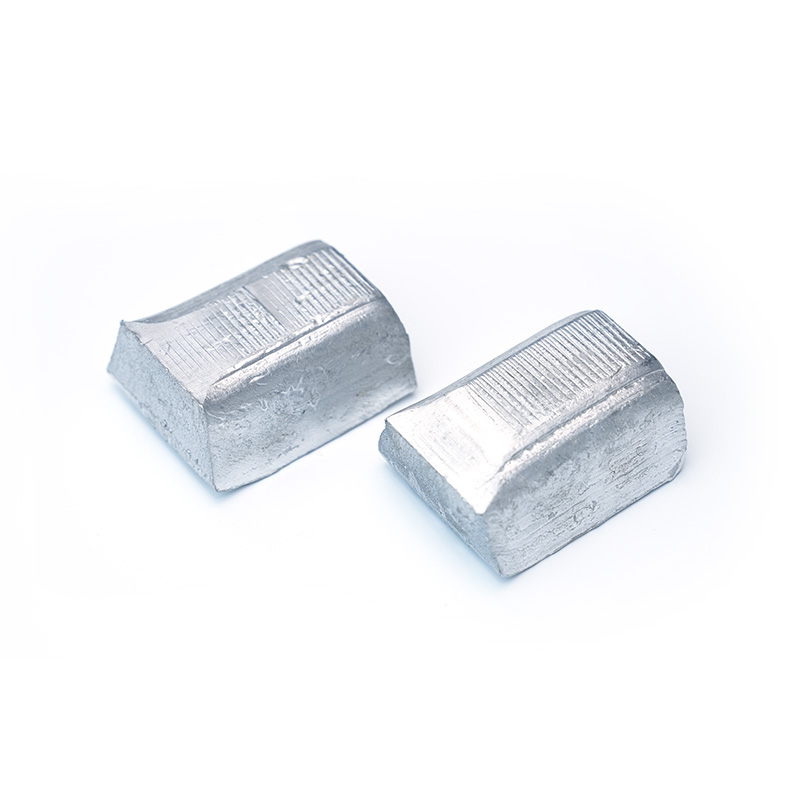 Aluminum Titanium Boron Master AlloyAluminum Titanium Boron Master Alloy is a multi-element master alloy with aluminum (Al) as the matrix and titanium (Ti) and boron (B) as composite alloying elements. A...View Product →
 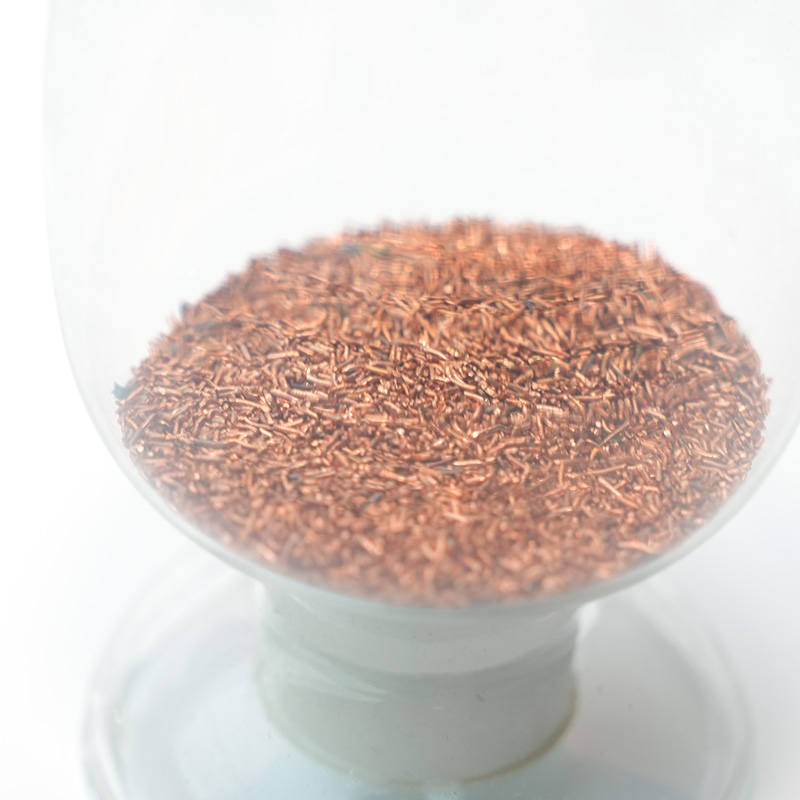 Copper Tablets for Aluminum AlloyingCopper Tablets for Aluminum Alloying are high-efficiency alloying additives specifically designed for aluminum alloy smelting processes. Represented by Cu75 and Cu80 m...View Product →
 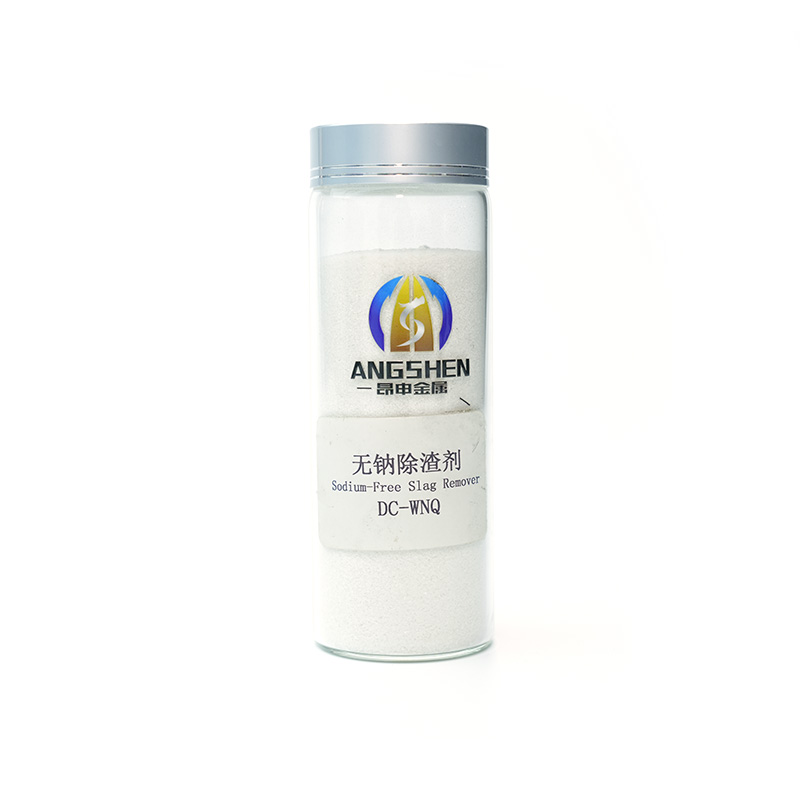 Sodium-free Refining FluxSodium-free refining agent is a treatment aid specifically designed for the purification of aluminum and aluminum alloy melts. Its core feature is that it is completel...View Product →
| Category | Typical Form | Primary Role | Key Check |
|---|---|---|---|
| Master alloys | Ingot, waffle, bar, or coil | Composition adjustment, grain refinement, modification | Element recovery, dissolution temperature, inclusion level |
| Alloying tablets | Pressed tablet or briquette | Single-element addition | Tablet density, dissolution rate, moisture control |
| Fluxes | Powder, granule, or tablet | Refining, degassing, inclusion removal, dross separation | Function, smoke, sodium content, residue behavior |
Master Alloys vs. Tablets vs. Fluxes: What to Use When
The choice is driven by the target alloy specification and the condition of the melt, not by convenience alone.
Use Master Alloys for Hard-to-Dissolve or Critical Elements
Elements such as titanium, boron, strontium, and zirconium are often added through master alloys because the pure element may melt at a much higher temperature, oxidize quickly, or dissolve too slowly. A well-made AlTiB master alloy, for example, can deliver titanium and boron in a form that nucleates fine grains throughout the melt. That grain refinement improves feeding, reduces hot tearing, and makes mechanical properties more uniform.
Use Tablets for Furnace-Side Trimming
When the spectrum analysis shows copper is 0.15% below spec, a copper tablet can be a fast correction. Tablets are also useful for manganese, iron, chromium, titanium, and zirconium additions. However, tablets are not automatically interchangeable with master alloys. A tablet that dissolves slowly can sit on the bottom of the furnace, while a tablet that reacts too quickly may burn off at the surface. Check the supplier’s recommended addition temperature and recovery rate.
Use Fluxes for Cleanliness, Not Chemistry
Fluxes address oxides, hydrogen, and non-metallic inclusions. A sodium-free refining flux, for instance, is used when sodium pickup is a concern for certain alloys or downstream heat treatments. A magnesium depletion flux removes magnesium from aluminum scrap, while a drossing flux helps separate aluminum from the dross layer. Adding more flux than recommended does not make a melt cleaner; it usually creates more residue, smoke, and disposal cost.
Composition control
Melt cleanliness
Grain refinement
Illustrative focus areas, not market data.
How to Choose Aluminum Casting Additives
Purchasing decisions should start with the alloy specification and the foundry’s process window. A low-cost additive that raises scrap rate is expensive.
- Define the metallurgical target. Is the problem chemistry, grain size, hydrogen porosity, or inclusion content? Each points to a different additive category.
- Check recovery and tolerance. Ask for typical recovery at your addition temperature, not just a certificate value. A 90% recovery assumption can push a furnace heat out of specification.
- Review the addition method. Some master alloys work best in the transfer ladle or in-line; some tablets require a clean melt surface and mechanical dispersion.
- Evaluate residue and emissions. Fluxes can generate smoke, dross, and disposal costs. Sodium-free or low-smoke options may be necessary for certain alloys and environmental controls.
- Confirm supplier consistency. Batch-to-batch variation in master alloys and tablets affects every heat. A supplier with documented manufacturing capability, such as a GJB9001C-certified plant with automated master alloy and tablet lines, reduces that variation.
- Plan storage and handling. Tablets and fluxes must stay dry. Moisture can cause steam explosions, hydrogen pickup, and porosity.
For a deeper look at matching tablets to specific melt chemistry, this aluminum alloying additive tablets selection guide is a useful reference.
Practical Addition and Melt Treatment Tips
Even the right additive can fail if it is added at the wrong temperature or without enough mixing. Use these steps as a starting point, then adjust with your supplier’s technical data.
- Preheat tools and additive packages to remove surface moisture. Never plunge wet material into molten aluminum.
- Add master alloys into a fully molten, properly superheated bath. For many aluminum alloys, the working range is approximately 730–760°C, but always follow the alloy and additive supplier’s recommendation.
- Use mechanical stirring or a clean plunger to disperse the additive. Let the melt settle before skimming.
- Add fluxes according to the recommended dose. More flux is not better; excess flux increases inclusions and disposal cost.
- After fluxing, skim the dross promptly. Leaving a thick dross layer on the melt can recontaminate the aluminum.
- Degas with argon or nitrogen when hydrogen porosity is a risk. Verify with a hydrogen measurement or reduced-pressure test.
- Record every addition: grade, weight, temperature, recovery, and final spectrum. That record is the fastest way to correct the next heat.
Common Mistakes and Risks
- Using flux as an alloying additive. Fluxes clean the melt; they do not add copper, manganese, or silicon to specification.
- Over-adding grain refiners. Too much AlTiB or similar master alloy can form agglomerates and increase inclusion content.
- Ignoring dissolution time. Undissolved tablets or master alloy pieces can appear as hard spots in machined castings.
- Skipping preheat. Cold or damp additives cause spatter, hydrogen pickup, and inconsistent recovery.
- Trusting a single certificate. Incoming chemistry is useful, but melt-side verification catches recovery problems before the pour.
FAQ
Are fluxes considered aluminum casting additives?
Yes. In foundry practice, “additives” covers master alloys, alloying tablets, and fluxes. However, fluxes are used for melt treatment rather than chemical composition.
Can I use tablets for every element?
No. Elements with high melting points, high oxidation tendency, or poor solubility are often better added as master alloys. Tablets are best for trimming and for elements with a practical pressed form.
How much additive should I add?
Start with the target composition, the supplier’s recommended recovery, and the actual melt weight. A small trial heat or a furnace-side test can prevent a full heat from going out of specification.
Do additives affect mechanical properties?
They can. Grain refinement improves strength and elongation, modification changes silicon morphology in Al-Si alloys, and melt cleaning reduces porosity and inclusion-related failures.
Aluminum casting additives are process materials, not generic consumables. The right choice depends on the alloy, the furnace, the addition temperature, and the defect you are trying to solve. Start with a clear metallurgical target, verify recovery and handling requirements, and keep batch records. That approach turns additives from a source of variability into a controlled part of the casting process.
PREV:Aluminum Melting Additives Guide: Tablets, Master Alloys, and Fluxes for Better RecoveryNEXT:Aluminum Alloying Tablets: Selection, Recovery Rates and Melt Practices
Interested in cooperation or have questions?

- Quick Link
- HOME
- PRODUCTS
- NEWS
- SOLUTION
- CONTACT US
- Contact information
-
-
wmfan0222@163.com

-
+86-13167461999

+86-18252891222(WhatsApp) -
+86-0513-88275999

-
No.19 HeshunHaian Economic Development Zone, Nantong, Jiangsu, China

-

