ANGSHEN
ANGSHEN
ANGSHEN
ANGSHEN
ANGSHEN
ANGSHEN
ANGSHEN
ANGSHEN
ANGSHEN
ANGSHEN
ANGSHEN
ANGSHEN
ANGSHEN
ANGSHEN
ANGSHEN
ANGSHEN



China Aluminum Alloying Additives Tablets: Selection Guide for Foundries
Content
- 1 Why tablets hold a practical place in Chinese aluminum alloying
- 2 Tablets vs. master alloys: what changes in the melt
- 3 The parameters that actually matter when choosing China aluminum alloying additives tablets
- 4 Procurement risks and factory checks in China
- 5 Application scenarios and a worked example
- 6 FAQ
If you need to hit a narrow manganese, titanium, or chromium range in an aluminum melt, Chinese aluminum alloying additives tablets are often the most direct tool. But they are not a commodity. Tablet density, dissolution rate, and elemental recovery vary by batch and supplier. One automotive foundry found that the same manganese tablet grade delivered recovery between 88% and 96% across heats, pushing final chemistry out of specification. Treat tablets as a process variable. When buying from China, check chemical tolerances, dissolution behavior, moisture protection, and the supplier's certification and consistency record. This guide explains how tablets compare with master alloys and what to verify before you commit to a purchase order.
Why tablets hold a practical place in Chinese aluminum alloying
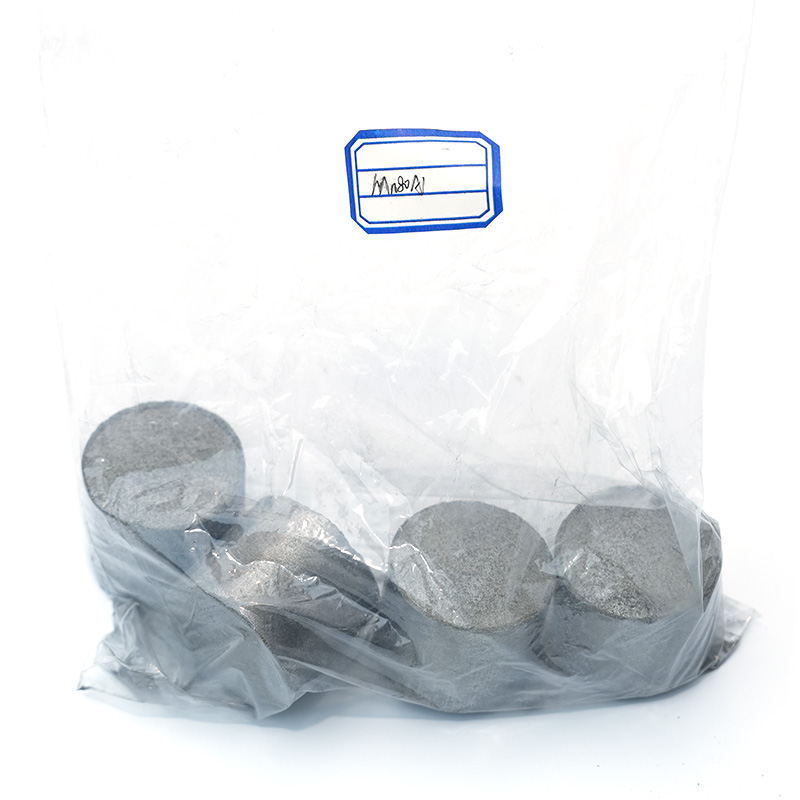 Manganese Tablets for Precise Aluminum Alloying and Composition ControlFor tight manganese adjustment in aluminum melts, these compacted tablets offer ≥90% recovery and rapid dissolution, reducing holding time versus master alloys.View Product →
Chinese aluminum alloying additives tablets are widely used because they let a melt shop adjust composition in small, precise increments without committing to a full master alloy addition. A master alloy such as aluminum-manganese usually requires higher addition temperature, longer dissolution time, and a larger minimum order quantity. A tablet can be weighed per heat and dropped directly into the melt. Its pressed density controls whether it sinks and dissolves or floats and oxidizes. For manganese adjustment, a tablet can dissolve faster than a comparable Al-Mn master alloy, cutting holding time and energy use.
The practical effect is flexibility. For alloys such as A356 or 6061, where magnesium, silicon, titanium, and strontium need fine correction, tablets allow the furnace operator to trim chemistry without re-melting a large master alloy batch. The catch is that performance depends on uniform powder mixing and firm pressing. A tablet that is too light will float and oxidize; one that is too dense may sink and sit undissolved. That is why the best Chinese suppliers publish density and dissolution guidance alongside chemistry. You can review a broader range of aluminum alloying additives tablets to see how the product family is organized by element.
Tablets vs. master alloys: what changes in the melt
The choice is not about which one is better in every case. It is about matching the addition method to the furnace, alloy, and production volume. The table below summarizes the differences that matter on the shop floor.
| Aspect | Alloying tablets | Master alloys |
|---|---|---|
| Addition flexibility | High; can be weighed per heat in small increments | Lower; often supplied in fixed ingot or waffle form |
| Dissolution behavior | Depends on pressed density and particle size; typically faster for minor adjustments | Requires sufficient superheat and stirring; slower for some elements |
| Composition precision | Good when tablet weight and recovery are controlled | Very good for bulk additions; less convenient for fine trimming |
| Packaging and storage | Moisture-sensitive; needs sealed packaging and dry storage | Less sensitive but heavier and bulkier |
| Typical application | Final chemistry correction, small heats, specialty alloys | Primary alloying, large heats, high-volume production |
| Cost structure | Higher cost per unit of element, lower inventory burden | Lower cost per unit of element, higher minimum order quantity |
In practice, many Chinese foundries use both. A primary master alloy sets the base composition, and tablets correct the final chemistry before casting. If your furnace runs small batches of high-value parts, tablets reduce the risk of overshooting an element. If you produce thousands of tonnes of a standard alloy, master alloys may still be more economical. Calculate recovery and cost per kilogram of element recovered, not cost per kilogram of tablet.
The parameters that actually matter when choosing China aluminum alloying additives tablets
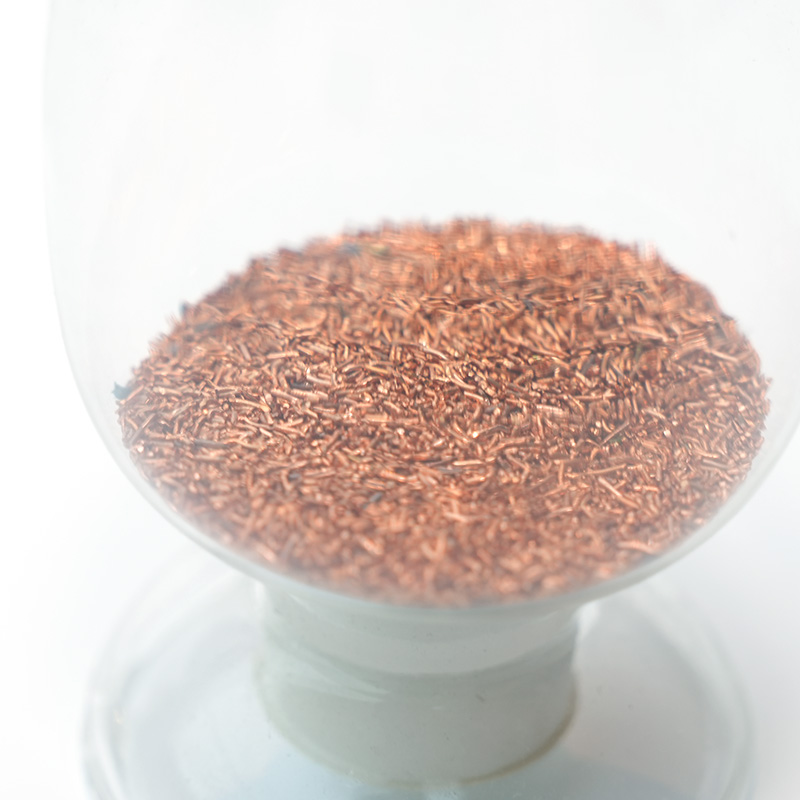 Copper Tablets Cu75 Cu80 for Aluminum Alloy Composition ControlFor precise copper adjustment in 2-, 6-, and 7-series aluminum alloys, these rapidly dissolving tablets deliver over 90% recovery and support flexible batching.View Product →
When you compare suppliers, move past headline element content and check the variables that change melt results.
Chemical composition and tolerances
Ask for a certificate of analysis that states the element range, not just a nominal value. A copper tablet might be specified as 75% Cu minimum with a maximum of 85% Cu, or as a narrower 78-82% range. Narrower tolerances cost more but reduce trial-and-error addition. Confirm impurity limits such as iron, silicon, and moisture.
Density and particle size
Tablet density is usually expressed in grams per cubic centimeter. For aluminum melts, 2.7 to 3.2 g/cm3 often works well because it lets the tablet sink through the oxide layer but dissolve before reaching the bottom. Finer raw powders dissolve faster but can create dust and oxidation during pressing. Automated pressing holds density more consistently than manual work.
Dissolution and recovery
Recovery is the percentage of added element that ends up in the melt. Manganese tablets might recover 90-96% in a well-stirred furnace; titanium can be 85-93% depending on temperature and holding time. Ask for recovery data by alloy family, not a single generic number. You can also read a practical guide on which aluminum alloying additives tablets are right for your melt for detailed selection criteria.
Packaging and moisture control
Tablets are hygroscopic to varying degrees. Moisture pickup can cause hydrogen porosity, spatter, and inconsistent recovery. Good Chinese suppliers use sealed plastic bags, foil-lined bags, or vacuum packaging, and they state a shelf life. Check that packaging stays intact after sea freight and that desiccant is included where needed.
Procurement risks and factory checks in China
Price per kilogram is a poor primary metric. The real risk is batch-to-batch variation. Before a large order, request three consecutive production samples and test them in your own furnace. Measure recovery, dissolution time, and dross formation. If the recovery range is wider than your alloy specification allows, you need a tighter tolerance or a different supplier.
Quality consistency
Look for in-house chemical analysis and density testing on every batch. A useful check is a trend chart of recovery data over multiple shipments. If the supplier only offers a single lab report, that is a warning sign. Consistency also depends on raw material sourcing; changing metal powder vendors without requalification introduces variability.
Certification and process control
For defense, aerospace, and high-reliability automotive work, certification matters. A supplier certified to GJB9001C has passed audits covering traceability, process control, and corrective action. That does not guarantee perfect tablets, but it raises the floor. Automated tableting lines also improve repeatability.
Capacity and lead time
China has many small tablet workshops and a smaller number of integrated manufacturers. A factory with a large standardized production base, automated tableting lines, and separate lines for master alloys and fluxes can support both large orders and small custom batches. Ask about lead time for a trial order and for a full container. If trial production cannot be separated from mass production, your first order may be unrepresentative.
Application scenarios and a worked example
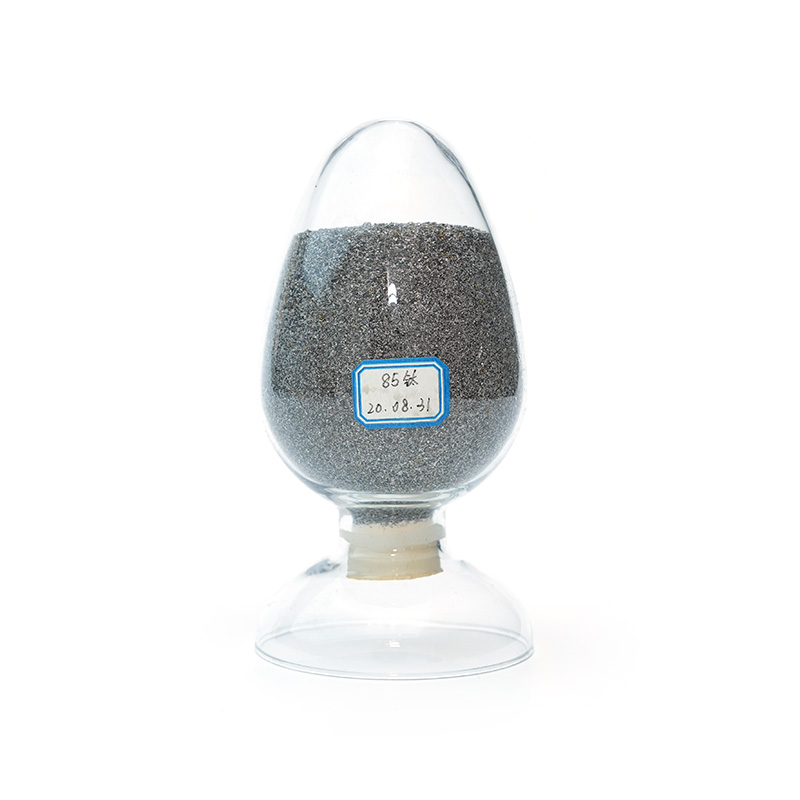 Titanium Tablets Ti75 Ti80 for Aluminum Grain Refining and AlloyingFor titanium adjustment in cast, wrought, and aerospace aluminum alloys, these tablets offer ≥90% recovery, rapid uniform dissolution, and support precise composition correction.View Product →
Chinese aluminum alloying additives tablets appear across automotive lightweighting, high-speed rail, aerospace, shipbuilding, power electronics, pharmaceutical packaging, and industrial machinery. The common thread is introducing or correcting an element without adding excessive weight or process time. In automotive lightweighting, tablets help adjust titanium and strontium in aluminum castings that replace steel components. In high-speed rail and aerospace, they support tight chemistry windows for safety-critical parts.
Consider a wheel casting shop that needed to raise titanium from 0.08% to 0.12% in a 500 kg heat. With an aluminum-titanium master alloy, dissolution took about nine minutes and recovery averaged 88%. Switching to titanium tablets cut dissolution to roughly four minutes and raised recovery to 92%, with less dross. The shop saved about 11 minutes per heat in holding time, reducing energy use and improving furnace utilization. The same logic applies to manganese, chromium, and copper adjustments, though recovery values differ by element.
FAQ
Do aluminum alloying tablets work in induction furnaces?
Yes, if tablet density is matched to melt depth and stirring. Induction stirring helps dissolution, but tablets that are too light may still float. Start with the supplier-recommended density and adjust addition practice after recovery trials.
How do I calculate the addition weight?
Use the target element increase, heat weight, and expected recovery. To add 0.05% manganese to 1,000 kg of aluminum with 94% recovery, you need about 0.53 kg of manganese, or roughly 0.7 kg of a 75% Mn tablet. Confirm actual content and recovery with a small trial.
What is a typical recovery for Chinese tablets?
Recovery varies by element and melt conditions. Manganese and copper often fall in the 90-96% range in well-stirred furnaces. Titanium and chromium can be lower, around 85-93%, because they form oxides more readily. The supplier should provide data for your alloy and furnace.
Are Chinese tablets consistent with European or American brands?
Consistency depends on the supplier, not the country. Some Chinese manufacturers export to global foundries and hold tight tolerances; others sell lower-grade tablets for non-critical applications. Ask for batch records, certification, and trial samples. Compare recovery and dissolution, not brand origin.
Chinese aluminum alloying additives tablets can be a precise, flexible way to control melt chemistry, especially for final adjustments and small-to-medium heats. The decision rests on data: chemical tolerance, density, dissolution time, recovery, packaging, and the supplier's quality system. Test three consecutive batches in your own furnace before scaling up, and calculate cost per kilogram of element recovered rather than cost per kilogram of tablet. With that approach, you can capture the flexibility of tablets without inheriting unnecessary melt variability.
PREV:No previous articleNEXT:Aluminum Melting Additives Guide: Tablets, Master Alloys, and Fluxes for Better Recovery
Interested in cooperation or have questions?

- Quick Link
- HOME
- PRODUCTS
- NEWS
- SOLUTION
- CONTACT US
- Contact information
-
-
wmfan0222@163.com

-
+86-13167461999

+86-18252891222(WhatsApp) -
+86-0513-88275999

-
No.19 HeshunHaian Economic Development Zone, Nantong, Jiangsu, China

-

